
Last updated September 10, 2026
Level 1 sweep and inspection to the NFPA 211 annual standard - flue, crown, cap, and flashing checked and photographed
Chimney sweep logs do not sweep chimneys. They loosen some creosote - which then falls where a brush and vacuum still have to collect it.
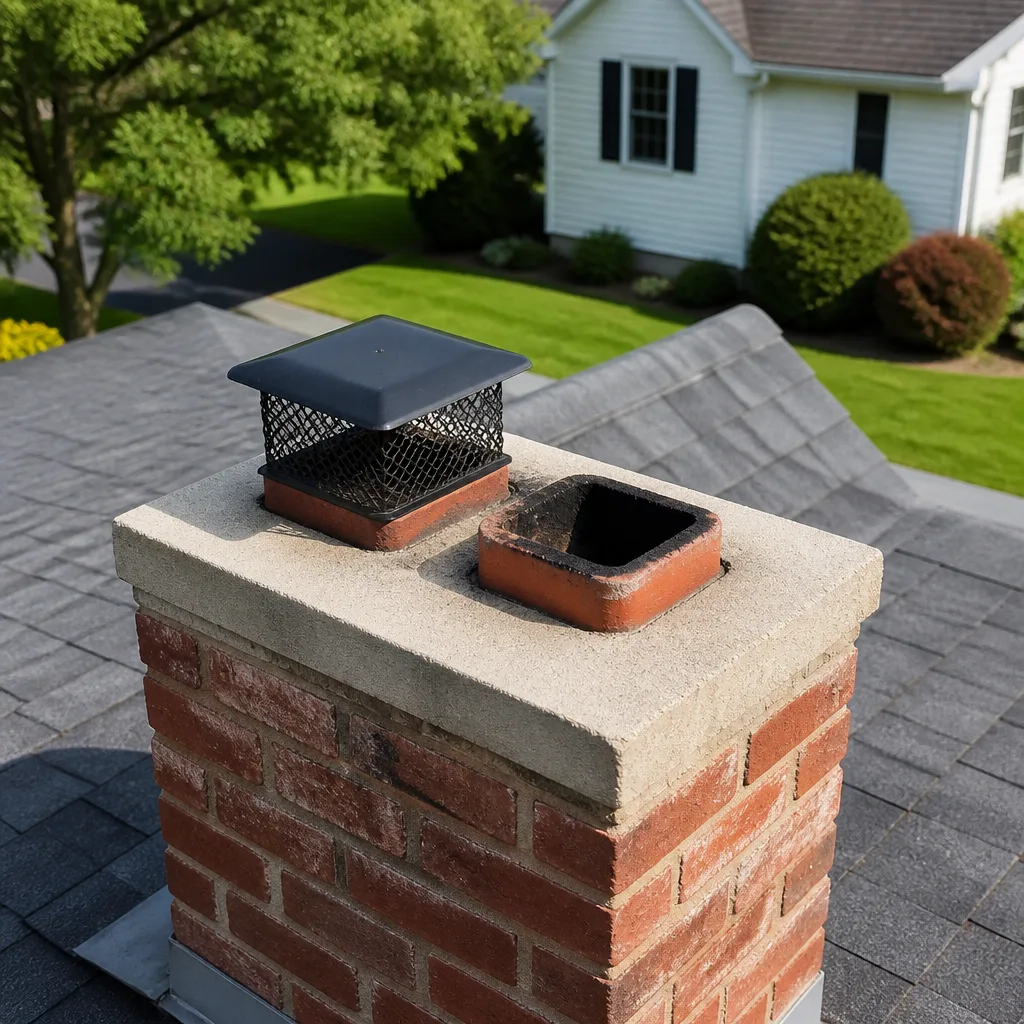
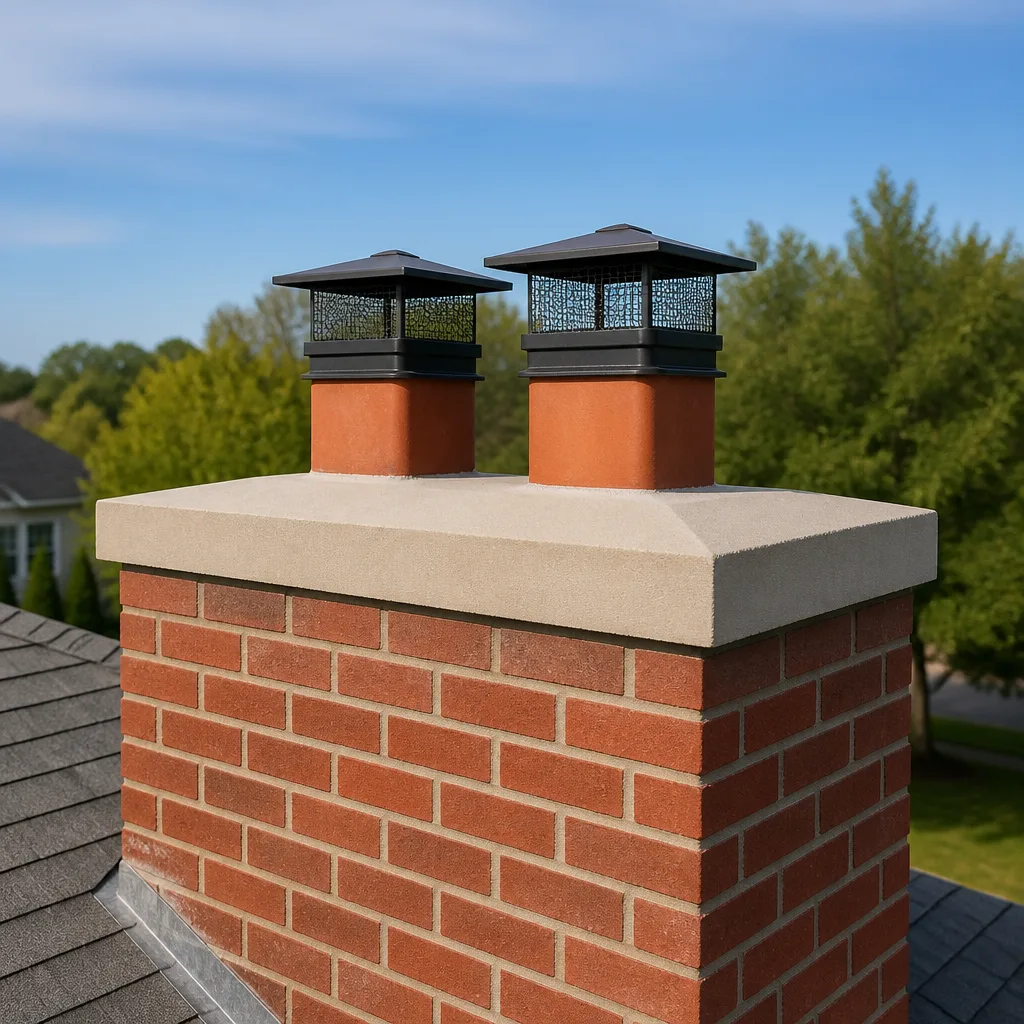
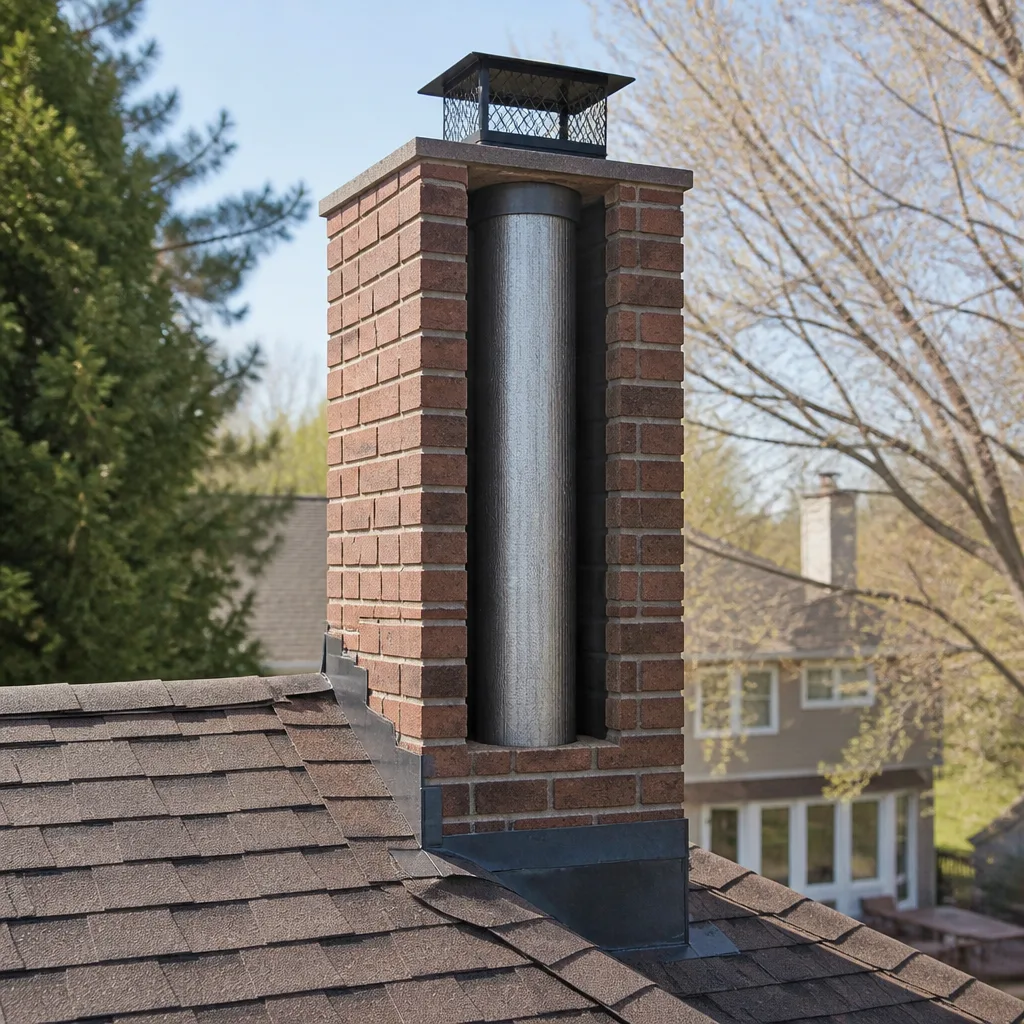
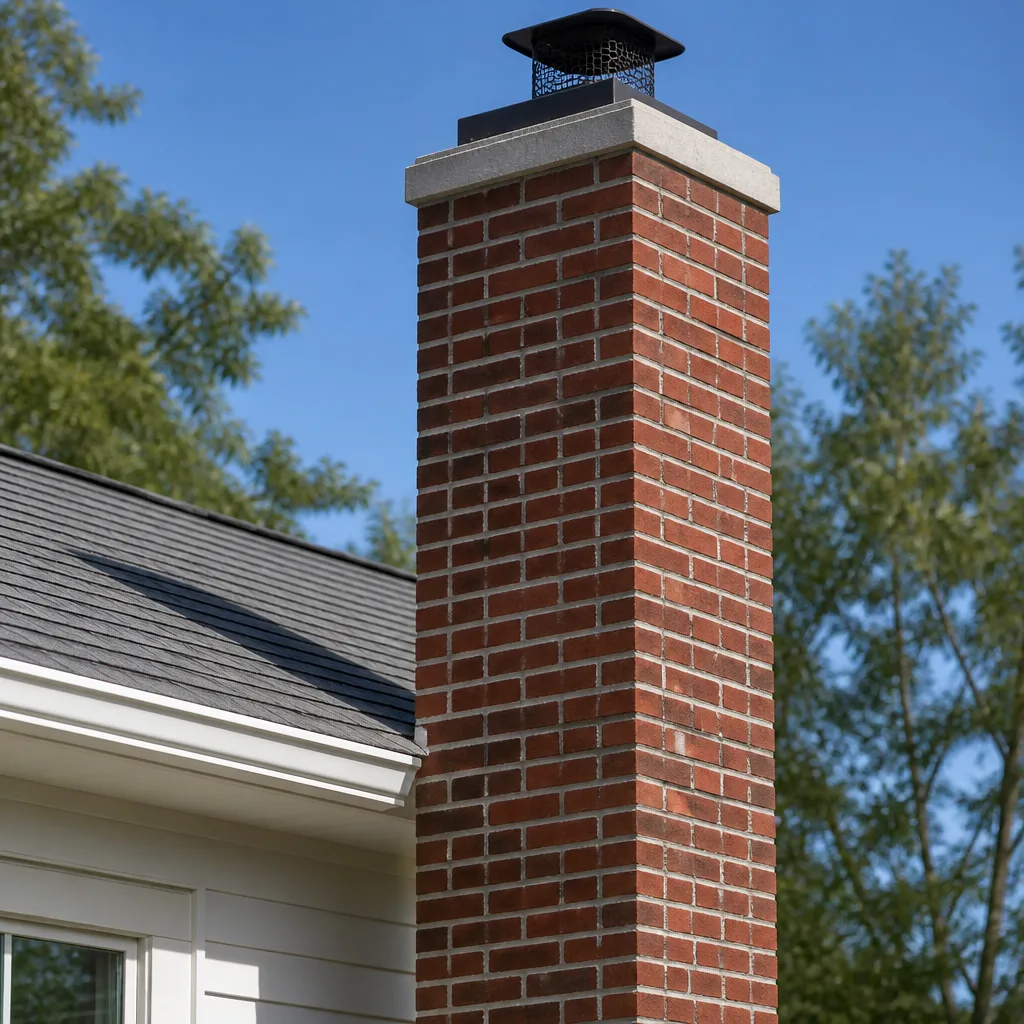
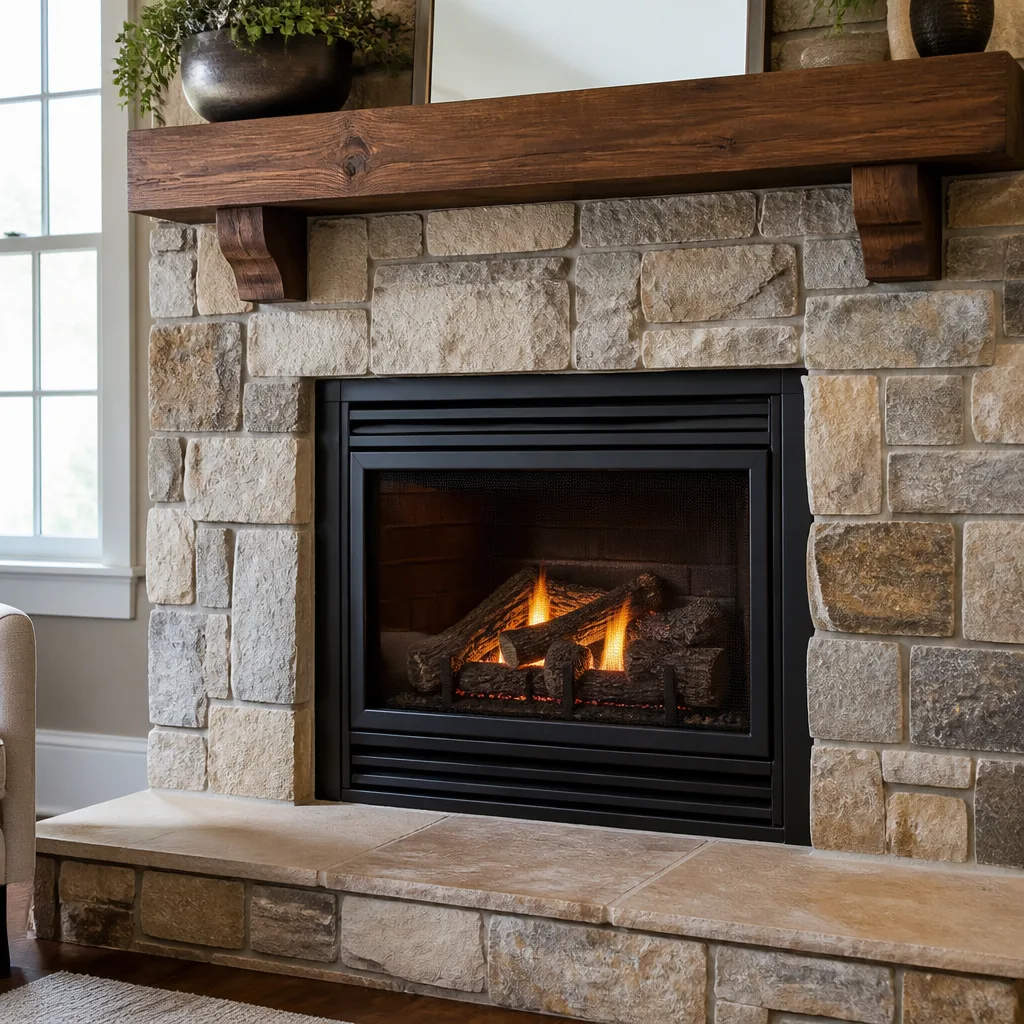
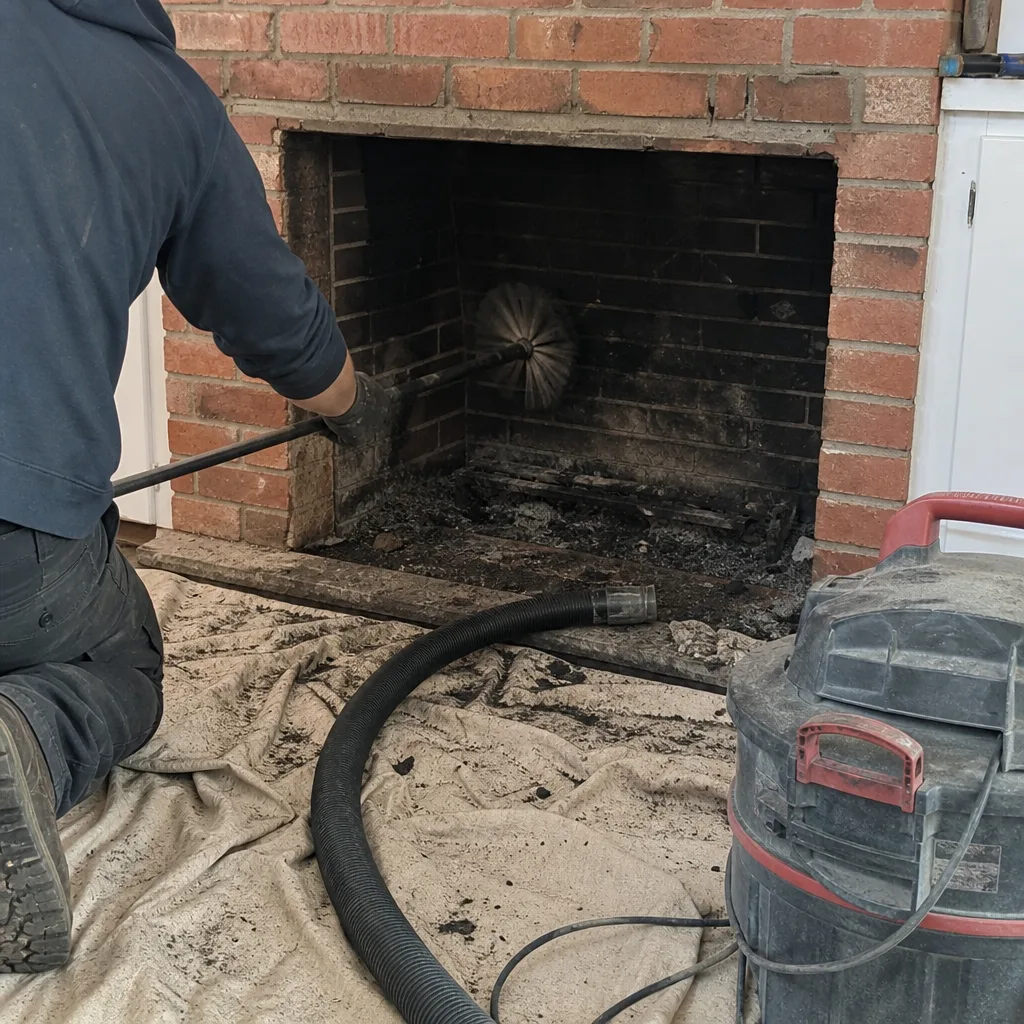 Before
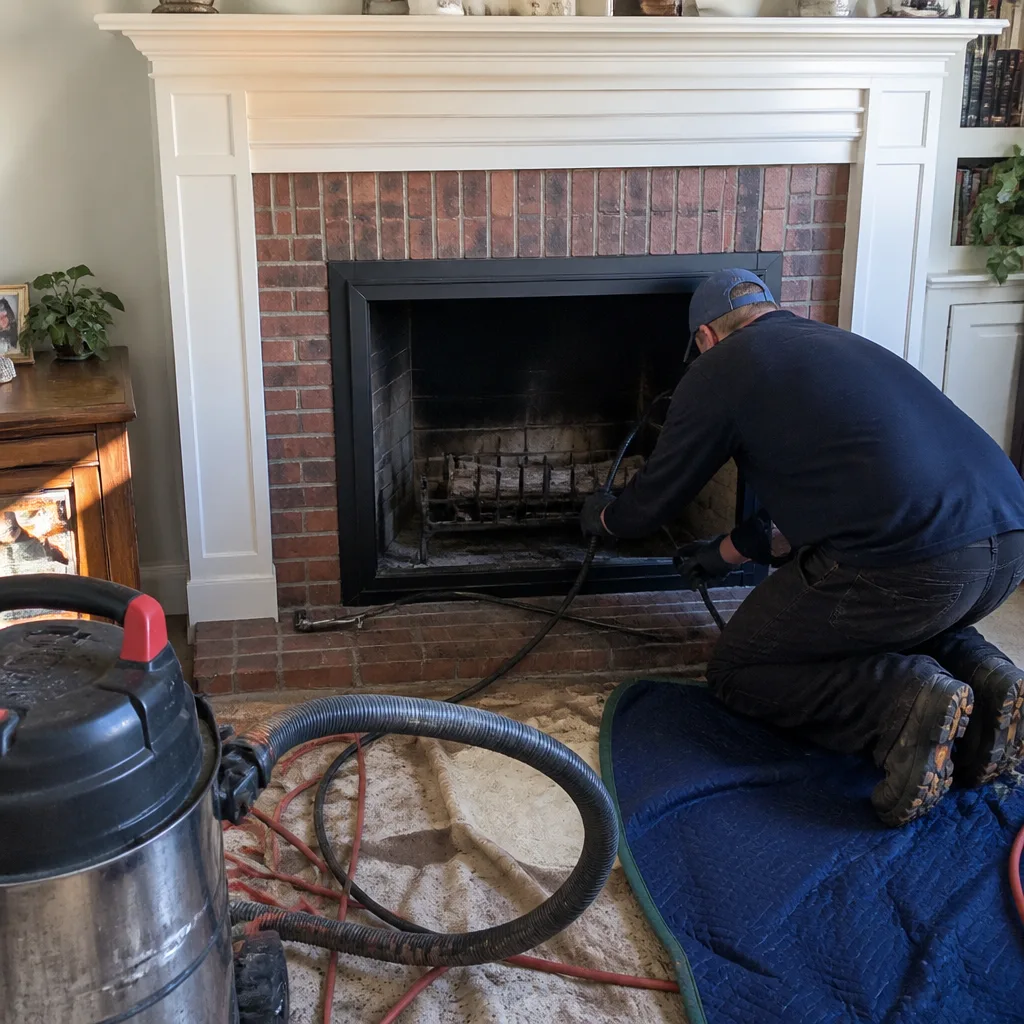 After
After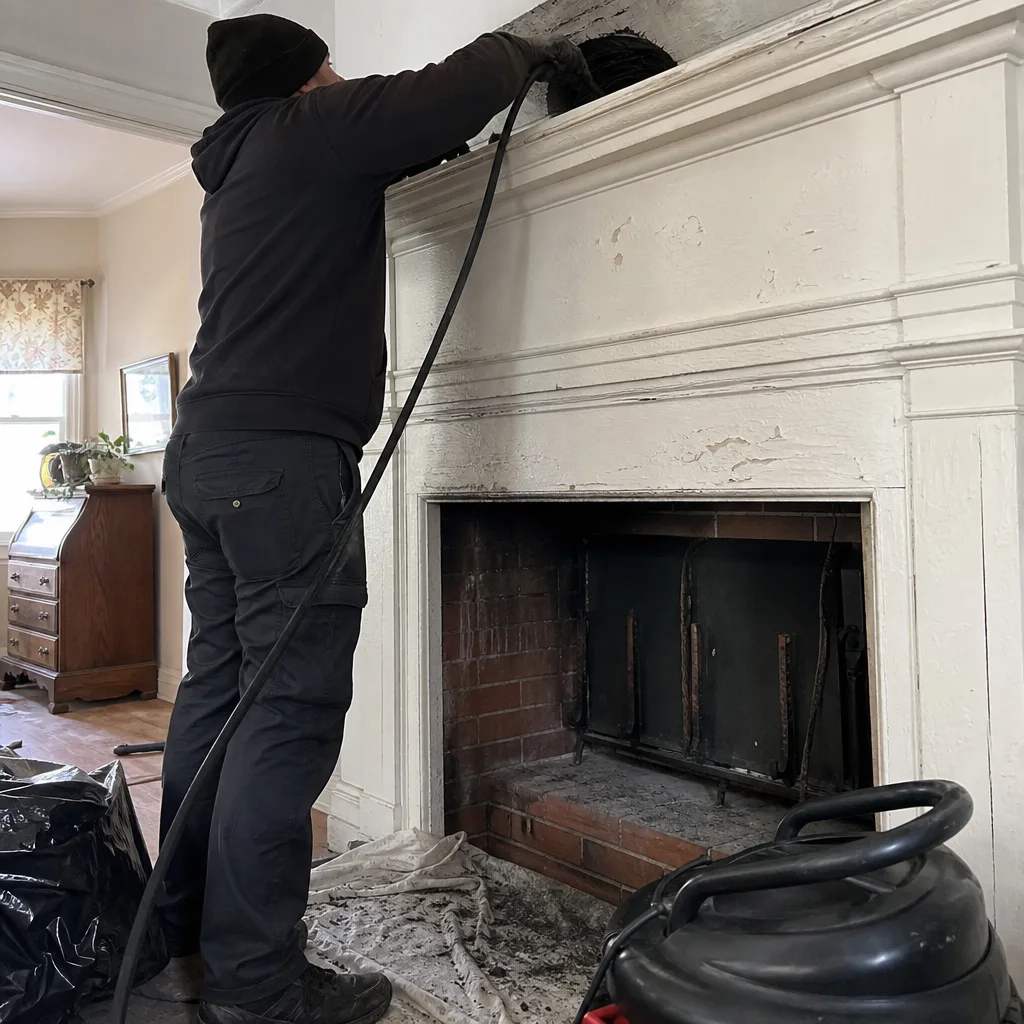 Before
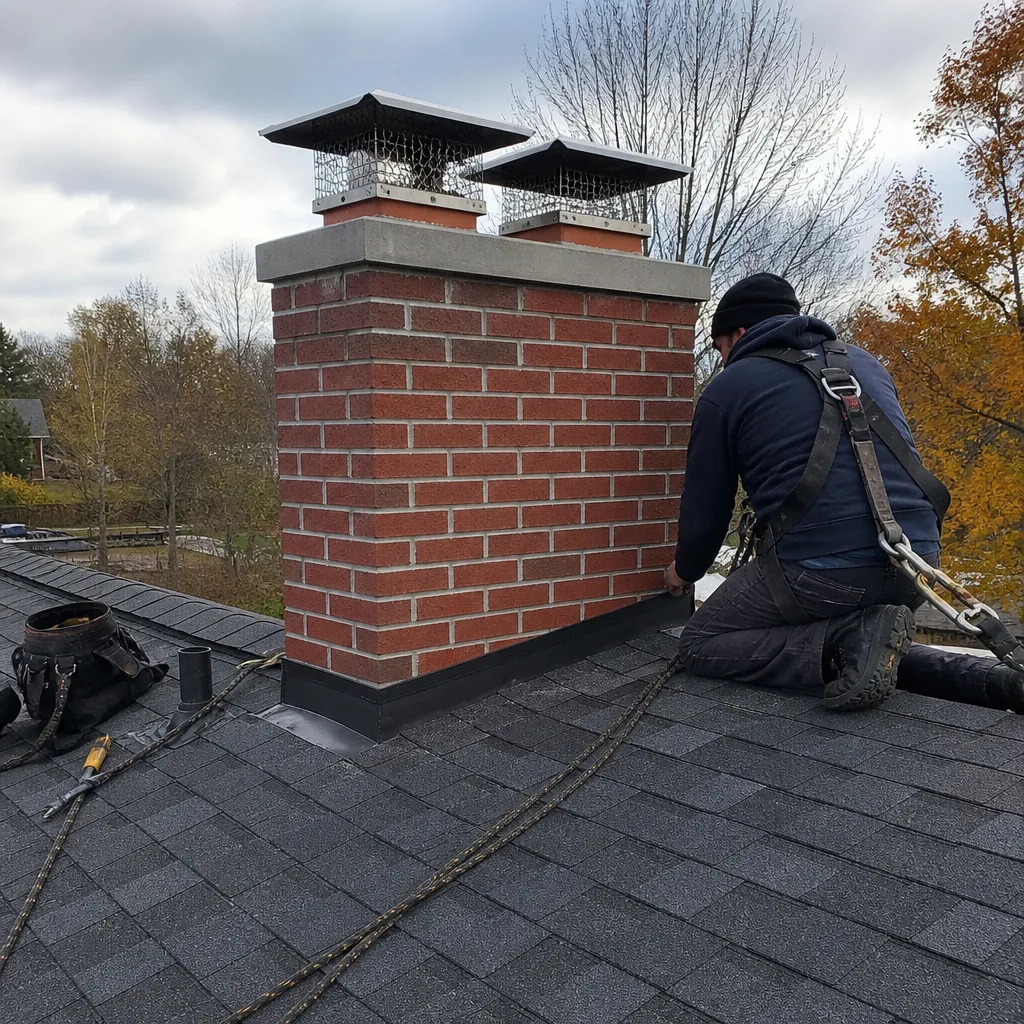 After
After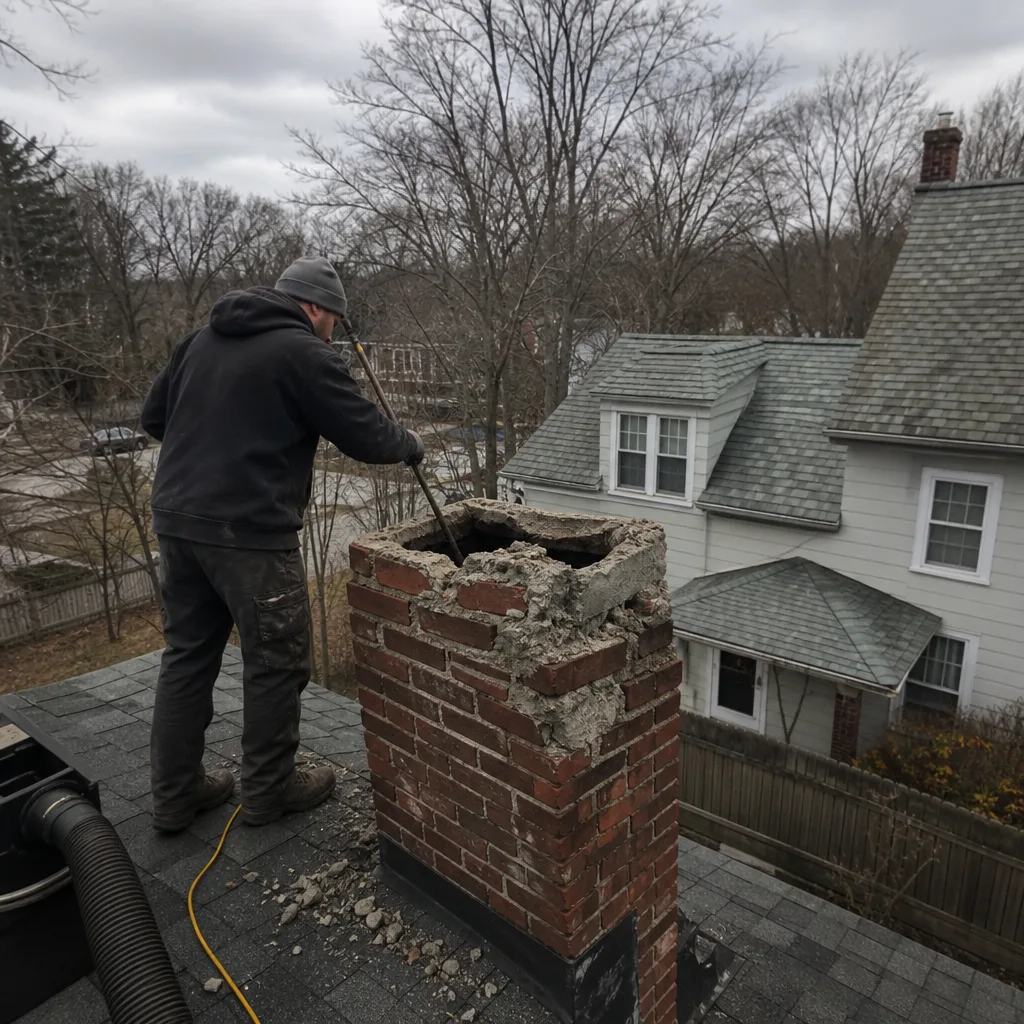 Before
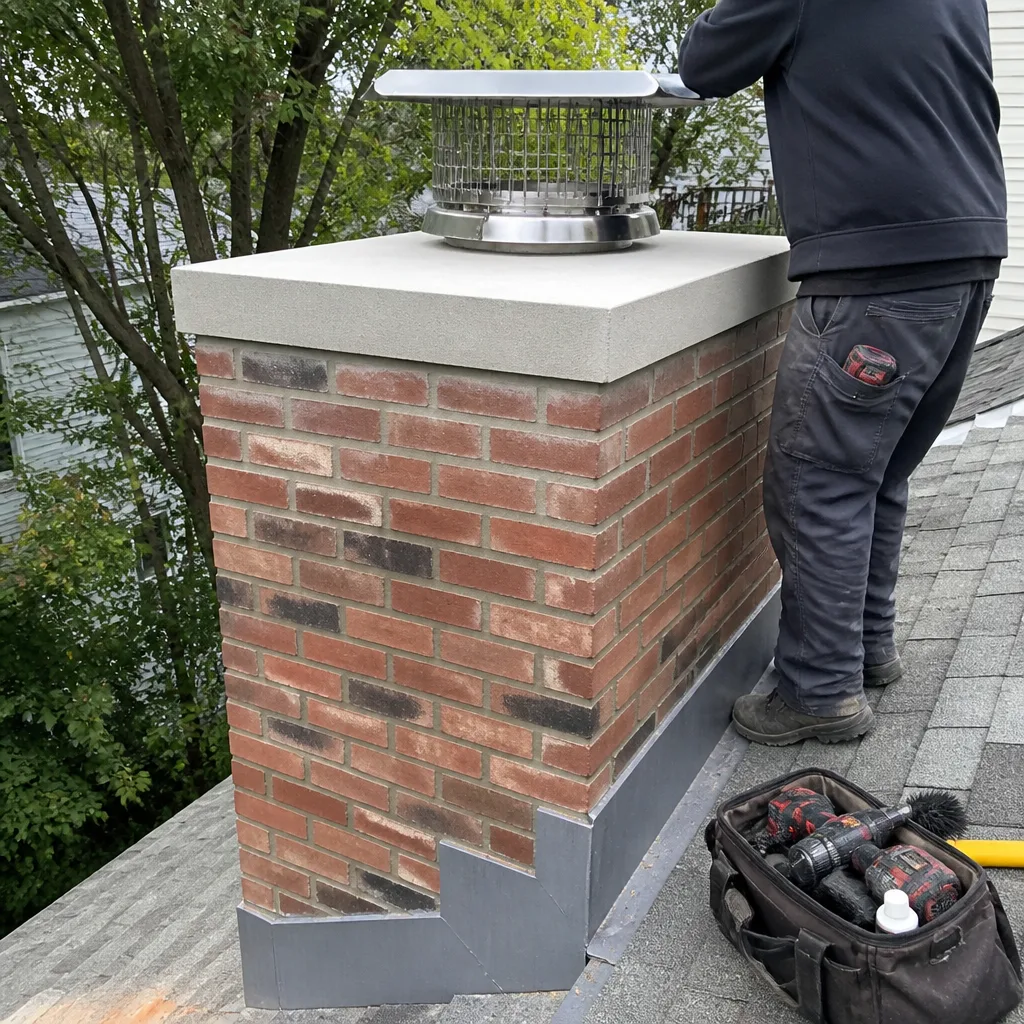 After
AfterChimney Cleaning Warning Signs: A Newton Homeowner’s Reference Guide
A chimney that smells like a campfire on a humid August day and a chimney that smells like tar on a cold January morning are telling you two completely different things. Treating them as variations of the same “odor problem” is how minor issues become expensive ones. In Newton, where homes range from 1920s Colonials in Waban to mid-century splits in Oak Hill, we’ve seen the same pattern for over 42 years: the homeowners who learn to read their chimney’s specific warning signs catch problems early, while those who wait for “something serious” often end up facing liner replacements or masonry rebuilds they could have avoided. For The Complete Guide to Chimney Cleaning in Newton and more guides & resources, see our blog.
Quick Answer
The most important chimney warning signs for Newton homeowners are: persistent odors that change character by season, visible soot or staining in specific locations inside or outside the home, smoke that behaves differently under different weather conditions, and exterior masonry deterioration visible from the ground. Each sign points to a distinct problem with its own urgency level. A Level-2 camera inspection is the only way to confirm the cause and determine whether the fix is a routine sweep, a repair, or something that needs immediate attention before the next fire.
Table of Contents
- Odor as a Diagnostic Tool: What Your Chimney Smells Like and Why It Matters
- Visible Soot and Staining: Location Tells the Story
- Smoke Behavior: Draft Problems, Blockages, and Liner Failures
- Sound Indicators Newton Homeowners Report but Rarely Connect to Chimneys
- Exterior Signs Visible from Your Newton Driveway
- Common Mistakes to Avoid
- When to Call a Professional
- Frequently Asked Questions
Odor as a Diagnostic Tool: What Your Chimney Smells Like and Why It Matters
Most Newton homeowners describe chimney odor in vague terms: “it smells like smoke” or “there’s a musty smell.” But the specific character of the smell, and when it appears, is one of the most reliable diagnostic tools we have. In our experience across Newton’s neighborhoods, from the tighter lots of Nonantum to the larger properties near Crystal Lake, odor complaints follow three distinct patterns.
Wood-smoke smell on humid summer days. This is the most common call we get in July and August. The cause is almost always a draft issue, not a dirty chimney. When outdoor humidity rises and the temperature differential between inside and outside disappears, the chimney loses its natural updraft. Air sinks down the flue, bringing last season’s smoke residue with it. The chimney may be perfectly clean. The fix is typically a top-sealing damper or improved air supply, not a sweep. Urgency: moderate. It’s uncomfortable, but not hazardous.
Tar or asphalt smell, especially when the fireplace is in use or shortly after. This is different, and more serious. That smell is Stage 2 or Stage 3 creosote, a concentrated, hardened byproduct of incomplete combustion that has built up over multiple seasons. It’s flammable. In Newton’s older homes with original masonry fireplaces, we often find this behind dampers that haven’t been opened fully, or in flues that were never properly sized for the fireplace opening. The NFPA 211 standard, which governs chimney work in Massachusetts, requires removal when glaze creosote exceeds 1/8 inch. Urgency: high. This condition is the leading cause of chimney fires.
Sulfur or rotten-egg smell, particularly in oil-heated homes. This points to oil residue buildup or, more concerning, deterioration of a stainless steel or terracotta liner. Sulfur compounds in heating oil combine with moisture to form sulfuric acid, which attacks liner materials. In Newton’s Chestnut Hill and Newton Centre areas, where many homes converted from coal to oil in the 1950s and 1960s, we see original liners that have reached end of life. The smell often appears first in the basement near the cleanout door. Urgency: high, and it requires a camera inspection to assess liner integrity. A compromised liner can allow carbon monoxide into living spaces.
Here’s how to use odor as a diagnostic tool:
- Note the season and weather conditions when the smell appears
- Identify the specific character: woody, tarry, or sulfurous
- Check whether the smell is stronger at the fireplace, in the basement, or on upper floors
- Call for a Level-2 inspection if the smell is tar-like or sulfurous, or if wood-smoke odor persists after a sweep
Our Chimney Cleaning & Sweep in Newton service includes odor-source identification, not just debris removal.
Visible Soot and Staining: Location Tells the Story
Where soot appears is as important as that it appears. We’ve cleaned chimneys in Newton homes where homeowners lived with “a little black around the fireplace” for years, not realizing the location pointed to a specific, fixable problem.
Staining above the damper, on the smoke shelf. This is normal to a degree, but thick, fluffy deposits indicate the fire is being choked. The damper may be partially closed, or the firewood may be too green or too large. In Newton, where many homeowners burn wood from fallen trees on their own property, moisture content is often the culprit. Seasoned wood should read below 20% on a moisture meter. The smoke shelf is designed to catch stray sparks and debris, not to accumulate inches of soot. If you can see heavy staining when you look up past the damper, the flue needs sweeping and the burning practice needs correction.
Staining around the firebox opening, on the fireplace face or hearth. This is not normal. It means smoke is escaping the firebox into the room, and the cause is usually one of three things: a blocked flue, an undersized flue for the fireplace opening, or negative air pressure in the house. Newton’s tighter, energy-efficient homes are particularly prone to the last issue. Modern weatherstripping, exhaust fans, and HVAC systems can create enough negative pressure to overcome the chimney’s natural draft. The staining is cosmetic evidence of a performance problem.
Staining on the exterior chimney breast, inside the house. This is the sign most often missed. If you see discoloration on the wall or ceiling near where the chimney passes through the house, it means moisture, and possibly combustion gases, are migrating through the masonry. The cause is typically deteriorated mortar joints in the chimney’s interior wythe, or a missing or damaged chimney liner. In Newton’s freeze-thaw climate, this condition accelerates quickly. What starts as a faint shadow can become spalling brick and water damage within two or three winters.
Soot in unusual places: utility rooms, bedrooms, upper floors. This is urgent. It indicates a breach in the chimney system, possibly a cracked flue tile or disconnected liner segment, that is allowing combustion byproducts into the house. Carbon monoxide is odorless and colorless; visible soot means the breach is significant. Evacuate and call for emergency inspection.
Our Chimney Repair in Newton service addresses the structural causes of staining, not just the cosmetic cleanup.
Smoke Behavior: Draft Problems, Blockages, and Liner Failures
Smoke should rise. When it doesn’t, the specific way it misbehaves tells us what to look for. Newton homeowners often describe smoke problems in frustrating terms: “sometimes it works fine, sometimes it fills the room.” The variability is itself a clue.
Smoke rolls out when first starting the fire, then draws properly once established. This is classic cold-flue syndrome, exaggerated in Newton’s older homes with exterior chimneys on north-facing walls. The air column in the flue is cold and heavy; it resists the initial buoyancy of warm smoke. The standard fix is a newspaper torch or commercial fire starter to pre-warm the flue, but persistent problems may indicate a flue that is too large for the fireplace, or a chimney too short for good draft. The Massachusetts building code requires chimneys to extend at least 3 feet above the roof penetration and 2 feet above any part of the building within 10 feet. We’ve measured chimneys in Newton’s village neighborhoods that fall short of this standard due to past additions or re-roofing.
Smoke rolls out consistently, regardless of fire stage or weather. This indicates a blockage or severe restriction. Possible causes: bird or squirrel nest (common in spring in Newton’s tree-heavy neighborhoods), collapsed flue tile, or significant creosote buildup. A Level-2 camera inspection is the only way to distinguish these without disassembly. Do not continue using the fireplace. A blocked flue can force carbon monoxide into the house even when the fire appears to be drafting.
Smoke draws poorly on windy days, or when specific doors in the house are opened or closed. This is a pressure-balance issue. The chimney is competing with other air paths in the house. In Newton’s multi-level Colonials and Victorians, we’ve traced this to basement sump pumps, radon mitigation systems, or range hoods that create negative pressure on lower floors. The chimney becomes the path of least resistance for makeup air. Solutions range from adding combustion air supply to adjusting HVAC balancing, not modifying the chimney itself.
Smoke draws poorly when it never did before, in a house you’ve owned for years. This is the most concerning pattern. Something has changed structurally: a liner has cracked or shifted, mortar has fallen and created an obstruction, or the chimney has settled and developed a lean that affects draft. In Newton, where many homes sit on clay soils that expand and contract with moisture, we’ve seen chimneys shift enough to crack flue tiles without visible exterior damage. The change in smoke behavior is the first warning.
Here’s a decision framework for smoke problems:
- If smoke clears after the first 5-10 minutes: pre-warm the flue, check wood moisture, consider a top-sealing damper
- If smoke is persistent but variable with weather or house conditions: pressure-balance investigation needed
- If smoke is persistent and worsening: stop using the fireplace, schedule camera inspection for blockage or liner failure
- If smoke behavior changed suddenly after years of good performance: structural inspection urgent, possible liner or masonry failure
Sound Indicators Newton Homeowners Report but Rarely Connect to Chimneys
Chimneys are mostly silent. When they make noise, it’s worth attention. The sounds we get called about in Newton tend to cluster in three categories, and homeowners almost always misattribute them at first.
Ticking or clicking, especially at night or early morning, often from the wall or ceiling near the chimney. This is thermal expansion and contraction of metal components: the damper, a stainless steel liner, or metal chimney cap. In itself, it’s not dangerous. But it tells us the metal is cycling through temperature extremes, which accelerates fatigue. In Newton’s climate, where winter nights regularly drop below 20°F and daytime sun can warm a dark chimney cap to 60°F or more, this cycling is significant. If the ticking is new, it may indicate a liner that has come loose from its support or a cap that has shifted and is stressing its fasteners. Gelco and Famco caps we install include expansion-compatible fastening systems for this reason.
Dripping, during or after rain, apparently from inside the chimney. This is never normal. Water entering the flue means the crown, cap, or flashing has failed. In Newton, where we average 48 inches of precipitation annually and get freeze-thaw cycles from November through March, water intrusion destroys chimneys quickly. The drip you hear is the warning before the damage you see. A dripping chimney in winter is particularly dangerous: water freezes, expands, and cracks flue tiles or dislodges liner segments. By spring, what was a $400 cap replacement becomes a $3,000 liner job. We’ve documented this progression repeatedly in Newton inspections.
Scrabbling, chirping, or thumping, especially in spring and fall. Animals. Squirrels, raccoons, and chimney swifts are the usual suspects in Newton. A squirrel can fall down an uncapped flue and become trapped; raccoons will actively den on smoke shelves; chimney swifts are federally protected and cannot be disturbed during nesting season (May through August). The sound is your cue to act before nesting begins or before a trapped animal dies and creates an odor and insect problem. A properly installed chimney cap with appropriate mesh, like those from Olympia Chimney, prevents this entirely.
A low rumbling or roaring during a fire, unlike normal fire sounds. This is the sound of a chimney fire: creosote igniting in the flue. It may be accompanied by sparks or dense smoke at the top of the chimney. If you hear this, call the fire department first, then call us. Even a “small” chimney fire can crack flue tiles or warp metal liners, creating paths for future fires or carbon monoxide. Do not assume it “burned itself out” safely.
Our Fireplace Services in Newton include damper adjustment, cap installation, and animal removal with humane protocols.
Exterior Signs Visible from Your Newton Driveway
You don’t need a ladder to spot serious chimney problems. From the ground, with binoculars or even careful observation, several signs tell you what’s happening inside the masonry.
Spalling brick: the face of the brick flakes or pops off, leaving a rough, layered surface. This is freeze-thaw damage. Brick is porous; it absorbs water. When that water freezes, it expands with enough force to fracture the brick face. In Newton, where road salt spray from Route 9 and the Mass Pike affects homes in the eastern neighborhoods, and where mature tree cover keeps some chimneys shaded and damp, spalling is common on chimneys more than 50 years old. Urgency: moderate to high. Spalling reduces the chimney’s structural integrity and accelerates water intrusion. Individual bricks can be replaced, but widespread spalling may indicate the need for partial rebuild.
White efflorescence: a powdery white deposit on the brick surface. This is salt crystallization from water moving through the masonry, dissolving minerals, and depositing them at the surface as it evaporates. It’s often mistaken for “just aging.” In fact, it proves water is moving through the chimney structure, carrying dissolved salts from mortar and brick. The water is the problem; the white deposit is the symptom. In Newton’s older homes with lime-based mortar, this process is accelerated. Urgency: moderate. The chimney is not immediately failing, but the water movement that causes efflorescence also causes mortar joint deterioration and, eventually, interior damage.
Mortar shadow lines: dark streaks following mortar joints down the chimney face. This indicates the mortar has eroded below the brick face, creating channels that collect dirt and water. It’s the precursor to loose bricks and open joints. In Newton, where many chimneys were built with softer, lime-rich mortar that erodes faster than modern Portland cement mixes, we’ve seen shadow lines progress to finger-width gaps within five years of first appearance. Urgency: moderate to high. Repointing is the standard repair, but it must be done with mortar compatible with the original, or the harder new mortar will accelerate damage to the surrounding brick.
Missing or damaged chimney cap; visible rust stains on the crown or brick below. The cap is the chimney’s most cost-effective protection. Its absence is visible from the ground, and its consequences are predictable. Rust stains indicate a galvanized cap that has failed, or a flue tile that is rusting from the top down due to constant wet-dry cycling. In Newton’s coastal-influenced climate, where winter storms can drive rain horizontally, a cap from a quality manufacturer like Gelco or Famco pays for itself quickly.
Chimney lean: visible tilt, or separation from the house wall. This is urgent. A leaning chimney indicates foundation failure, often from deteriorated footing or soil settlement. In Newton’s hilly terrain, where cut-and-fill construction was common in the mid-20th century, we’ve seen chimneys built on inadequate footings that have shifted independently of the house. A lean of even a few degrees means the chimney is no longer structurally connected to the building in the way it was designed, and the gap can become a water and pest pathway. Do not use the fireplace. Structural evaluation is required.
Here’s a ground-level inspection routine any Newton homeowner can do:
- Stand at the street or driveway and sight along the chimney’s edges: does it lean or bow?
- Scan the brick surface with binoculars: look for white deposits, dark streaks, or missing brick faces
- Check the top: is a cap present, and does it sit level?
- Look at the roof line where the chimney passes through: is flashing intact, or can you see gaps or rust?
- Note any changes from your last observation: new stains, new lean, new gaps
Document with photos dated seasonally. The progression tells us more than any single observation.
Common Mistakes to Avoid
- Treating all odors as “just chimney smell.” Wood-smoke, tar, and sulfur odors have completely different causes and urgency levels. Masking with air fresheners or chimney deodorants wastes time and can delay critical repairs.
- Assuming a clean firebox means a clean flue. The firebox is visible and easy to clean yourself. The flue, where creosote accumulates and chimney fires start, is not. We’ve inspected Newton chimneys with spotless fireboxes and hazardous flue deposits.
- Waiting for “the burning season” to schedule maintenance. In Newton, our schedule fills by October. Spring and summer inspections allow time for repairs before cold weather, and they catch animal intrusions or water damage from winter storms while the evidence is fresh.
- Hiring based on the lowest price for a “sweep and inspect.” A proper Level-2 inspection requires a camera and takes 45-90 minutes. Offers of “$99 full service” in the Newton market typically involve a quick brush run and a visual glance, missing the conditions that matter.
- Ignoring exterior signs because “it’s just the outside.” Spalling brick and efflorescence are exterior symptoms of interior water movement. The damage you see outside is always worse inside, where it’s hidden.
- Continuing to use a fireplace after any smoke-in-room event without understanding why. One rollback event may be operator error; repeated events indicate a structural or design problem that will not self-correct.
- Assuming new home purchase inspections covered the chimney. General home inspectors in Massachusetts are not required to inspect flue interiors. We’ve found critical liner failures in Newton homes that “passed” inspection six months prior.
When to Call a Professional
Call for a Level-2 camera inspection if you observe any of the following: tar-like or sulfurous odors; smoke that consistently enters the room; new sounds from the chimney structure; visible exterior deterioration; or any change in performance after years of reliable operation. In Newton’s housing stock, where chimneys serve decades beyond their original design life, proactive inspection is the only way to distinguish maintenance from repair, and repair from emergency. See How to Hire a Chimney Cleaning Contractor in Newton: A Step-by-Step Guide for help choosing the right professional.
Hearthstone Chimney Co. offers free estimates in Newton. Our Level-2 inspections include photos you can see and a plain-English verdict documented like an engineer, explained like a craftsman. Call (857) 754-5607. A live person answers, 24 hours a day.
Frequently Asked Questions
A standard chimney sweep in Newton typically ranges from $200 to $350 for a single flue, depending on accessibility, creosote buildup level, and whether a Level-2 camera inspection is included. Hearthstone Chimney Co. offers a $89 Seasonal Tune-Up that includes basic sweep and safety check for qualifying systems. Call (857) 754-5607 for an exact quote - estimates are free. For DIY vs Professional Chimney Cleaning: The Newton Homeowner’s Decision Guide, visit our blog.
The NFPA 211 standard recommends annual inspection for all chimney systems, with sweeping as needed based on deposit accumulation. In Newton, where many homeowners burn wood as supplemental heat 2-3 times weekly through winter, we find annual sweeping is typically necessary. Oil and gas systems should be inspected annually but may need sweeping only every 2-3 years if operating properly. The specific interval depends on fuel type, burn frequency, and system design - not the calendar alone.
You need a liner that is intact and appropriately sized for your appliance. A cracked terracotta liner or corroded metal liner cannot be safely ignored - it allows heat and combustion gases to reach combustible building materials and can leak carbon monoxide. However, not every imperfection requires replacement. Our camera inspection shows you exactly what we see, and we’ll tell you plainly when a condition can be monitored versus when it requires immediate action. Nothing is recommended without photo evidence you can see for yourself.
The most common consequences in Newton homes are, in order: creosote accumulation leading to chimney fire risk; water intrusion causing masonry deterioration and interior damage; liner failure allowing carbon monoxide exposure; and animal intrusion creating blockages or odors. These progress on different timelines. Creosote builds season by season. Water damage accelerates dramatically after the first freeze-thaw cycle. Liner failure can occur suddenly after years of apparent normal operation. The cost of deferred maintenance is typically 3-5 times the cost of annual service.
Summer humidity and reduced temperature differential eliminate the chimney’s natural updraft. Air sinks down the flue, bringing odors from soot deposits and creosote into the house. In Newton’s humid July and August, this is the most common odor complaint we receive. A sweep removes the odor source, and a top-sealing damper prevents the downward air movement. The smell is not “just how chimneys are in summer” - it’s a solvable mechanical problem.
A flashlight and mirror can reveal the firebox and the first few feet of flue, which is where the least serious deposits accumulate. The critical areas - the smoke shelf, the flue bends, the upper flue near the crown - are inaccessible without specialized equipment and training. More importantly, without camera documentation, you have no record of conditions over time, and no way to distinguish normal wear from developing failure. For the same reason you wouldn’t diagnose your own roof leak from the ground, we recommend professional inspection for chimney systems.
The Bottom Line
Your chimney communicates through specific, readable signs: the character of odors, the location of stains, the behavior of smoke, the sounds it makes, and the condition of its exterior masonry. Learning to read these signs, rather than dismissing them as generic “chimney problems,” is what separates routine maintenance from emergency repair. In Newton’s climate and housing stock, where chimneys work hard and age faster than their owners expect, that knowledge protects both safety and budget. When in doubt, get a camera in the flue and a plain-English verdict you can see for yourself. Done right - and we stand behind it. Explore more guides & resources on our blog.
Written by Russell Haines, Owner at Hearthstone Chimney Co., serving Newton since 2014.