
Last updated September 10, 2026
Level 1 sweep and inspection to the NFPA 211 annual standard - flue, crown, cap, and flashing checked and photographed
Chimney sweep logs do not sweep chimneys. They loosen some creosote - which then falls where a brush and vacuum still have to collect it.
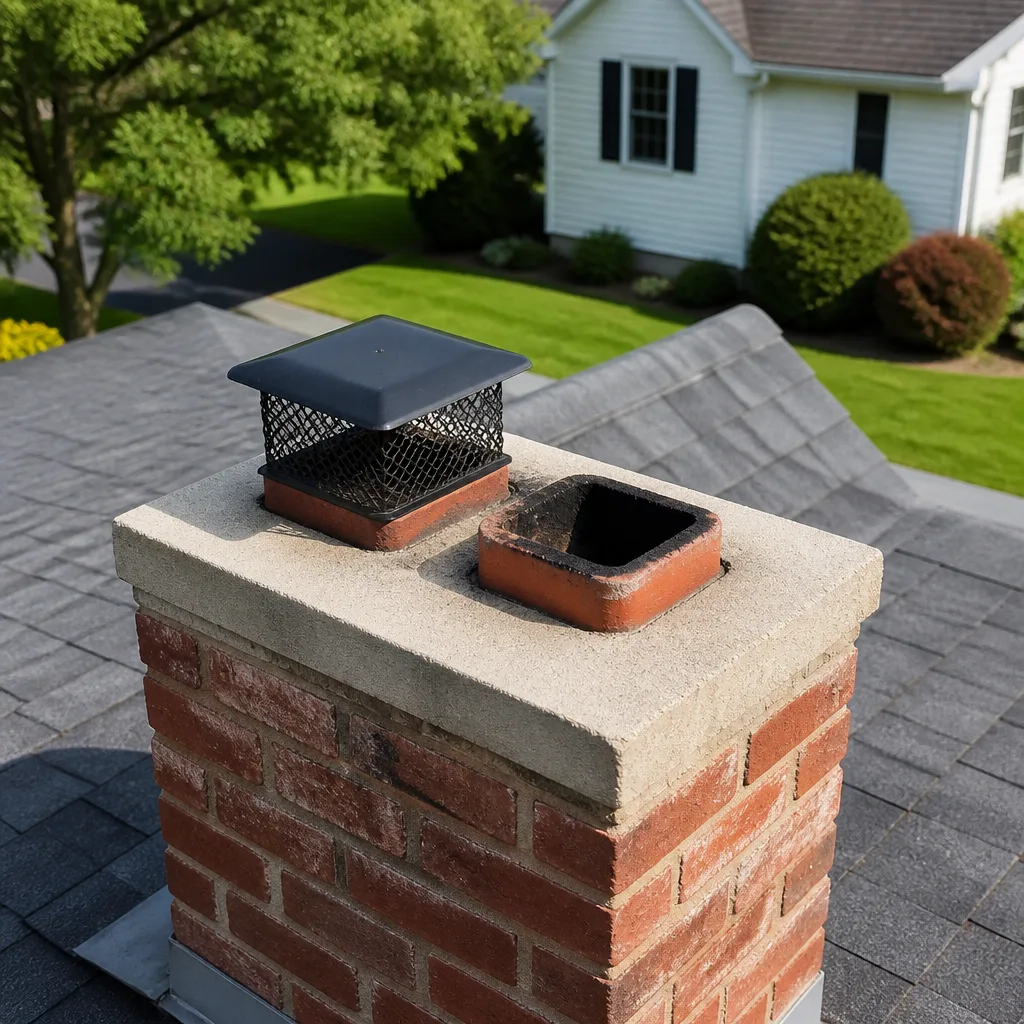
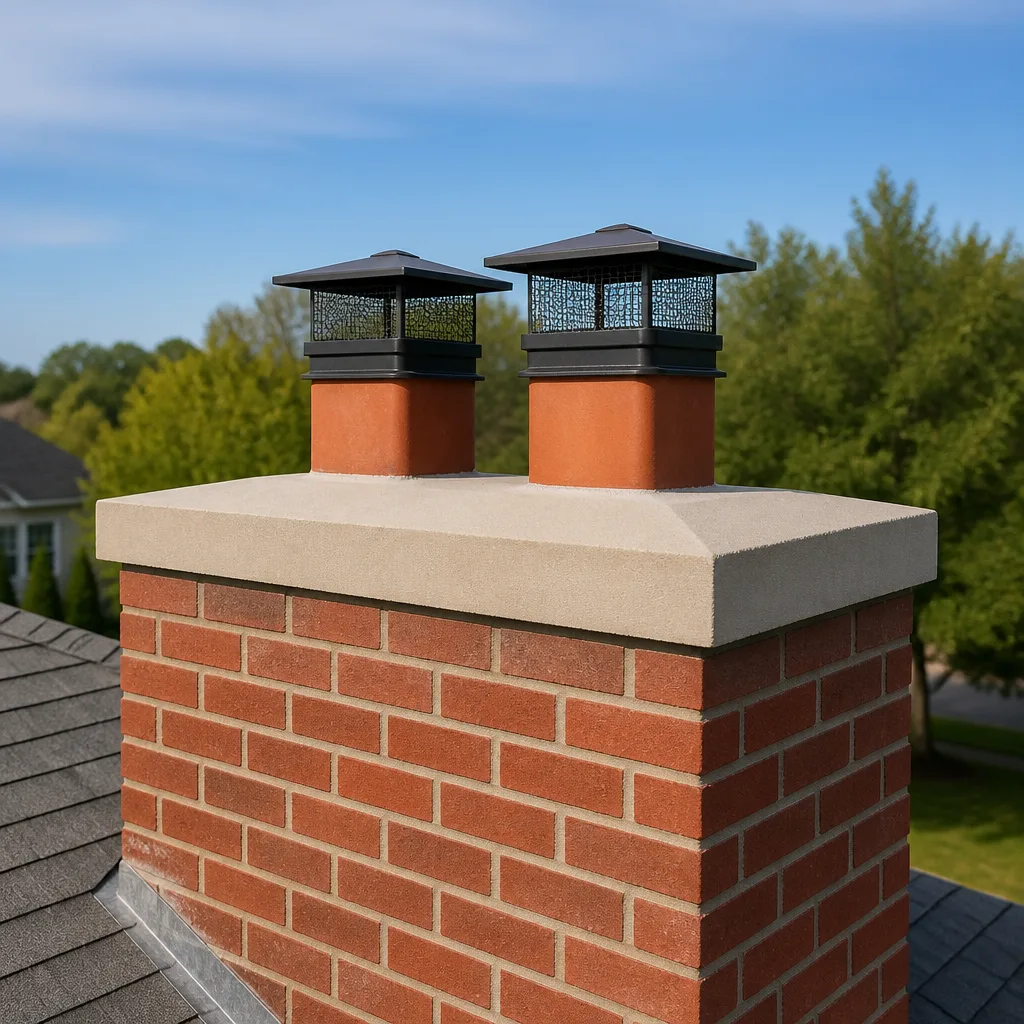
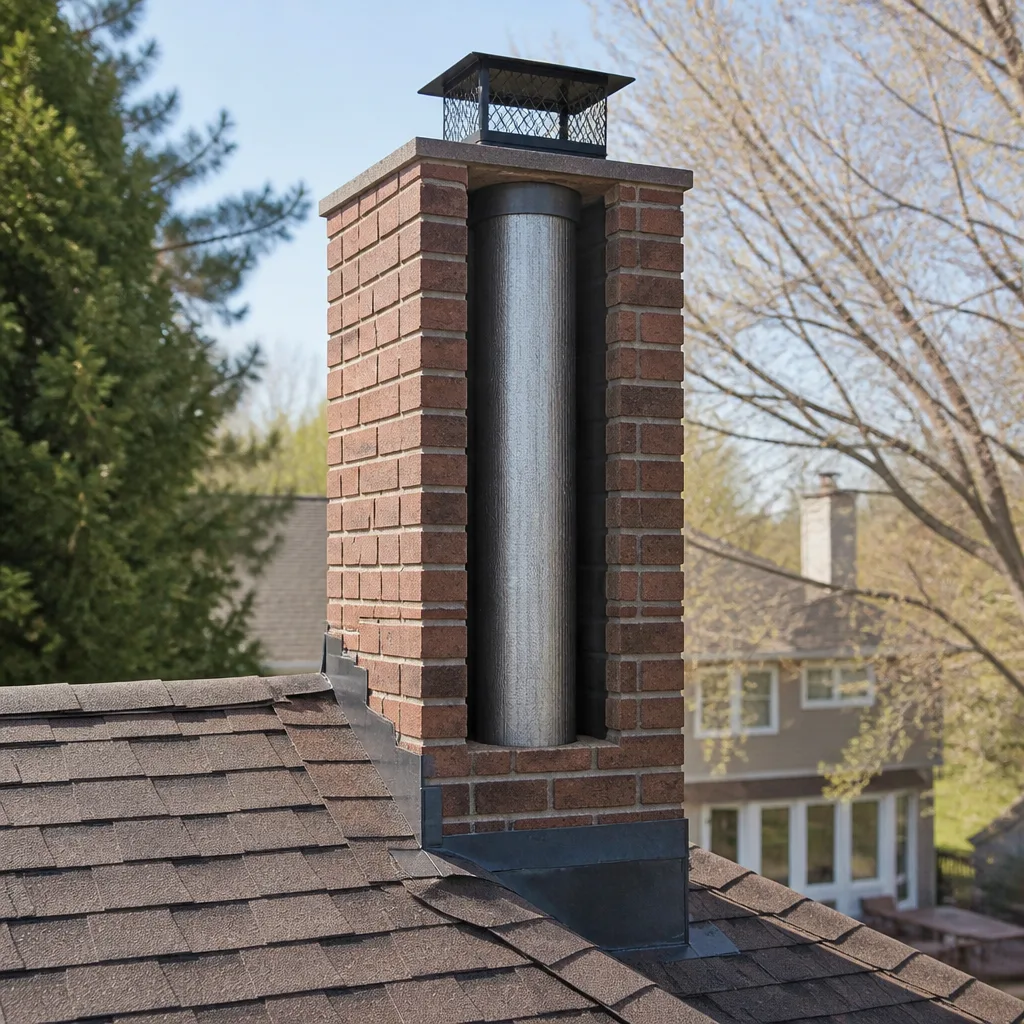
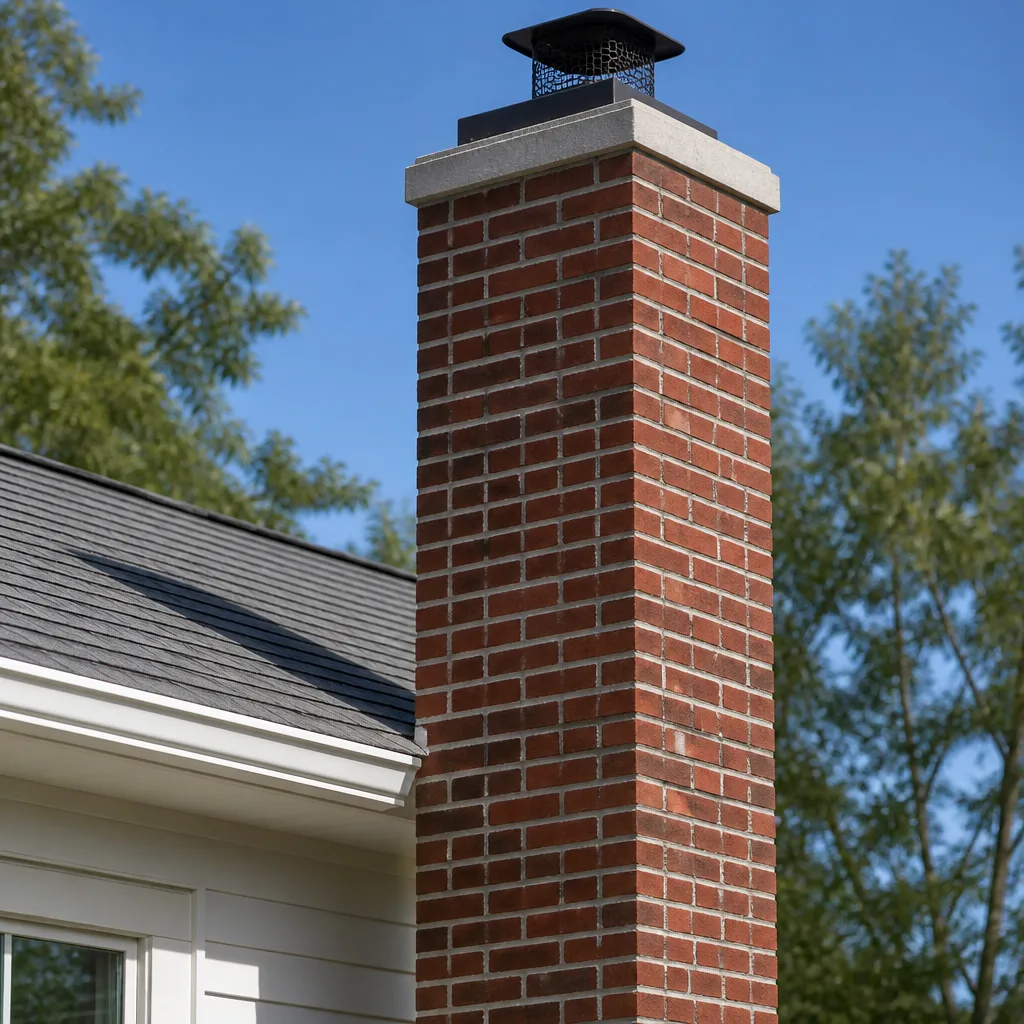
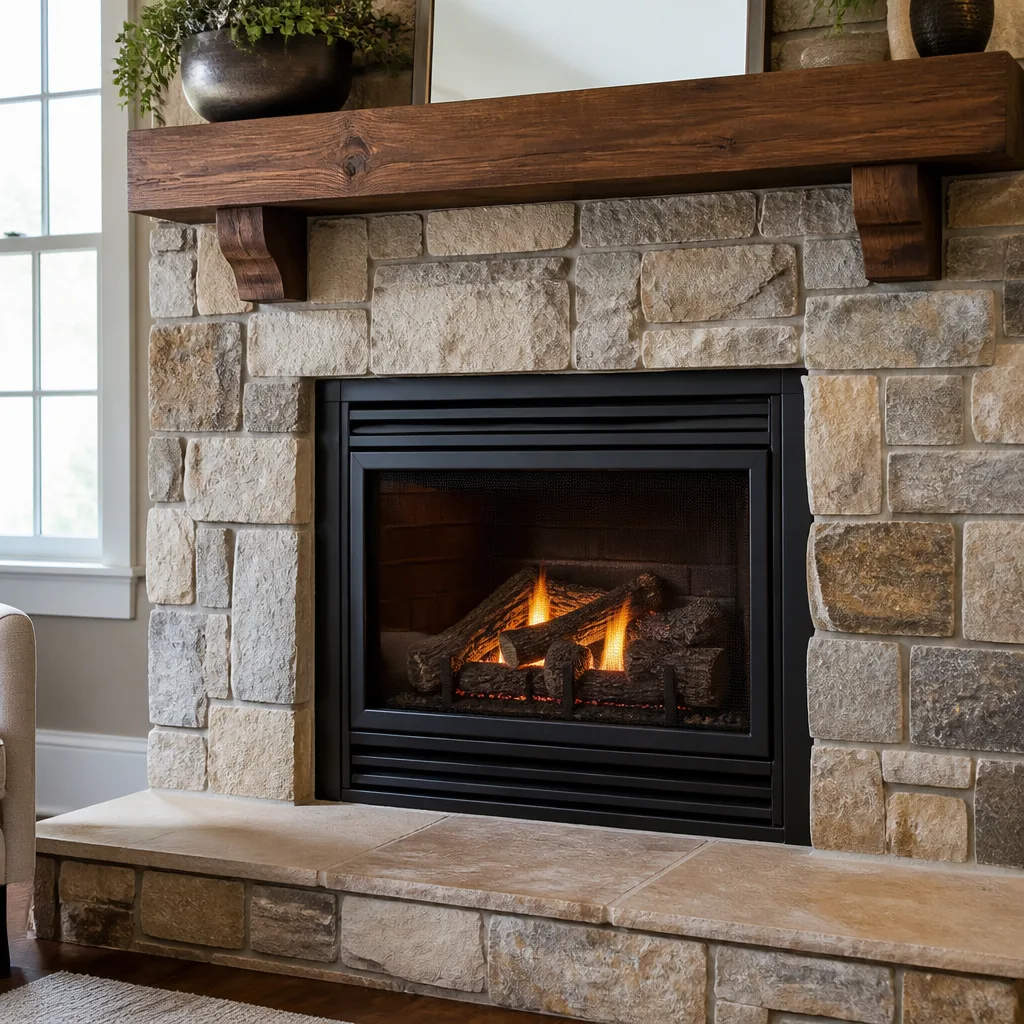
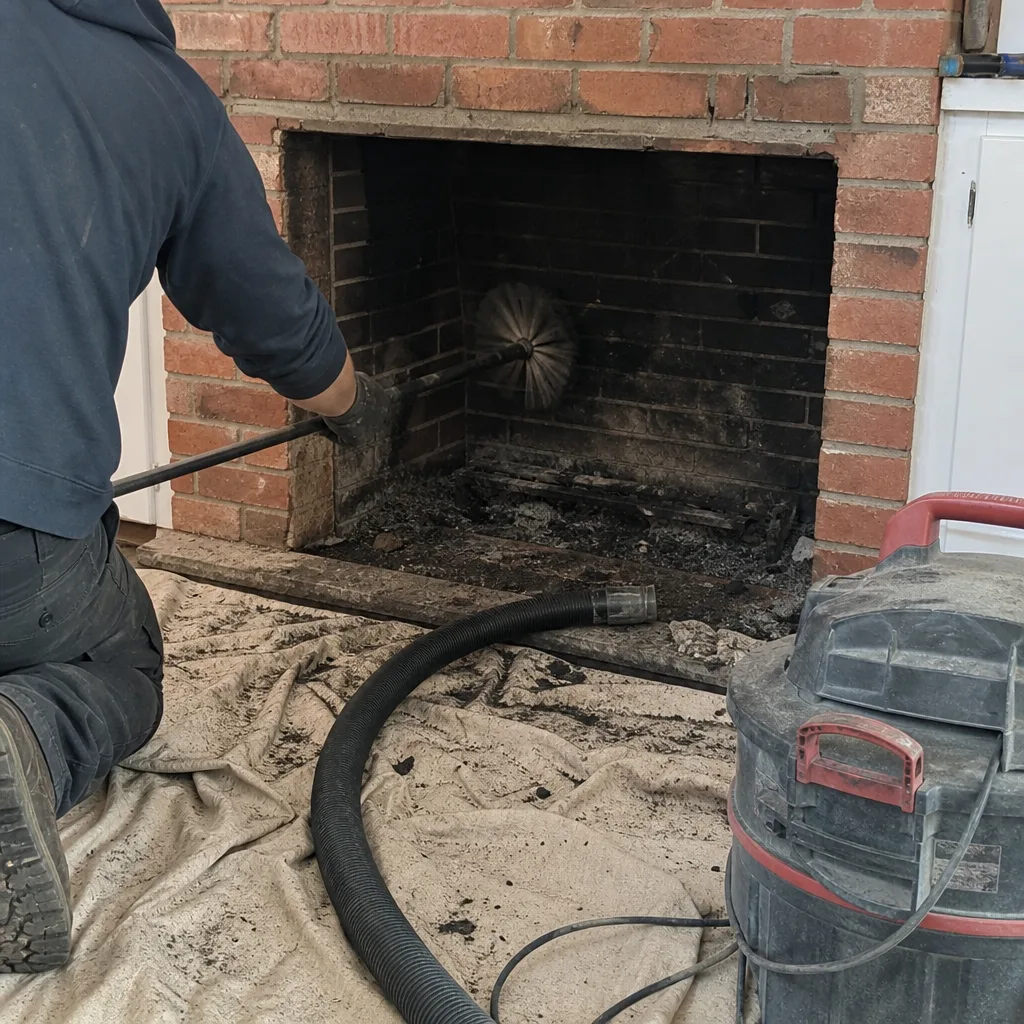 Before
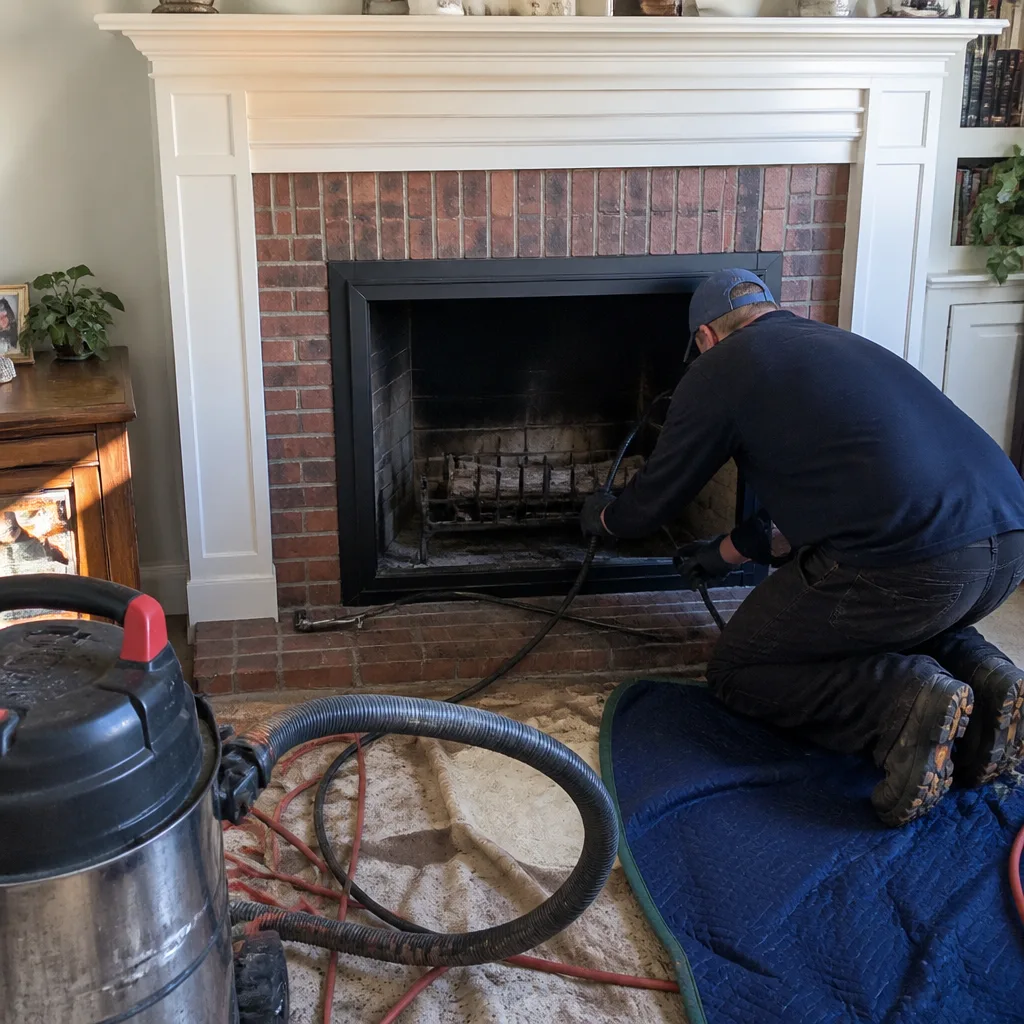 After
After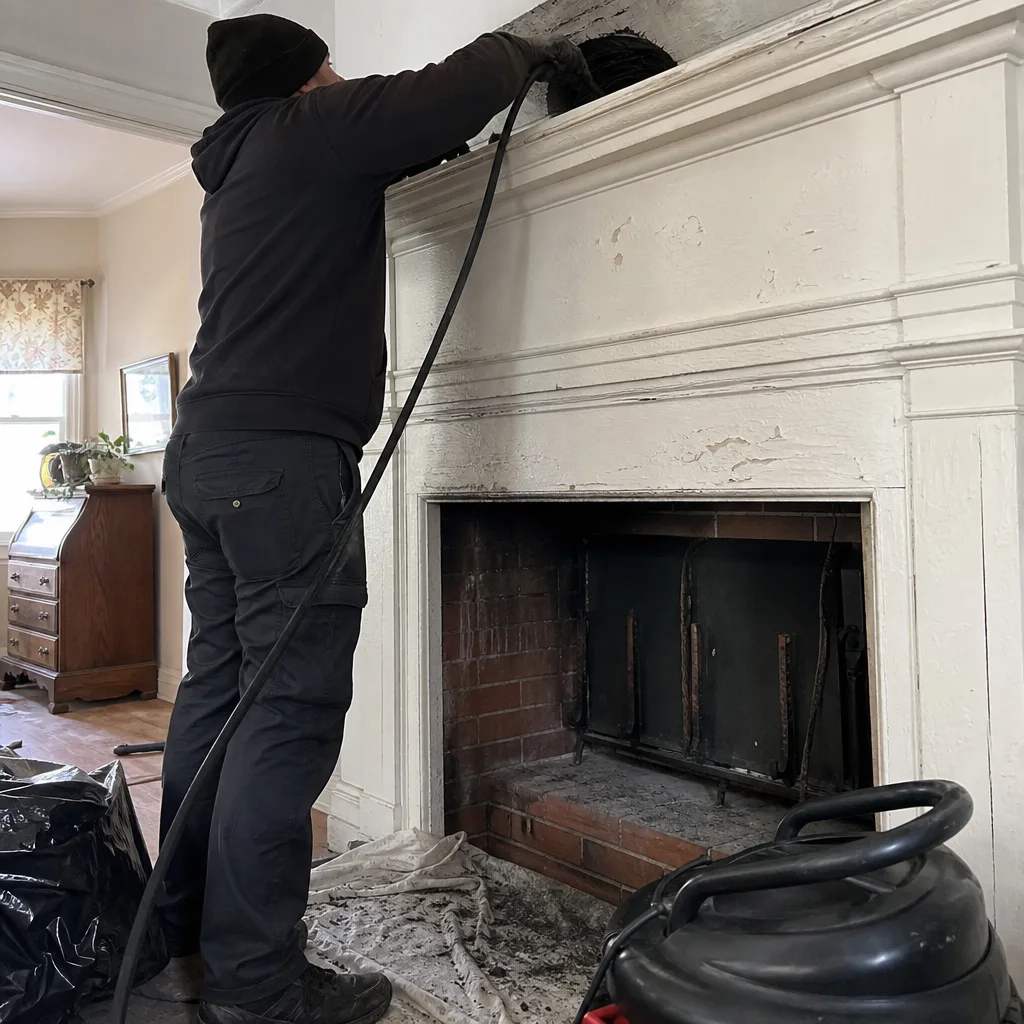 Before
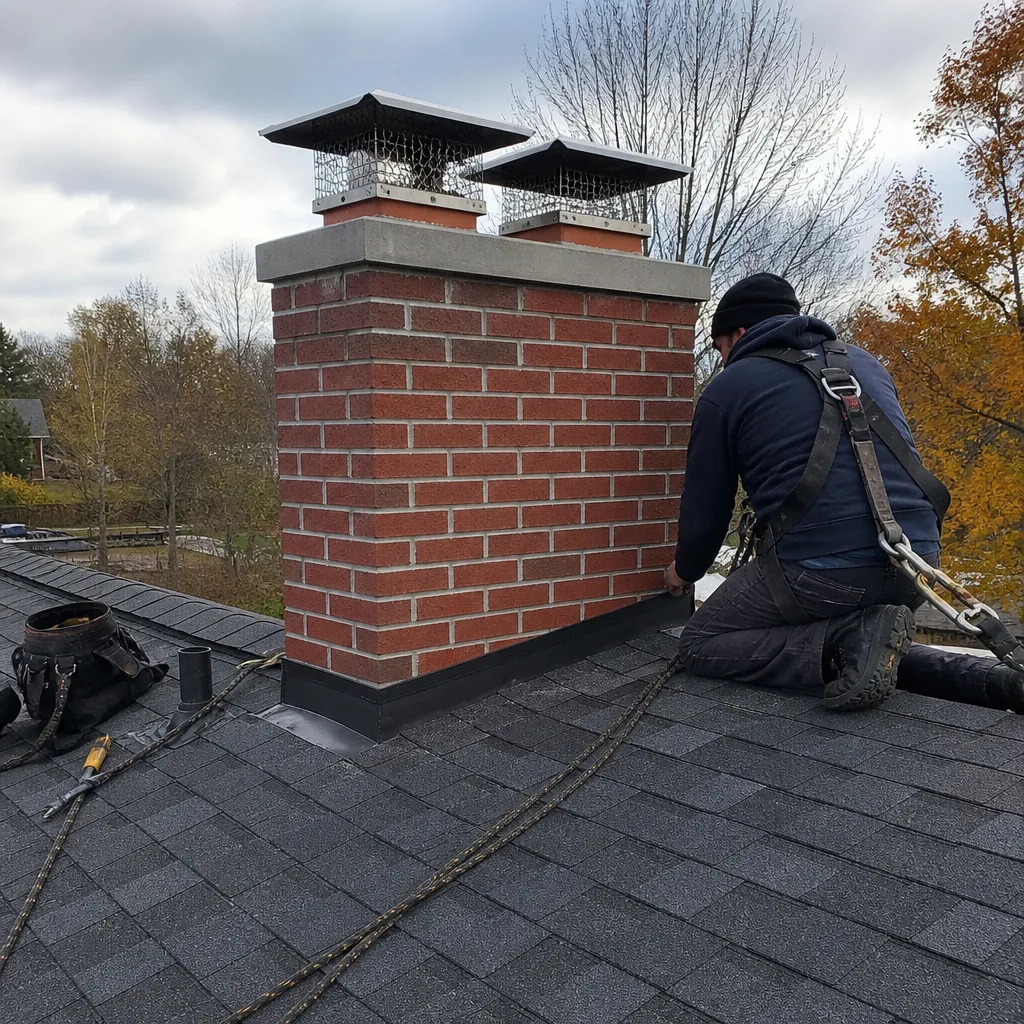 After
After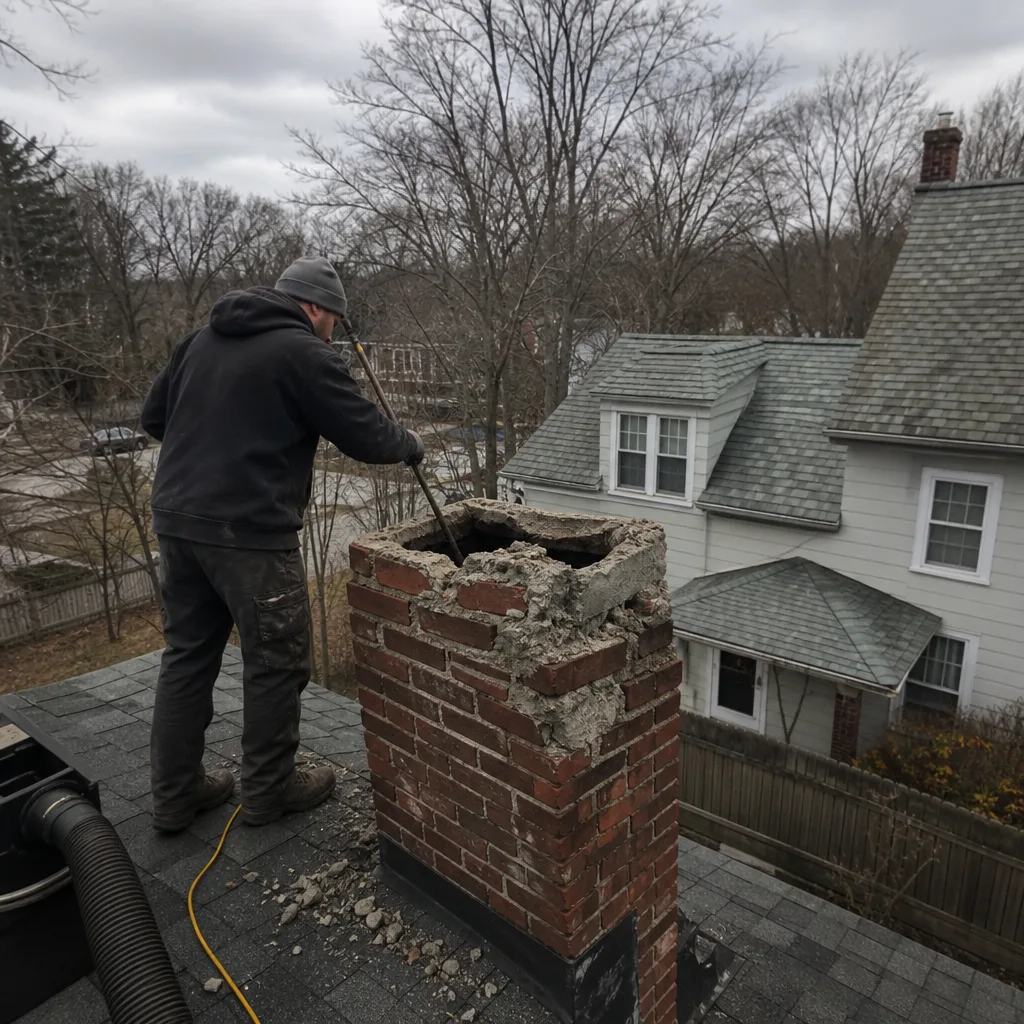 Before
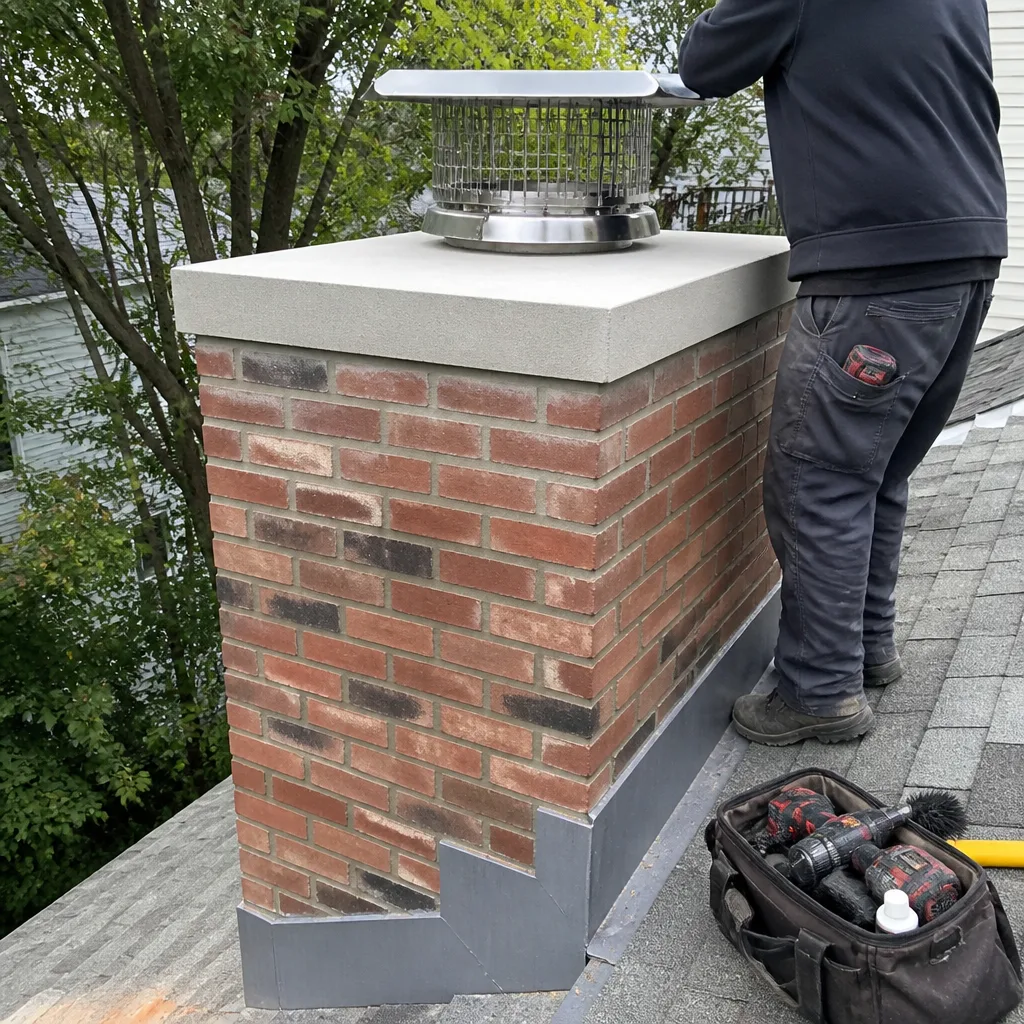 After
AfterDIY vs Professional Chimney Cleaning: The Newton Homeowner’s Decision Guide
Here’s something most chimney companies won’t say out loud: a homeowner with a brush kit and a YouTube tutorial can absolutely clean a single-story, straight-flue fireplace chimney in Newton. And in doing so, will walk away with no idea whether the liner is cracked, the cap is failing, or the damper plate is corroded through. We’ve been sweeping chimneys in Newton since 2014, and we’ve lost count of the “clean” flues we’ve opened to find hidden damage that a brush alone cannot reveal. This guide draws the line honestly. You’ll learn exactly where DIY makes sense, where it doesn’t, and how to use that knowledge to hire a chimney cleaning contractor in Newton smarter, even if you never touch a brush yourself.
Quick Answer
DIY chimney cleaning in Newton makes sense only for straight, lined, single-story wood-burning flues in good condition that are swept annually. For Newton’s older housing stock, particularly pre-1980 homes with unlined chimneys, oil-converted flues, or any system not cleaned in over two years, professional cleaning with a Level-2 camera inspection is the safer choice. A professional sweep includes documented condition assessment that DIY cannot provide, and in Newton’s competitive real estate market, that documentation protects your sale price. For seasonal chimney cleaning care in Newton, timing your sweep before heating season is key.
Table of Contents
- What DIY Chimney Cleaning Actually Accomplishes Well
- The Newton Conditions That Make DIY Inappropriate
- What DIY Cleaning Cannot Produce: Documentation & Assessment
- The Real Cost Comparison: DIY Kit vs. Professional Sweep
- How to Use DIY Knowledge Productively When Hiring Out
- The Hard Safety Limits: What No Homeowner Should Attempt
- Common Mistakes to Avoid
- When to Call a Professional
- Frequently Asked Questions
- The Bottom Line
What DIY Chimney Cleaning Actually Accomplishes Well
Let’s start with where DIY works. There is a narrow band, and it is real.
DIY chimney cleaning with a poly or wire brush kit, extension rods, and a shop vacuum accomplishes Stage 1 creosote removal in a standard wood-burning flue with good liner condition. Stage 1 creosote is flaky, sooty, and brushes off readily. It forms when you burn seasoned hardwood, maintain hot fires, and sweep annually. If your Newton home has a straight, vertical, stainless steel or terracotta-lined flue, no offsets, no bends, and you’ve kept up with yearly maintenance, a DIY job will remove the bulk of combustible buildup.
Here’s the specific scenario: a 1975 raised ranch in Oak Hill with a single-story fireplace flue, lined with terracotta in good condition, burning cordwood from a local supplier, swept every September. That homeowner can run a brush from the top down or bottom up, collect the debris, and reduce fire risk measurably. The tools are straightforward. A basic kit runs $40-$80. The physics are simple. The access is manageable.
What DIY does well in this narrow case:
- Removes loose, flaky creosote before it hardens to Stage 2 (shiny, tar-like) or Stage 3 (glazed, requiring chemical treatment or rotary equipment)
- Maintains airflow efficiency between professional inspections
- Keeps the homeowner familiar with their system’s condition and access points
- Saves money in years when no structural issues are present
But this narrow band shrinks dramatically in Newton. Our housing stock skews older. Many homes in Nonantum, Waban, and the Lake neighborhood were built before chimney liners were standard. Oil conversions are common. And the freeze-thaw cycles of Massachusetts winters accelerate masonry deterioration that a brush cannot assess.
We see homeowners in Newton who’ve DIY-cleaned for a decade, proud of their diligence, only to discover on a home inspection that their flue liner was cracked at the third course from the top the entire time. The brush went past it. The soot came out. The danger remained invisible.
The Newton Conditions That Make DIY Inappropriate
Newton’s housing market and climate create specific conditions that expand the risk profile beyond what a brush kit can address. Understanding these local factors is what separates an informed decision from a dangerous assumption.
Pre-1980 Chimneys Without Liners
Newton’s older neighborhoods, Chestnut Hill, Waban, and parts of Newton Centre, contain substantial pre-1980 housing stock. Many of these chimneys were built without liners, relying on unlined brick or stone masonry. Unlined flues deteriorate from the inside out. Combustion gases condense against the masonry, accelerating mortar joint erosion. Freeze-thaw cycles in Newton’s winters expand moisture trapped in degraded mortar, causing spalling and structural compromise. A brush removes surface creosote. It does not reveal whether the mortar between flue tiles has turned to sand, or whether the brick itself is exposed to direct combustion temperatures.
In our experience, unlined chimneys in Newton’s older homes require professional assessment every one to two years minimum. The chimney repair in Newton that results from deferred unlined flue maintenance typically runs $2,500-$6,000 for relining, versus $250-$350 for annual professional sweeping with inspection.
Oil-Converted Flues
Newton has significant oil-to-gas conversion history. Many chimneys originally serving oil furnaces were later adapted for gas appliances without proper resizing or relining. Oil combustion produces sulfuric acid residue that degrades terracotta liners. Gas combustion produces water vapor that condenses in oversized flues, causing wet, corrosive conditions. A DIY brush job in a converted flue may remove visible soot while missing the critical question: is this flue properly sized and lined for the appliance currently venting into it?
Improperly vented gas appliances produce carbon monoxide. This is not a theoretical risk. In Newton’s tight, well-insulated homes, backdrafting and spillage are genuine hazards that require draft testing and pressure measurement, equipment no homeowner brush kit includes.
Offset or L-Shaped Flues
Some Newton homes, particularly 1920s-1950s colonials and capes, have offset flues with bends to avoid structural elements. A straight brush rod cannot navigate an offset. Forcing it can lodge the brush, damage the liner, or leave substantial creosote deposits in the offset section. Professional sweeps use flexible rods, rotary systems, or camera-guided navigation for these configurations.
Chimneys Not Cleaned in More Than Two Years
Extended neglect allows creosote to progress to Stage 2 or 3. Stage 2 requires stiff poly or flat wire brushes and significant mechanical effort. Stage 3 glazed creosote requires chemical treatment with powders or sprays, followed by rotary whipping equipment, often over multiple visits. No homeowner kit addresses this effectively. Attempting to brush glazed creosote is like trying to scrub tar with a toothbrush. You will damage the liner, exhaust yourself, and leave the hazard in place.
Newton homeowners who inherit a chimney with unknown maintenance history, or who have let sweeping slide during a renovation or life transition, should not attempt DIY restoration. The accumulated material requires professional-grade removal, and the extended neglect raises the probability of hidden damage that needs documentation.
Local Climate Factors
Newton’s coastal New England climate produces specific stresses. Our freeze-thaw cycles run 40-60 per winter, aggressively testing masonry. The humidity swings from summer to winter cause expansion and contraction in metal components: dampers, caps, flashing. We’ve found corroded damper plates in Newton Centre homes that appeared functional until camera inspection revealed 40% metal loss. A homeowner brushing past that damper would never know.
What DIY Cleaning Cannot Produce: Documentation & Assessment
This is where the real divide opens. DIY cleaning is a maintenance act. Professional sweeping is a diagnostic and documentation process. The gap between them is not skill, it is instrumentation and accountability.
A professional Level-2 inspection, which we include with every chimney cleaning & sweep in Newton, produces three things no homeowner can generate independently:
- Camera-documented liner assessment. We run a high-resolution camera the full length of the flue, recording every course of terracotta, every joint, every crack, every offset. The homeowner sees what we see. In Newton’s real estate market, this footage is concrete evidence of condition. We’ve had sellers in Auburndale use our inspection reports to justify asking price, and buyers in Newtonville use them to negotiate credit for deferred maintenance.
- Written condition report with plain-English verdict. Our reports specify what needs attention now, what can wait, and what to monitor. This is governed by our K.E.Y.S. values: Krafted right, Every time, Your home first, Standing behind it. The report becomes part of your home’s maintenance record, useful for insurance, warranty claims, and resale.
- Documentation useful at home sale. Massachusetts disclosure requirements put chimney condition on the seller. A DIY cleaning has no paper trail. A professional inspection with photos and written report demonstrates due diligence. In Newton’s market, where inspections are rigorous and buyers are informed, this documentation protects transaction value.
The camera inspection reveals what brushing cannot: cracked flue tiles at mortar joints, where thermal expansion creates the most common failure mode; spalled masonry from freeze-thaw damage; animal nesting in upper flue sections, common in Newton’s tree-canopied neighborhoods; deteriorated chimney crowns that allow water infiltration; and failed or missing chimney caps that expose the flue to precipitation and wildlife.
We’ve swept chimneys in Newton where the homeowner reported “no problems,” only to find a separated flue tile creating a gap that allowed combustion gases to enter the wall cavity. No brush detects this. No homeowner without camera equipment can see it. The risk is real: carbon monoxide intrusion, structural fire, or both.
The Real Cost Comparison: DIY Kit vs. Professional Sweep
Homeowners understandably want numbers. For a detailed chimney cleaning cost breakdown, here’s the honest accounting.
| Item | DIY Approach | Professional Sweep (Hearthstone) |
|---|---|---|
| Brush kit, rods, vacuum accessories | $40-$120 | Included |
| Time investment | 3-6 hours (first attempt), 2-4 hours (experienced) | 90 minutes-2.5 hours |
| Roof access equipment | Ladder, safety gear: $100-$300 if not owned | Included (technician-equipped) |
| Level-2 camera inspection | Not available to homeowners | Included |
| Written condition report | Not producible | Included |
| Debris disposal | Homeowner responsibility | Included |
| Separate inspection if selling home | $250-$400 additional | Already documented |
| Liability if damage occurs | Homeowner bears full cost | Insured, bonded, 90-Day Done Right Promise |
The honest math: a DIY kit plus the separate inspection you’ll eventually need runs $290-$520 in cash outlay, plus your time, plus the risk of incomplete cleaning or undetected damage. A professional sweep in Newton runs $250-$350 and includes the inspection, documentation, and accountability.
For Newton homeowners in the 55-75 age range who have lived in their homes twenty-plus years, time has value. Roof work has risk. And the documentation matters increasingly as estate planning and potential sale enter the picture.
Our Hearthstone Chimney Co. home page details our full service structure, but for this comparison, the relevant point is straightforward: the price difference is smaller than it appears, and the value difference is larger.
How to Use DIY Knowledge Productively When Hiring Out
Even if you never clean your own chimney, understanding the DIY process makes you a better customer. This is perhaps the most underutilized insight in homeowner education, and you’ll find more guides & resources on our blog to help.
A homeowner who understands brushing technique, creosote stages, and flue anatomy can verify contractor quality in ways a hands-off homeowner cannot. Here’s how to apply that knowledge:
- Ask about creosote stage and removal method. If a sweep reports “heavy buildup,” ask whether it’s Stage 2 or 3 and what removal method they used. A vague answer suggests superficial work. A specific answer, “Stage 2, required flat wire brushes and rotary whipping,” indicates genuine assessment. At Hearthstone, we document this in our written report.
- Request to see the camera footage in real time. Any sweep with camera equipment should be willing to show you the flue as they inspect it. If they inspected “later” or “off-site,” that is a red flag. Our technicians review footage with homeowners on-site, explaining what we see in plain English.
- Verify brush contact with the full flue surface. Ask whether they brushed the entire flue length, including any offsets, and whether they verified brush contact with the flue walls. Partial brushing leaves hazardous deposits.
- Inspect the debris volume. A proper sweep produces visible debris. If your technician leaves with a nearly empty vacuum, question whether thorough brushing occurred. We show homeowners the debris volume as informal confirmation of work scope.
- Understand the damper and smoke shelf. These areas collect the most concentrated deposits and require specific attention. Ask whether the smoke shelf was cleaned and the damper plate removed for access if design allows. A sweep who brushes only the flue and ignores the smoke chamber has done half a job.
This knowledge also protects you from the opposite problem: unnecessary upselling. A contractor who recommends immediate relining without camera evidence, or who cannot specify the location and severity of a crack, is selling fear. Our policy at Hearthstone: no recommendation without photo evidence you can see, and plain language about whether work can safely wait. In writing, no arguing.
Newton homeowners who’ve been burned by contractors before, and our customer base includes many who have, appreciate this transparency. The DIY-informed homeowner knows enough to ask the right questions, and we welcome those questions. A square deal requires both parties to understand what was done and why.
The Hard Safety Limits: What No Homeowner Should Attempt
Certain chimney work crosses into genuine hazard territory. We state these plainly, without exaggeration or scare tactics.
High-tension spring components in some damper assemblies can cause serious injury if improperly handled. If your damper uses a tension spring for counterbalance, do not attempt removal or adjustment without proper tools and training. The stored energy in these springs can lacerate or cause eye injury. Our technicians are trained in safe handling, and this is not a theoretical precaution. We’ve seen the aftermath of homeowner attempts.
Roof work on pitched surfaces, particularly Newton’s older homes with slate or steep composite roofing, presents fall risk that increases with age. A homeowner in their sixties or seventies has no business on a steep roof with a brush rod in hand. The statistics on ladder falls in this demographic are unforgiving. Our technicians use proper fall protection and carry insurance for this exposure.
Gas appliance venting requires combustion analysis that no homeowner equipment provides. Carbon monoxide is odorless, colorless, and lethal at sufficient concentration. Draft pressure, spillage testing, and CO measurement require calibrated instruments. If your chimney serves any gas appliance, DIY cleaning without professional venting verification is incomplete and potentially dangerous.
Structural masonry repair, crown rebuilding, and liner installation require building code compliance and permitting knowledge. Newton follows the Massachusetts State Building Code with local amendments. Improper liner installation can void appliance warranties and create insurance liability. Our work uses professional-grade materials from DuraFlex, HeatShield, and other industry-trusted brands, installed to code with proper documentation.
These limits are not about protecting our business. They are about protecting homeowners from consequences that cannot be undone. We’ve been called to correct DIY and cut-rate work that created larger problems than it solved. The 90-Day Done Right Promise exists because we stand behind work done correctly the first time.
Common Mistakes to Avoid
- Assuming a “clean” flue is a safe flue. In Newton’s Nonantum neighborhood, we inspected a chimney that had been DIY-brushed annually for fifteen years. The flue looked clean. Camera inspection revealed a three-foot vertical crack in the terracotta liner, hidden from brush view, allowing combustion gases into the chase. Clean does not mean sound.
- Using the wrong brush material for the liner type. Wire brushes on stainless steel liners can score and damage the metal, creating corrosion initiation points. Poly brushes on heavy Stage 2 creosote will glaze the surface rather than remove it. Match brush to liner and deposit type, or hire someone who knows how.
- Neglecting the smoke chamber and smoke shelf. These areas above the damper collect the most concentrated, most combustible deposits. A brush run up the flue ignores them. Professional sweeping includes smoke chamber attention with hand tools and vacuum. In Newton’s older homes with corbeled brick smoke chambers, this area is particularly prone to accumulation.
- Cleaning from the bottom without proper debris containment. Creosote and soot are respiratory irritants and combustible. Opening a flue from below without sealed containment spreads material through the living space. Professional sweeps use HEPA vacuums and containment barriers. We’ve been called to remediate soot contamination from well-intentioned DIY attempts in Newton Centre condos.
- Ignoring the chimney cap and crown condition. A missing or failed cap allows water, animals, and debris into the flue. Water is the primary destroyer of chimney systems in Newton’s climate. Cleaning the flue while ignoring a failed crown is like waxing a car with a hole in the radiator. The real problem progresses unseen.
- Skipping inspection after a chimney fire. Even a small chimney fire, often undetected by the homeowner, can crack liners and damage masonry. If you’ve ever heard a roaring sound from the chimney, seen sparks exiting the top, or found cracked flue tile fragments in the cleanout, do not attempt DIY cleaning. The system needs professional assessment for structural integrity before further use.
- Assuming all sweeps are equivalent. In Newton, as in any market, quality varies. The cheapest sweep often skips the camera, omits the written report, and rushes the brushing. The informed homeowner, even one who intends to DIY in some years, knows what thorough work looks like and can demand it.
When to Call a Professional
Call a professional sweep when: your home was built before 1980 and the liner condition is unknown; your chimney has not been cleaned in over two years; you burn more than two cords of wood annually; you’ve converted from oil to gas or added a wood insert to a fireplace; you notice draft problems, smoke spillage, or unusual odors; you’re preparing to sell your Newton home; or you simply want documented proof of condition for insurance or estate purposes.
Hearthstone Chimney Co. offers free estimates in Newton. Our technicians are background-checked, uniformed, and complete most jobs in a single visit. We answer calls with a live person, 24 hours a day, 7 days a week, at (857) 754-5607. No voicemail, no callback queue. We’ll be there when we say. Photos you can see, a plain-English verdict. In writing, no arguing.
Frequently Asked Questions
A professional chimney sweep with Level-2 camera inspection in Newton typically costs $250-$350 for a standard wood-burning fireplace flue. Oil or gas appliance flues, multi-flue chimneys, or systems with significant creosote buildup may run higher. Our $89 Seasonal Tune-Up offers a limited-scope option for well-maintained systems. Call (857) 754-5607 for an exact quote, estimates are free.
The National Fire Protection Association recommends annual inspection, with cleaning as needed based on deposit accumulation. In Newton, where many homeowners burn 2-4 cords of hardwood through the heating season, annual sweeping is practical. If you burn less than a cord, inspection every two years may suffice, but the inspection itself should not be skipped. Our climate produces more rapid freeze-thaw masonry stress than drier regions, making regular professional assessment particularly valuable.
A legitimate liner recommendation is backed by camera evidence of cracks, gaps, or deterioration that you can see for yourself. At Hearthstone, we show you the footage and explain the specific failure mode. If a sweep recommends relining without camera documentation, or cannot specify the location and nature of the damage, get a second opinion. We offer free second opinions on any written estimate. Some liners can wait; others cannot. The difference is evidence, not urgency language.
Skipped cleaning allows creosote to accumulate and harden. Stage 1 becomes Stage 2, then Stage 3, which cannot be brushed out. The risk of chimney fire increases with deposit thickness and hardness. More critically, unseen liner damage, cap failure, or masonry deterioration progresses without detection. In Newton’s tight, well-insulated homes, a chimney fire can extend to structural framing rapidly. Carbon monoxide from a compromised flue presents a silent, lethal risk. The cost of deferred maintenance typically exceeds the cost of annual care by multiples. Call (857) 754-5607 to schedule before burning season.
Bottom-up cleaning is possible with flexible rods and proper debris containment, but it has limitations. You cannot inspect the flue visually from below without a camera. You cannot assess cap or crown condition. And debris control is more challenging. For Newton’s older chimneys with unknown upper-section condition, top-down professional access with camera inspection is the more informative approach. If you DIY, bottom-up may suffice for interim maintenance between professional visits, but it does not replace them.
Cleaning removes combustible deposits. Inspection assesses structural and functional condition. A Level-1 inspection is visual, without equipment, appropriate for annually maintained systems with no changes. A Level-2 inspection includes camera examination of the flue interior, accessible portions of the chimney exterior, and appliance connections, required at property sale, after chimney fire, or when any change is made to the system. At Hearthstone, our sweeps include Level-2 inspection because cleaning without assessment is incomplete. The fireplace services in Newton we provide always integrate both functions.
The Bottom Line
DIY chimney cleaning in Newton is not a binary right-or-wrong choice. It is a narrow-band solution for a specific set of conditions: straight, lined, well-maintained, single-story wood-burning flues in homes with known good history. For Newton’s predominant housing stock, older, often converted, frequently unlined, professionally varied, the unknowns outweigh the savings. The camera inspection, written report, and documented accountability that professional sweeping provides protect safety, sale value, and peace of mind in ways a brush kit cannot replicate. Whether you DIY some years or hire every year, understand what the work accomplishes and what it cannot. That knowledge lets you verify quality, resist pressure selling, and maintain your chimney with confidence. Done right, and we stand behind it.
Written by Russell Haines, Owner at Hearthstone Chimney Co., serving Newton since 2014.