
Last updated September 10, 2026
Level 1 sweep and inspection to the NFPA 211 annual standard - flue, crown, cap, and flashing checked and photographed
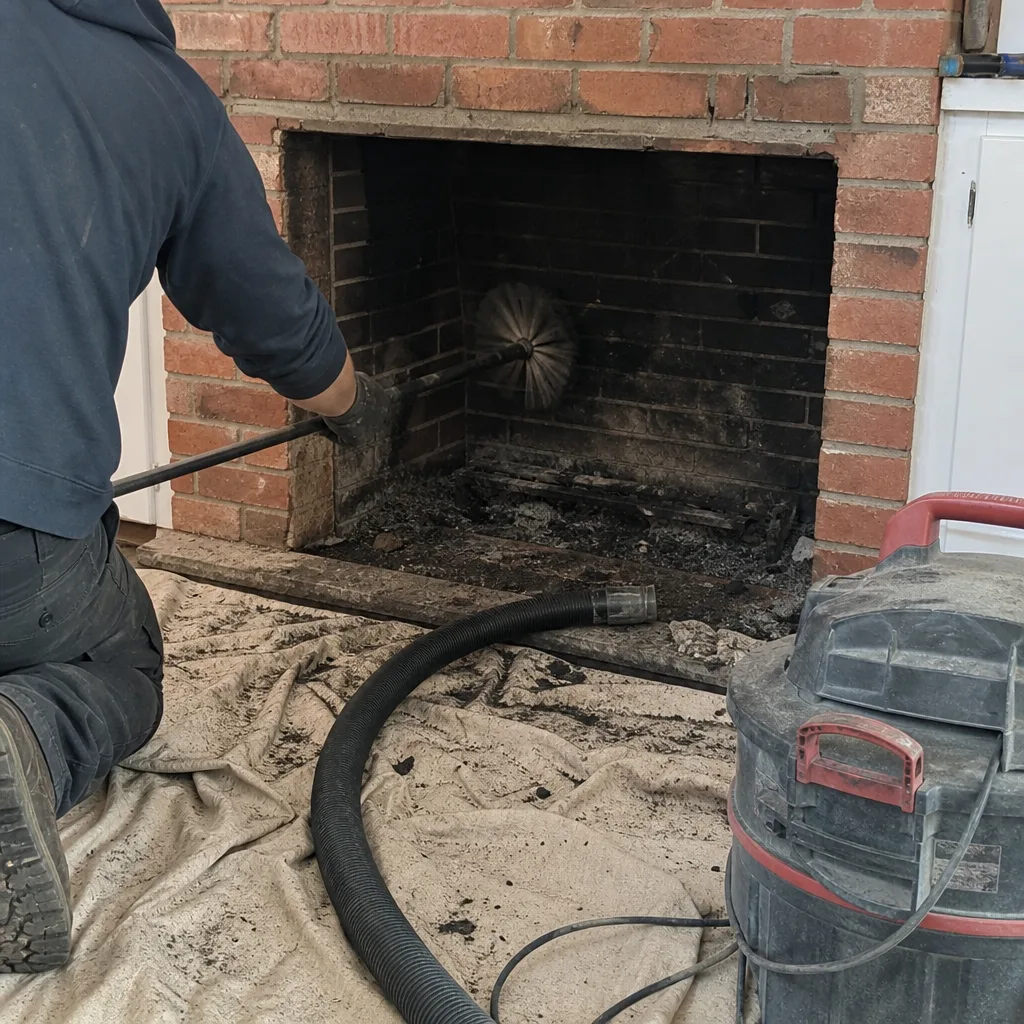
Chimney sweep logs do not sweep chimneys. They loosen some creosote - which then falls where a brush and vacuum still have to collect it.
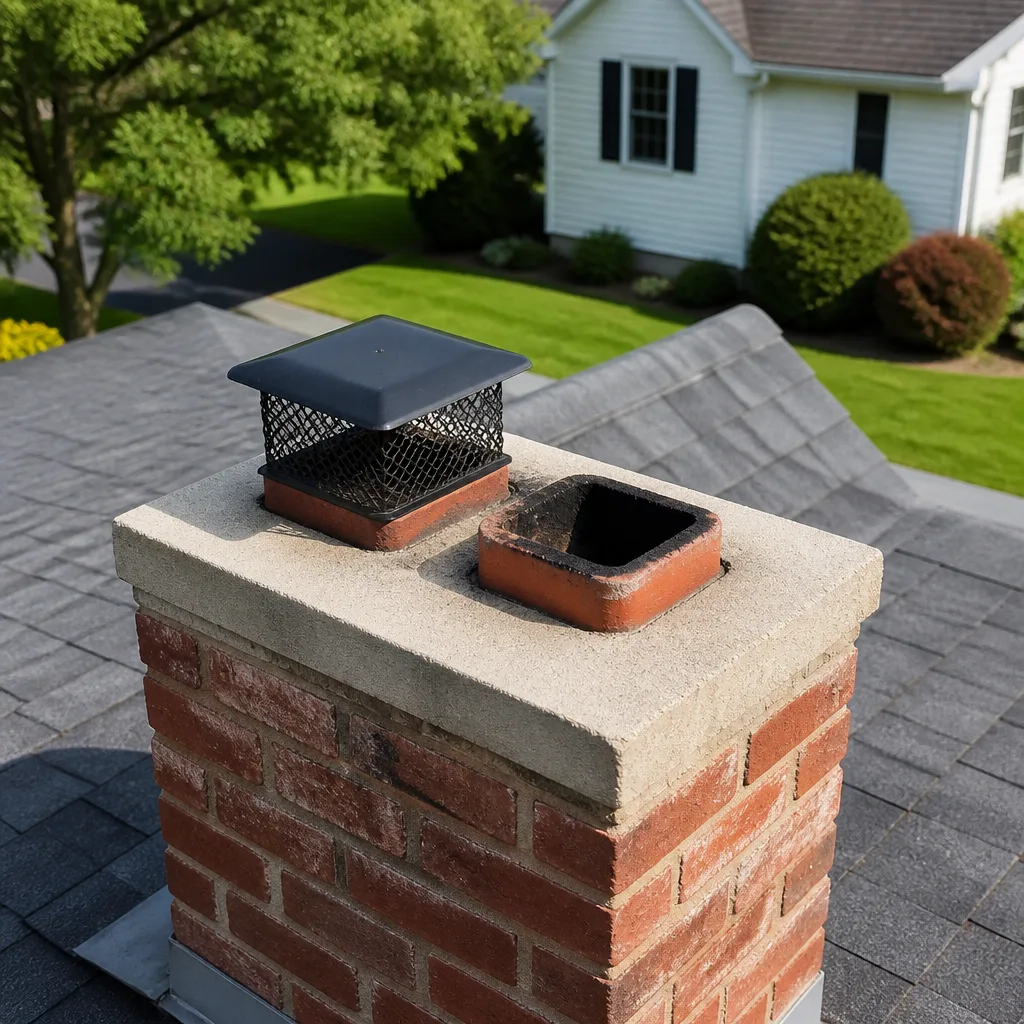
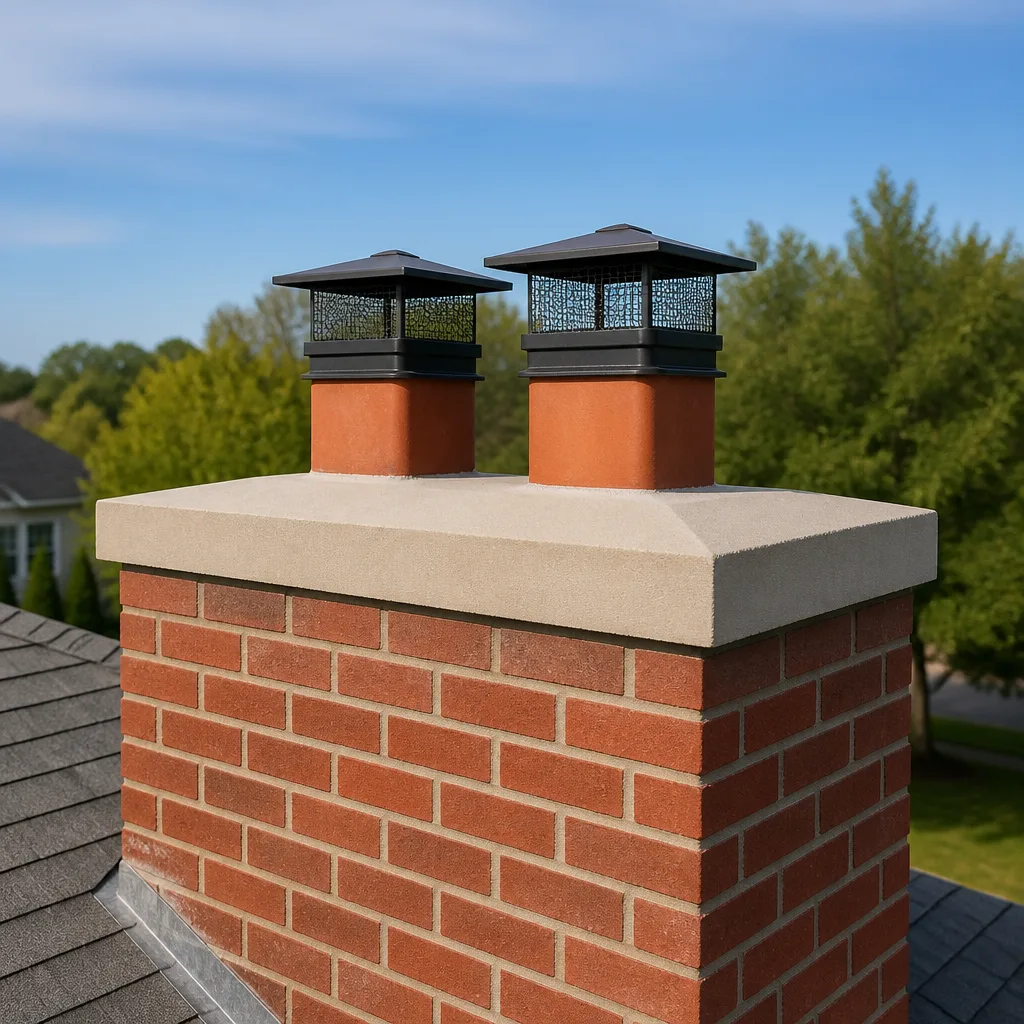
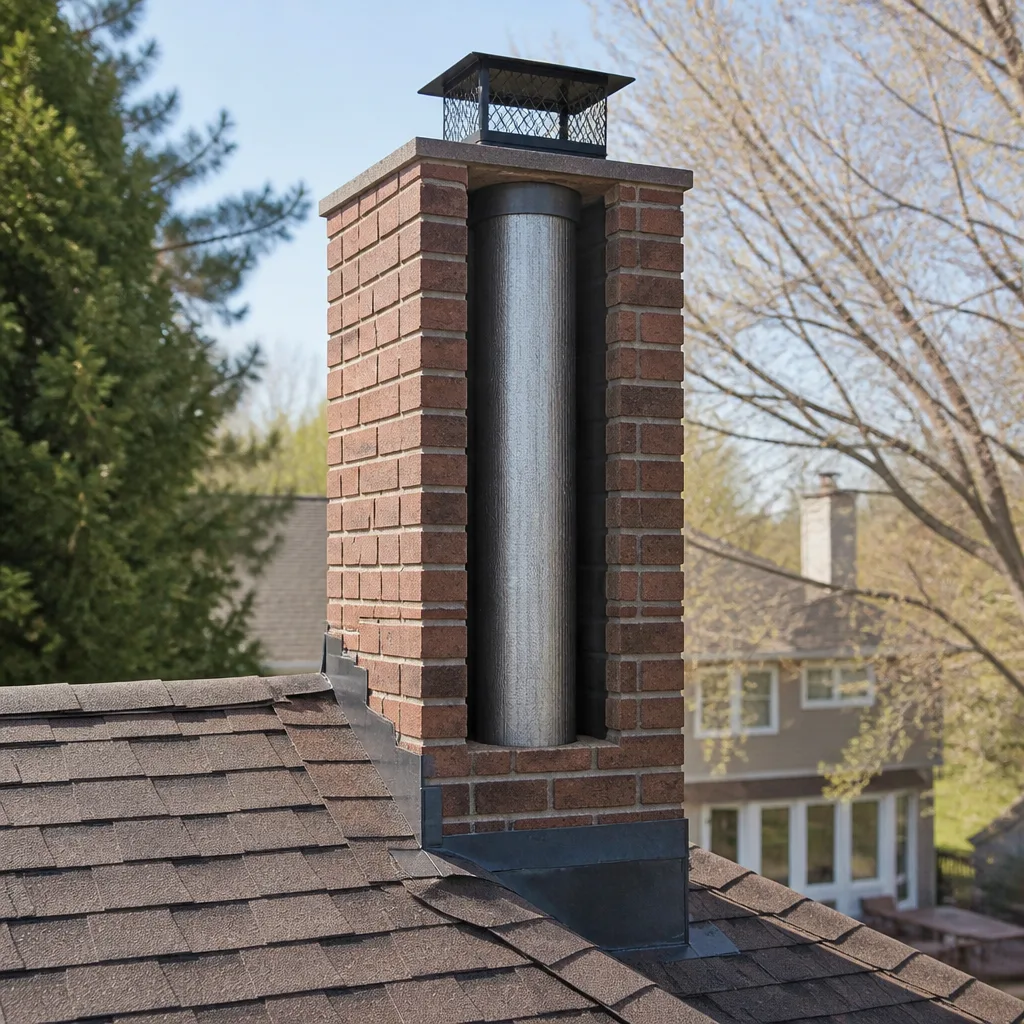
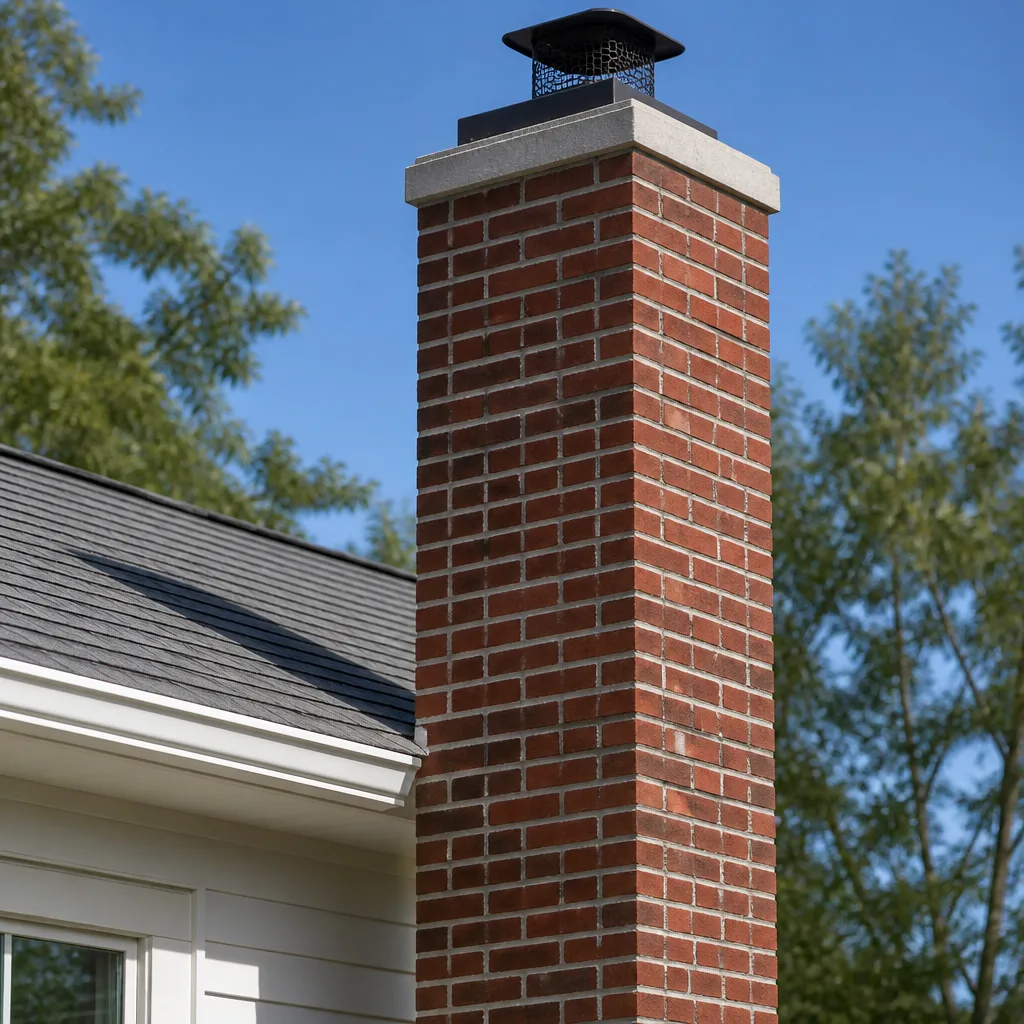
 Before
 After
After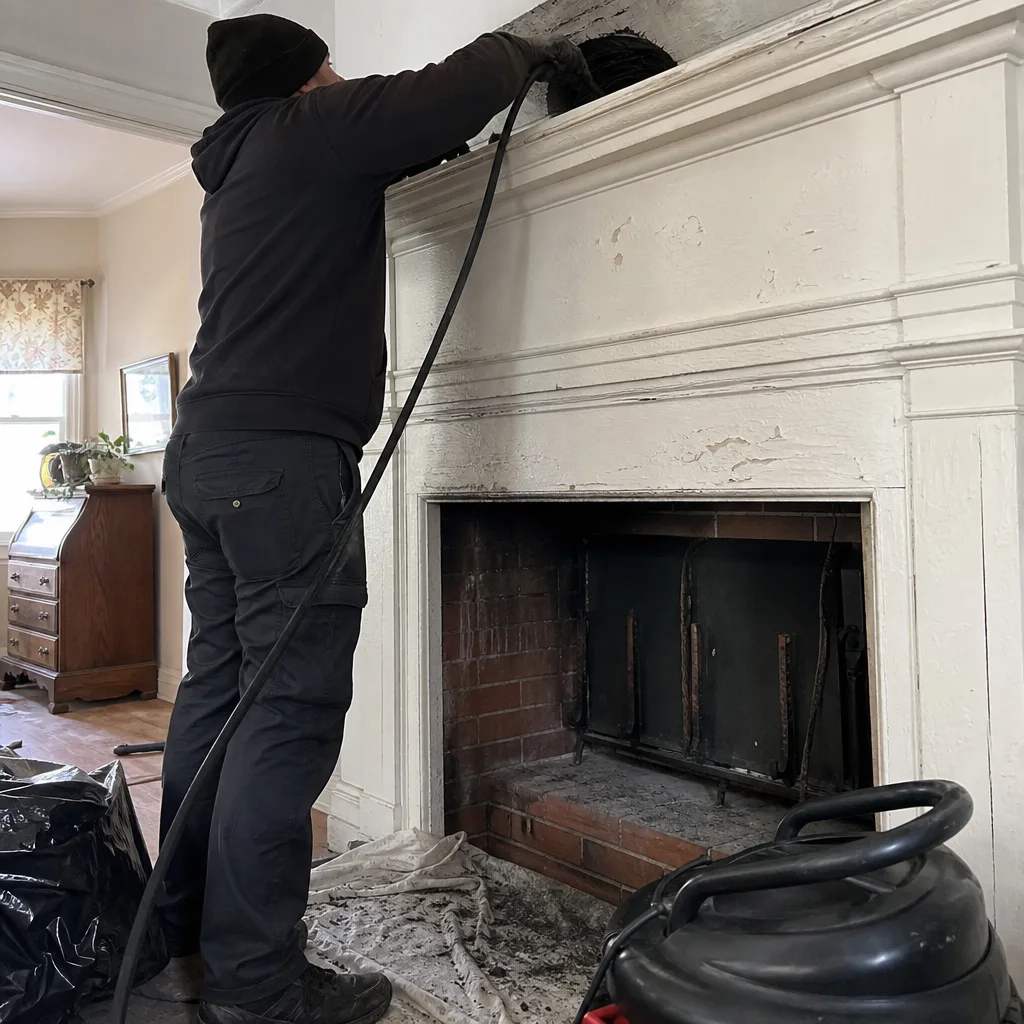 Before
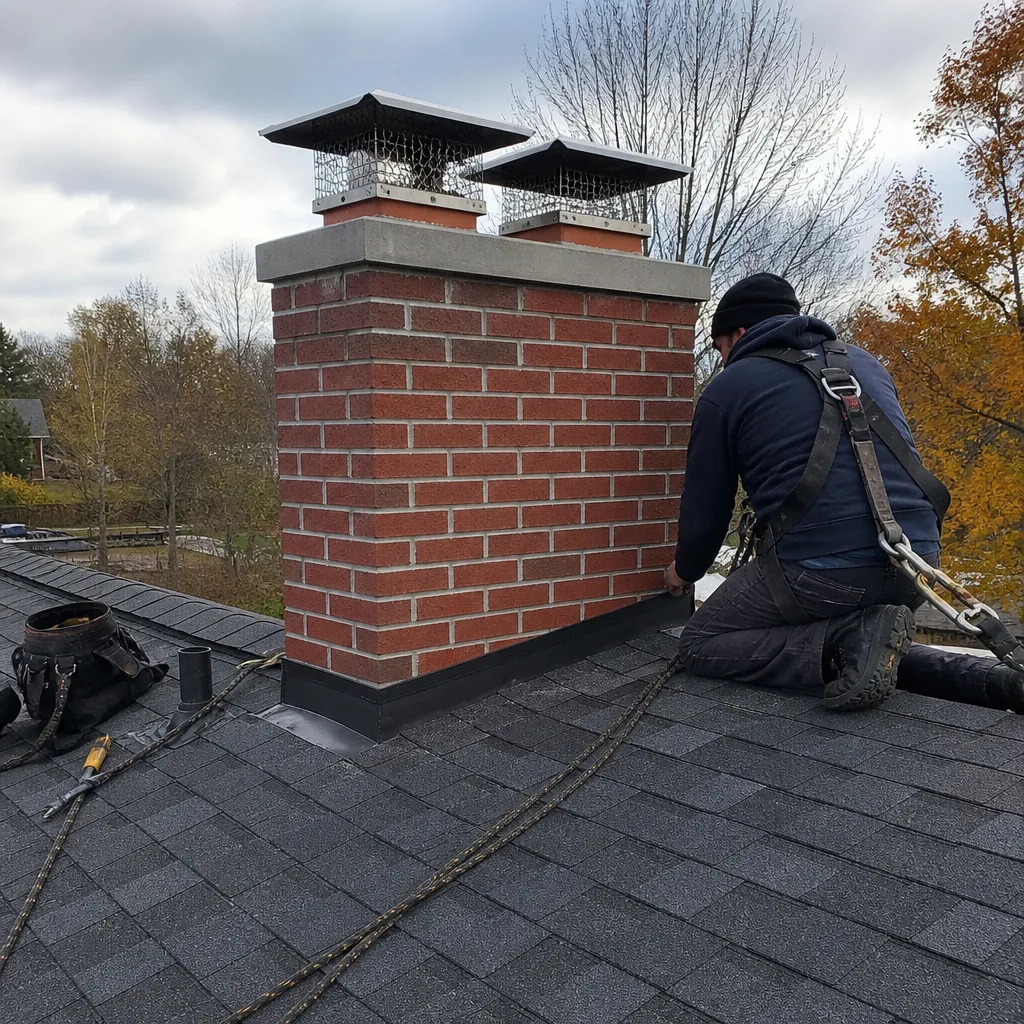 After
After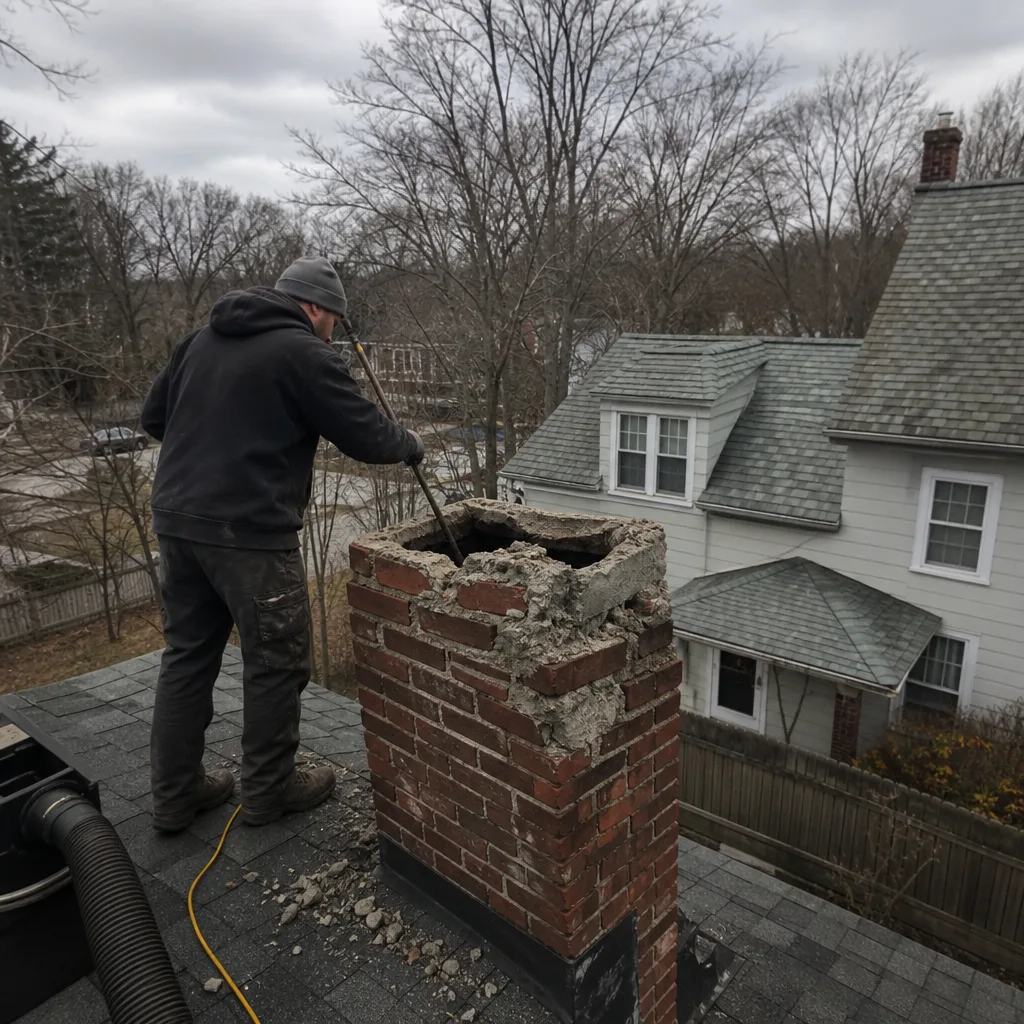 Before
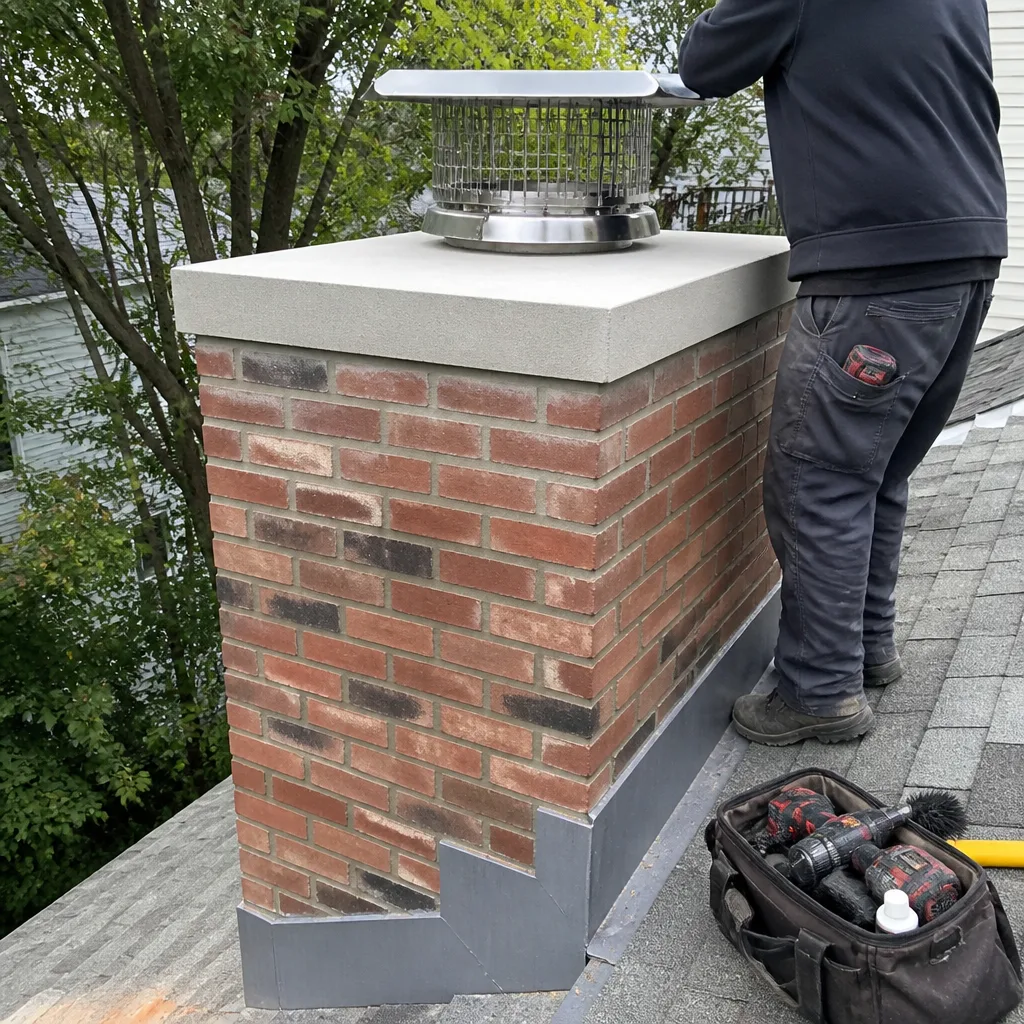 After
AfterSeasonal Chimney Cleaning Care for Newton: Year-Round Homeowner’s Guide
The chimney problem most likely to catch a Newton homeowner off guard in November wasn’t caused in October. It was caused by what happened to the mortar crown in March, when water that seeped into hairline cracks during the winter froze, expanded, and widened those cracks through half a dozen freeze-thaw cycles. That damage sat unnoticed through July’s humid stagnation and September’s early leaf drop, until the first cold snap sent a homeowner reaching for the fireplace switch and smoke curling back into the living room. Newton’s climate doesn’t divide cleanly into “heating season” and “off-season.” It delivers a specific sequence of stress events that each do different damage to a chimney, and a seasonal guide that actually helps matches tasks to those real local conditions.
Quick Answer
Newton homeowners should schedule chimney cleaning and inspection in early fall before October 15, check the crown and cap after March’s freeze-thaw cycles, monitor for humidity and animal intrusion during summer, and perform a post-season firebox inspection in April. See our Chimney Cleaning & Sweep Maintenance Checklist for Newton Homeowners for the full seasonal timeline. Annual professional sweeping removes creosote buildup that causes chimney fires, while seasonal checks catch weather-specific damage before it becomes expensive. In Newton’s climate, skipping the spring crown inspection is the single most expensive mistake a homeowner can make.
Table of Contents
- Spring: The Hidden Damage Season in Newton
- Summer: Humidity, Stagnation, and Unwanted Guests
- Early Fall: Why October 15 Matters for Newton Scheduling
- Active Heating Season: Mid-Season Warning Signs
- Late Season Wind-Down: Protecting Through the Newton Spring
- What Seasonal Chimney Care Costs in Newton
- What Homeowners Can Check vs. What Requires a Pro
- Common Mistakes to Avoid
Spring: The Hidden Damage Season in Newton
March in Newton delivers what structural engineers call “freeze-thaw cycling” and what we call the reason we stay busy through April. Temperatures swing from the twenties to the fifties and back again, sometimes within a single week. Water that found its way into mortar joints, crown cracks, or brick pores during winter freezes overnight, expands by about nine percent, and thaws the next afternoon. Repeat that cycle twenty or thirty times across a Newton spring, and hairline cracks become quarter-inch gaps. Quarter-inch gaps become channels that funnel water straight to the flue liner.
The crown check in April is the highest-value five minutes of the chimney year. Here’s what we look for:
- Hairline cracks on the crown surface - These widen predictably if left alone. A crown sealant applied in April prevents a $1,800 rebuild in November.
- Missing or degraded mortar at the crown-to-flue joint - This gap is the direct path for water to reach the liner and smoke chamber.
- Spalling brick faces on the top two or three courses - The freeze-thaw damage is working downward. Caught early, individual bricks can be replaced. Ignored, the rebuild extends to the shoulder.
- Deteriorated or improperly sized chimney cap - A cap that doesn’t overhang the crown by at least two inches directs water onto the crown edges, accelerating damage.
In Newton’s older neighborhoods - Waban, Newton Centre, and parts of Newtonville where pre-war construction is common - we’ve seen chimneys that went from sound to needing major rebuild work in a single spring. The 1920s brick in those areas is often softer than modern clay brick, more porous, and more vulnerable to freeze-thaw spalling. Russell Haines has documented cases on Walnut Street and Beacon Street where the crown crack was visible from the ground by May but went unreported until October’s first fire revealed the damage.
Spring is also when we recommend the post-season firebox inspection. After the last fire, ash and soot hold moisture against the firebrick. In Newton’s humid spring, that moisture accelerates deterioration of the refractory panels. A quick vacuum and visual check, followed by leaving the damper cracked open for ventilation, prevents a musty, acidic environment that degrades metal components.
One more Newton-specific note: the city’s tree canopy is dense, particularly in Chestnut Hill and Oak Hill. Spring storms drop branches, and we’ve replaced more chimney caps in May than any other month. A walk-around after each significant storm takes two minutes and can save the cost of a cap replacement plus the water damage that follows.
Summer: Humidity, Stagnation, and Unwanted Guests
July in Newton doesn’t feel like chimney season, which is exactly why it’s when the most insidious problems develop. An unused flue becomes a vertical cave: cool, dark, and protected from rain by the cap. Humidity averages seventy percent through July and August, and without regular draft to move air, that moisture stagnates inside the flue. It condenses on metal liners, accelerates rust on damper plates, and softens any remaining creosote deposits into a corrosive paste.
The interaction between humidity and animal intrusion is what catches Newton homeowners off guard. Here’s how it typically unfolds:
- A squirrel or raccoon displaces a loose cap or finds a gap at the crown edge in late May or early June
- The animal builds a nest in the flue, introducing organic material that holds moisture
- That moisture, combined with humid air, creates a damp environment that degrades the liner surface
- By September, the animal has left or died, but the nest remains, blocking the flue
- The first October fire sends smoke into the living room, and the homeowner discovers the problem under pressure
The specific signs that something got in during the off-season are easy to spot if you know to look. Bird droppings or nesting material on the roof near the chimney base. A cap that sits crooked or has visible chew marks. Chirping or scratching sounds in the morning or evening, when animals are most active. A musty odor from the fireplace even when it hasn’t been used. In Newton, where raccoon populations are dense along the Charles River corridor and through the wooded sections of Auburndale and Newton Highlands, we remove three to four nests per week in September.
Summer is also the right time for a Level-2 camera inspection if one wasn’t performed in spring. The flue is cool, the lighting conditions are consistent, and there’s no urgency. We use professional-grade camera systems to document the full length of the flue, and homeowners receive photos they can see with a plain-English verdict on what needs attention before burning season. Materials from Chimney Repair in Newton like Gelco caps and Copperfield sealants can be installed in summer without the scheduling pressure of fall.
One practical step for Newton homeowners: run the central air with the damper closed, and you create negative pressure that can draw humid attic air down the flue. Crack a window near the fireplace or leave the damper slightly open with a chimney balloon installed to block airflow while allowing minimal ventilation.
Early Fall: Why October 15 Matters for Newton Scheduling
Every year, the pattern repeats. After Labor Day, our phone volume at Hearthstone Chimney Co. home increases gradually through September, then spikes sharply in the second week of October when the first real cold front drops temperatures into the forties. Newton homeowners who haven’t scheduled their annual cleaning discover that appointment availability stretches to three or four weeks, and they’re choosing between delaying their first fire or paying premium rates for emergency scheduling.
We recommend booking chimney cleaning and inspection before October 15 for specific, local reasons:
- Contractor availability - Newton has a finite number of certified chimney sweeps relative to its housing stock. The good ones book solid by mid-October.
- First-use risk - The first fire of the season is the most dangerous. It ignites any accumulated creosote, tests the integrity of the liner after summer’s humidity exposure, and often reveals problems that developed since spring.
- Repair lead times - If the inspection reveals crown damage, liner deterioration, or cap failure, materials need to be ordered and work scheduled. A mid-September booking allows six weeks for repairs before reliable cold arrives.
- Newton’s early cold snaps - The city’s inland position relative to Boston proper means it experiences sharper temperature drops. We’ve had years where the first sustained cold arrived October 10, and homeowners with uninspected chimneys faced the choice of freezing or risking an unsafe fire.
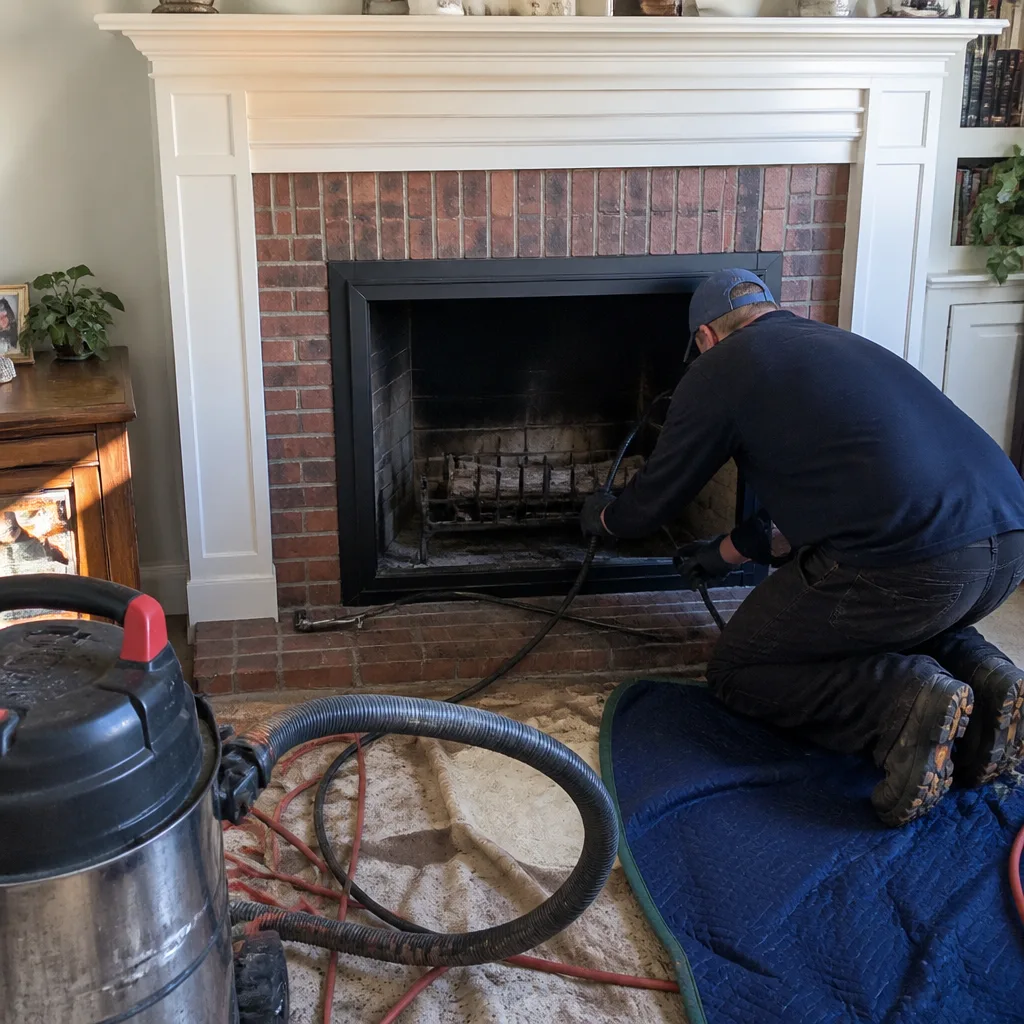
What happens during a pre-season professional cleaning matters. Our technicians use rotary brushes sized to the flue diameter, not the one-size-fits-all tools that leave deposits on the walls. Creosote is removed to NFPA 211 standards. The inspection includes the firebox, smoke chamber, damper, flue liner, crown, cap, and exterior masonry. Photos are taken at every stage. The homeowner receives documentation they can reference, not a verbal summary they have to trust.
The $89 Seasonal Tune-Up we offer covers this full cleaning and inspection for standard fireplaces. For homeowners with wood stoves or inserts, the process is similar but requires additional attention to baffles and gaskets. No-hassle upfront pricing means the number on the estimate is the number on the invoice. We’ve served Newton for over 42 years, and we plan to be here in thirty more - that changes how you treat every customer.
Active Heating Season: Mid-Season Warning Signs
Once the fireplace is in regular use, Newton homeowners should know the difference between normal operation and signals that something has gone wrong. The mid-season indicators we urge people never to ignore fall into three categories: draft problems, combustion problems, and structural problems.
Downdraft odors are the most common complaint we receive between December and February. A properly drafting chimney pulls air up and out. When it reverses, the smell of creosote, ash, and cold, damp flue enters the living space. In Newton, downdrafts often result from pressure imbalances caused by tight modern construction combined with powerful kitchen and bathroom exhaust fans. But they can also signal a blocked flue, a damaged liner, or a chimney too short for its exposure to wind patterns off the Charles River. If opening a window near the fireplace eliminates the odor, it’s likely a pressure issue. If it persists, the chimney needs professional evaluation.
Smoke rollback is more serious. Any smoke entering the room indicates incomplete venting. Possible causes include creosote blockage, a stuck or damaged damper, a flue liner that has shifted or collapsed, or a chimney fire that has damaged the flue surface. We do not recommend continuing to use a fireplace that has rolled smoke. The risk of carbon monoxide infiltration is real, and CO is odorless, colorless, and potentially fatal.
Visible soot on the damper plate or firebox walls beyond normal ash accumulation suggests poor combustion. The firewood may be insufficiently seasoned, the damper may not be opening fully, or the flue may be undersized for the fireplace opening. In Newton, where many homeowners burn wood from backyard trees or purchased cords of uncertain provenance, moisture content is often the culprit. Wood should be seasoned at least twelve months and show cracks at the ends. A moisture meter reading above twenty percent means the wood will produce excessive creosote and incomplete combustion.
One Newton-specific factor: the city’s elevation varies significantly, from the low-lying Charles River floodplain in Auburndale to the hills of Chestnut Hill. Chimneys at higher elevations experience stronger wind exposure and may need taller flues or specialized caps to maintain consistent draft. We’ve installed Fireplace Services in Newton with Olympia Chimney components in homes on Hammond Street and Commonwealth Avenue where standard solutions failed due to wind patterns.
If you notice any of these indicators, discontinue use and call for inspection. The 90-Day Done Right Promise covers any work we perform - if it’s not right, we make it right, in writing, no arguing.
Late Season Wind-Down: Protecting Through the Newton Spring
The last fire of the year deserves as much attention as the first. In Newton, where burning season typically ends in March or early April, the wind-down period sets up how the chimney weathers the spring and summer ahead.
Here’s the sequence we recommend:
- Let the firebox cool completely - Minimum 24 hours after the last ember dies.
- Remove all ash - Ash holds moisture and becomes acidic over time. A complete vacuuming with a HEPA-rated ash vacuum prevents corrosion of metal components and staining of firebrick.
- Inspect the firebox walls and floor - Look for cracked refractory panels, deteriorated mortar joints, or rust stains that indicate water infiltration. Document with photos for comparison next season.
- Leave the damper cracked open - Two fingers’ width allows minimal airflow to prevent stagnation while blocking most animal entry. Alternatively, install a chimney balloon for a tighter seal with ventilation capability.
- Schedule the spring inspection - Book your April crown and cap check before contractors fill their calendars.
The post-season period is also when to address any repairs identified during the heating season but deferred due to use. Liner damage, crown cracks, or deteriorated mortar joints don’t improve with exposure to Newton’s spring rains and freeze-thaw cycles. We’ve seen homeowners wait until September to address problems noted in March, and the repair scope has doubled in cost.
For wood-burning inserts and stoves, the wind-down includes additional steps: inspect and replace door gaskets if they’re brittle or compressed, clean the glass with appropriate cleaner to prevent etching, and empty and inspect the ash pan. Pellet stoves require particular attention to the exhaust vent, where ash accumulation can harden into blockages over summer.
Russell Haines has observed that Newton homeowners who maintain this disciplined wind-down routine rarely experience the emergency calls that dominate our October schedule. The fifteen minutes of attention in April saves the stress of a smoky living room in November.
What Seasonal Chimney Care Costs in Newton
Pricing for chimney maintenance in Newton reflects the area’s housing stock, labor costs, and the specialized nature of the work. For a detailed breakdown, see our Chimney Cleaning Cost Breakdown: The Newton Homeowner’s Reference for 2026. Below are the ranges we see in the local market for standard services performed by licensed, insured professionals using professional-grade materials.
| Service | Newton Price Range | Notes |
|---|---|---|
| Annual chimney sweep and Level-1 inspection | $200 - $350 | Standard open fireplace; includes creosote removal and basic safety check |
| Level-2 camera inspection | $250 - $450 | Required for real estate transactions, after chimney fire, or for suspected damage; includes photos and written report |
| Crown sealant/repair (minor cracks) | $300 - $600 | Prevents rebuild; best done in spring or early fall |
| Chimney cap replacement | $250 - $550 | Stainless steel with proper overhang; Famco and Copperfield brands common in Newton |
| Firebox refractory panel replacement | $400 - $900 | Varies by insert model and accessibility |
| Chimney liner repair or replacement | $1,800 - $4,500 | Stainless steel relining with DuraFlex or HeatShield systems; major investment that prevents catastrophic failure |
| Full chimney rebuild (above roofline) | $3,500 - $8,000+ | Varies with height, accessibility, and matching existing brick |
These ranges reflect what reputable, established companies charge in Newton. Prices significantly below these thresholds often indicate uninsured operators, substandard materials, or scope cutting that leaves problems unaddressed. Our $89 Seasonal Tune-Up is an entry point for standard cleaning and inspection, not a substitute for needed repairs.
We offer four standing programs: $50 off any repair over $250, free second opinion on any written estimate, the $89 Seasonal Tune-Up, and a permanent five percent senior and veteran discount. No-hassle upfront pricing means we agree on the full scope and cost before work begins. The number on the estimate is the number on the invoice.
What Homeowners Can Check vs. What Requires a Pro
There’s a clear line between homeowner maintenance and professional work, and it runs at the point where safety risk begins. We’re plain about what you can handle yourself and what you shouldn’t attempt.
Homeowner-appropriate tasks:
- Visual inspection of the exterior from ground level - look for missing or shifted bricks, visible crown cracks, or a displaced cap
- Checking the damper operation - open and close fully, check for smooth movement
- Ash removal between professional cleanings, using proper ash vacuum or fully cooled ash
- Monitoring for animal sounds, odors, or debris
- Seasoned firewood selection and storage
Tasks requiring a certified professional:
- Any work on the roof, including cap inspection or crown evaluation - fall risk is significant, and damage assessment requires training
- Flue cleaning with rotary equipment - improper technique can damage liners or leave hazardous deposits
- Camera inspection of the flue interior - specialized equipment and interpretation required
- Liner repair or replacement - structural work affecting fire safety
- Crown rebuild or major masonry repair - structural integrity depends on proper materials and curing
Carbon monoxide and chimney fire risk make the professional category non-negotiable. A blocked or damaged flue can kill silently. We’ve responded to Newton homes where homeowners attempted DIY cleaning and compacted creosote into a more dangerous configuration, or damaged a clay liner with an improperly sized brush. For the regulatory requirements professionals must follow, see Chimney Cleaning Permits, Codes & Inspections in MA: What You Need to Know. The cost of professional service is minor compared to the consequences of getting it wrong.
Our background-checked, uniformed technicians complete most jobs in a single visit. Calls are answered by a live person 24 hours a day, 7 days a week - not voicemail, not a callback queue. When you reach us, you reach someone who can schedule, answer questions, or dispatch for emergencies.
Common Mistakes to Avoid
- Waiting for visible smoke problems before calling. By the time smoke enters the room, the underlying problem has progressed to an active hazard. Annual inspection catches issues before they reach this stage.
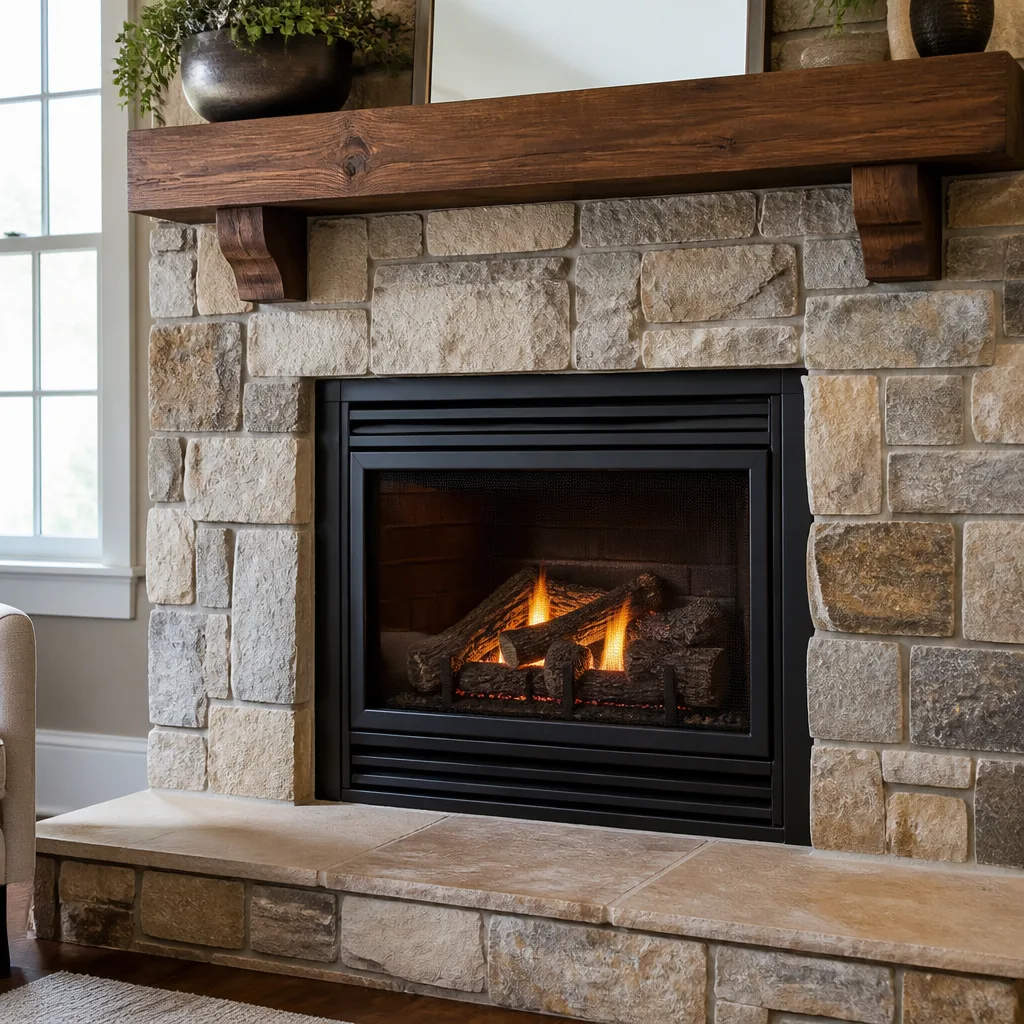
- Assuming a gas fireplace needs no maintenance. Gas units produce corrosive condensation, and their venting systems can deteriorate. Newton’s humid summers accelerate corrosion of metal vent components even when the unit isn’t used.
- Using the chimney as a vent for a new appliance without evaluation. We’ve seen homeowners in Newton Highlands connect bathroom exhaust fans or dryer vents to existing chimney flues, creating dangerous cross-connections and violating code.
- Ignoring the crown because “it’s just the top.” The crown is the roof of your chimney. Water that penetrates it flows down through the masonry, causing damage that appears first in the attic or on interior walls far from the source.
- Hiring based on lowest price without verifying insurance and certification. Massachusetts requires chimney sweeps to carry appropriate liability coverage. Uninsured operators leave homeowners exposed if damage occurs or if a worker is injured on their property.
- Scheduling repairs in peak season without alternatives. October through December is the worst time to discover you need major work. Spring and summer scheduling offers better availability, lower stress, and time to evaluate options.
- Neglecting the post-season wind-down. Ash left in the firebox through Newton’s humid summer becomes a corrosive paste that degrades metal and masonry. The fifteen minutes of cleanup in April prevents hundreds in repairs.
When to Call a Professional
Call a certified chimney professional when you notice any smoke entering the room, persistent odors from the fireplace when not in use, visible cracks in exterior masonry, a displaced or damaged cap, animal sounds or nesting debris, or if it has been more than twelve months since your last professional inspection. These indicators don’t resolve themselves, and delay typically increases both risk and repair cost.
Hearthstone Chimney Co. offers free estimates in Newton. Our Level-2 camera inspections end with photos you can see and a plain-English verdict. The 90-Day Done Right Promise governs every job: Krafted right, Every time, Your home first, Standing behind it. Call (857) 754-5607 to schedule. A live person answers every call, every hour, every day.
Frequently Asked Questions
A professional chimney sweep and Level-1 inspection in Newton typically costs between $200 and $350 for a standard open fireplace, with wood stoves and inserts running slightly higher due to additional components. The $89 Seasonal Tune-Up from Hearthstone Chimney Co. covers standard cleaning and inspection for qualifying fireplaces. Call (857) 754-5607 for exact pricing based on your specific setup - estimates are free.
The National Fire Protection Association recommends annual inspection for all chimneys, and cleaning as needed based on use and fuel type. In Newton, where many homeowners burn regularly through a five-month heating season, annual sweeping is the standard practice. Heavy use of unseasoned wood may require more frequent cleaning. We document creosote accumulation during each inspection and advise on timing for the next service.
A damaged liner should not wait. The liner protects combustible building materials from heat and contains combustion byproducts. Cracks or gaps create pathways for carbon monoxide and heat to reach framing, with potentially fatal consequences. We never recommend liner replacement without camera evidence you can see yourself, and we plainly state when observed damage allows safe continued use with monitoring. Nothing is sold on fear.
Skipped maintenance leads to creosote accumulation that fuels chimney fires, moisture damage that degrades masonry and metal components, and undetected liner deterioration that creates carbon monoxide risk. In Newton’s climate, freeze-thaw damage compounds silently through spring and manifests as expensive structural failure by fall. The cost of prevention is a fraction of the cost of rebuilding.
Homeowners can remove ash and perform ground-level visual inspection, but flue cleaning with rotary equipment requires training to avoid damaging liners or leaving hazardous deposits. Roof work for cap or crown inspection involves significant fall risk. Carbon monoxide and fire hazards make professional evaluation the prudent choice for anything beyond basic maintenance. We’re happy to show you what to watch for between professional visits.
Draft performance depends on chimney height, flue diameter, house airtightness, surrounding topography, and local wind patterns. Newton’s varied elevation, dense tree canopy, and proximity to the Charles River create localized conditions that affect draft differently by neighborhood. Homes in lower-lying areas or with shorter chimneys relative to roof peak often experience more downdraft issues. A professional evaluation identifies the specific cause and appropriate solution, which may include chimney extension, cap modification, or pressure balancing.
The Bottom Line
Newton’s climate delivers a distinct sequence of chimney stress events: freeze-thaw cycling in March, humid stagnation in July, early cold snaps in October. A homeowner who matches maintenance to these real conditions - spring crown inspection, summer intrusion monitoring, early fall professional cleaning, mid-season vigilance, disciplined post-season wind-down - avoids the emergency calls and major repairs that dominate our October schedule. Explore more guides & resources to keep your chimney safe year-round. The chimney problem most likely to catch you off guard in November was caused in March. Address it in April, and you’ll never face that November surprise.
Hearthstone Chimney Co. has served Newton and surrounding communities for over 42 years. We document every inspection with photos and a plain-English verdict, back every job with the 90-Day Done Right Promise in writing, and answer the phone with a live person 24 hours a day. Call (857) 754-5607 for a free estimate, or schedule your Chimney Cleaning & Sweep in Newton online.
Written by Russell Haines, Owner at Hearthstone Chimney Co., serving Newton since 2014.