
Last updated September 10, 2026
Level 1 sweep and inspection to the NFPA 211 annual standard - flue, crown, cap, and flashing checked and photographed
Chimney sweep logs do not sweep chimneys. They loosen some creosote - which then falls where a brush and vacuum still have to collect it.
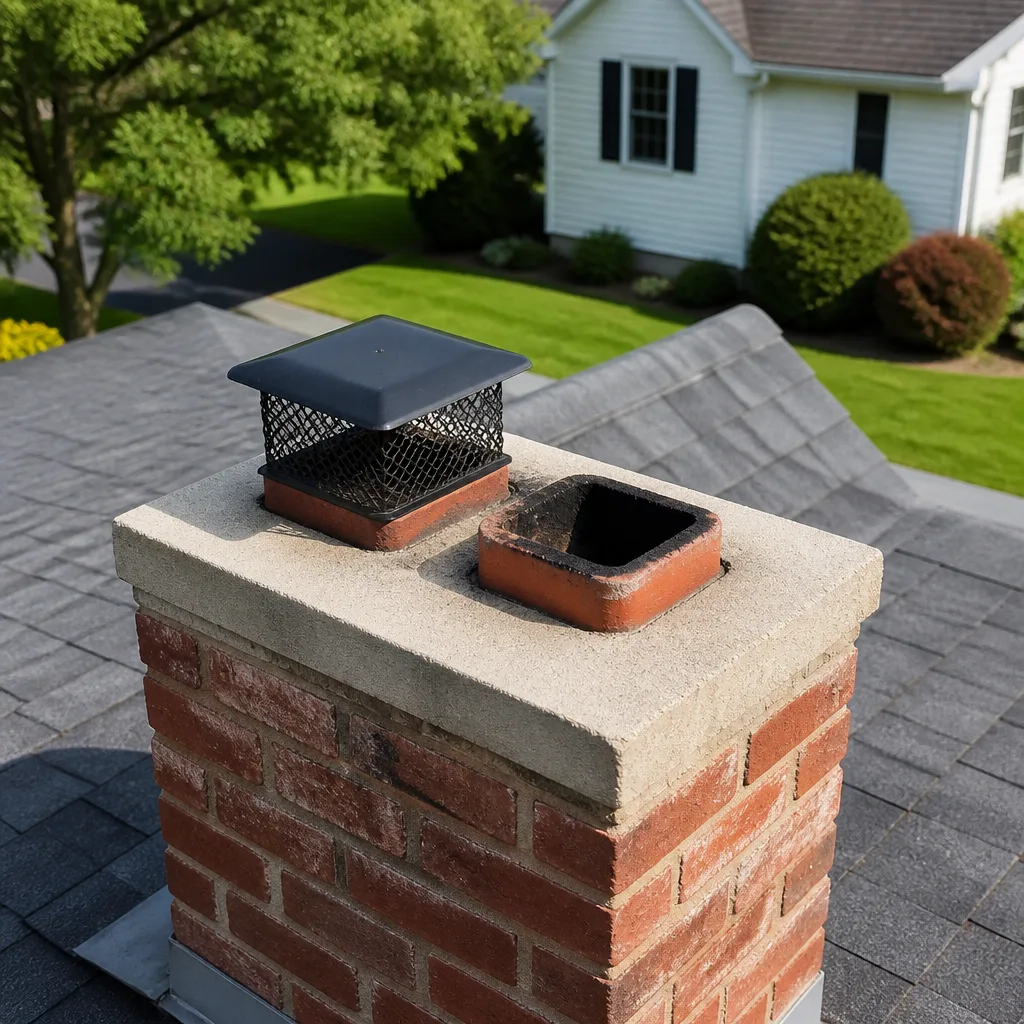
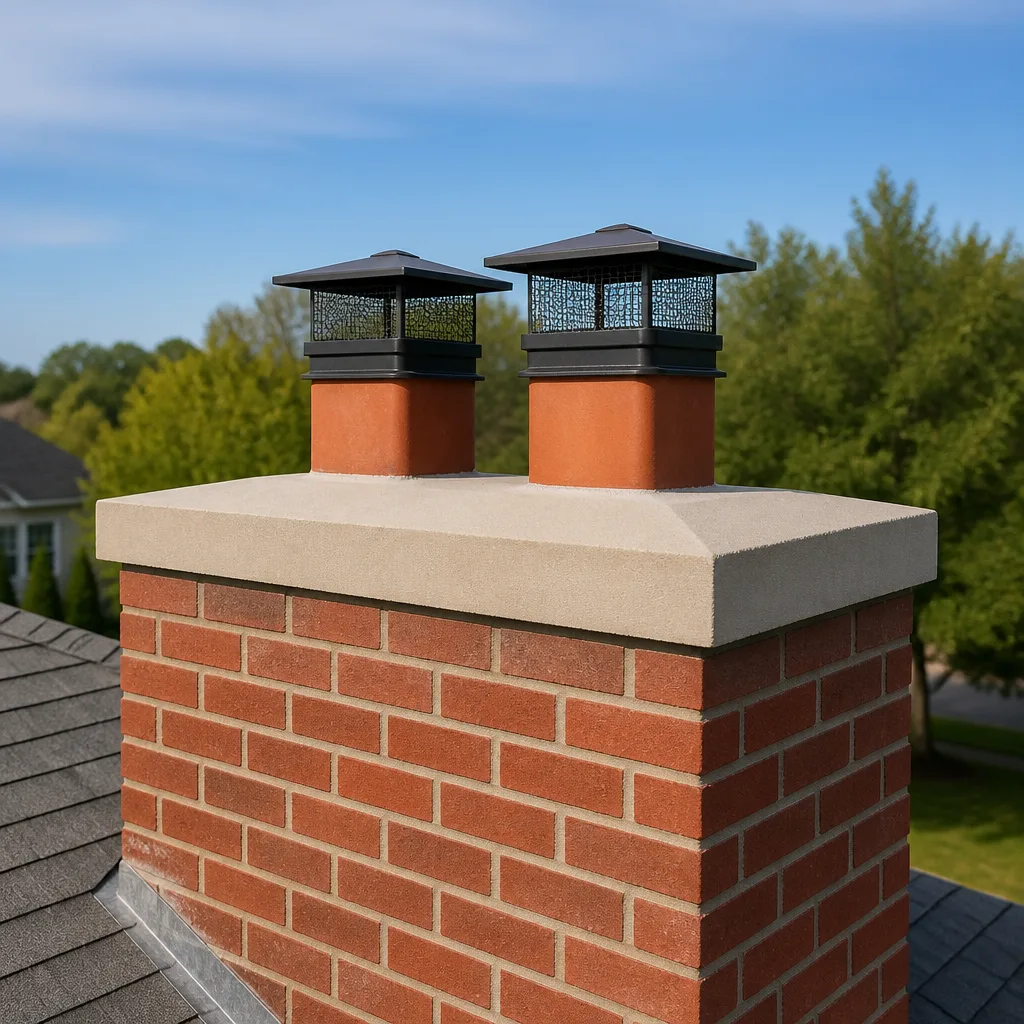
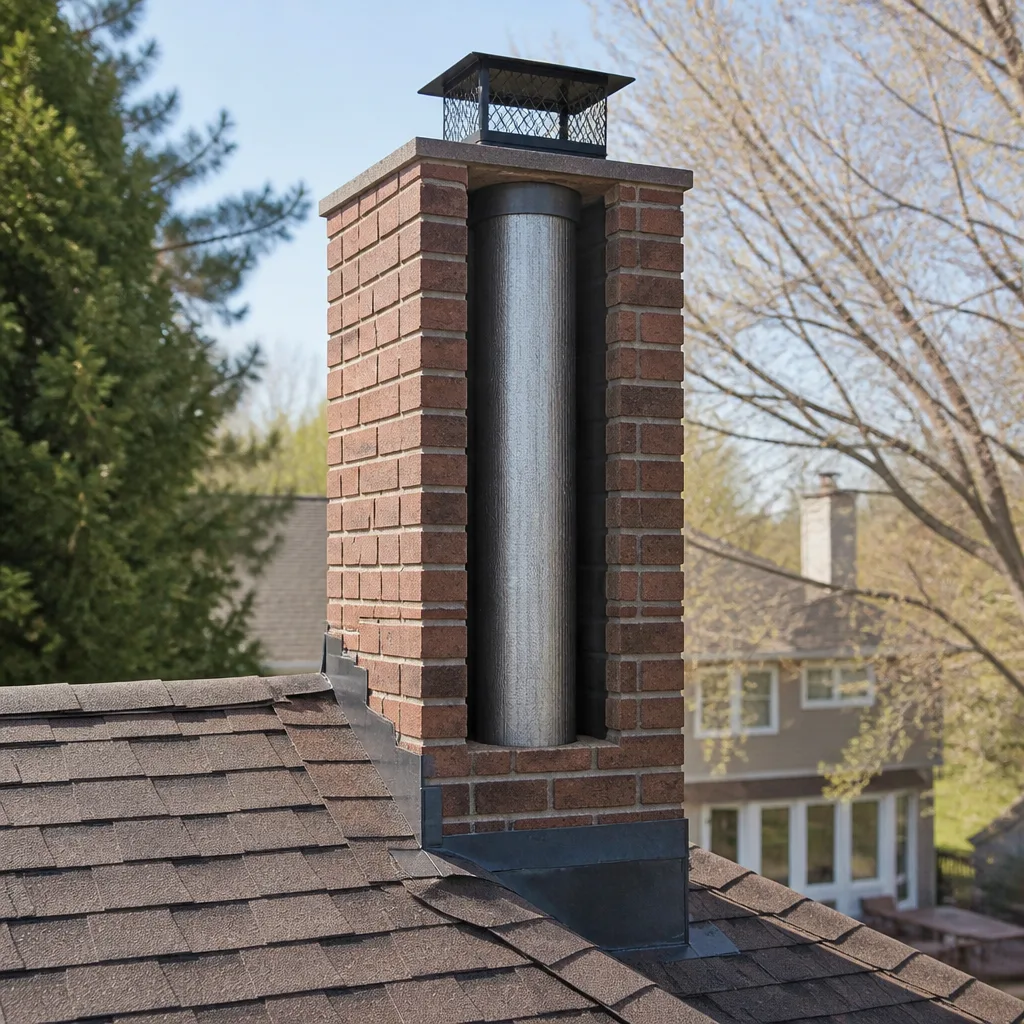
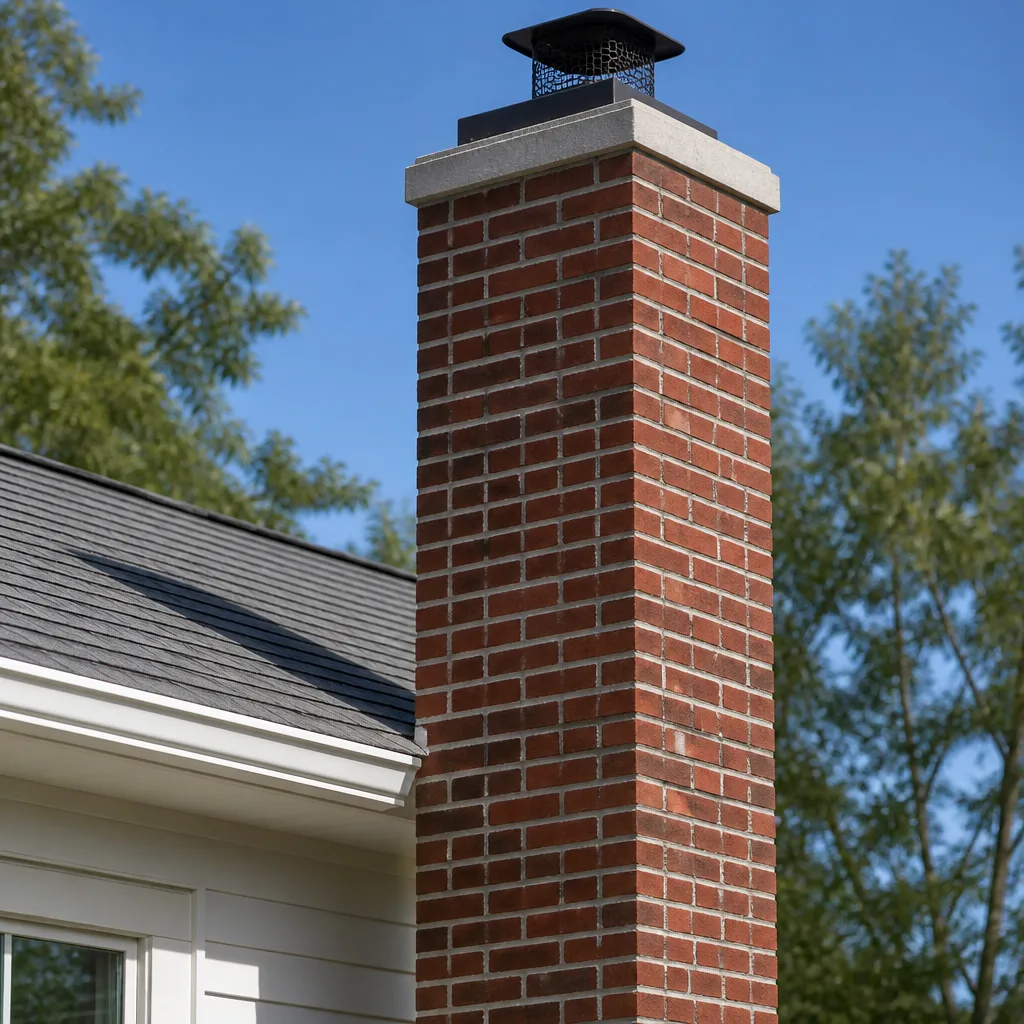
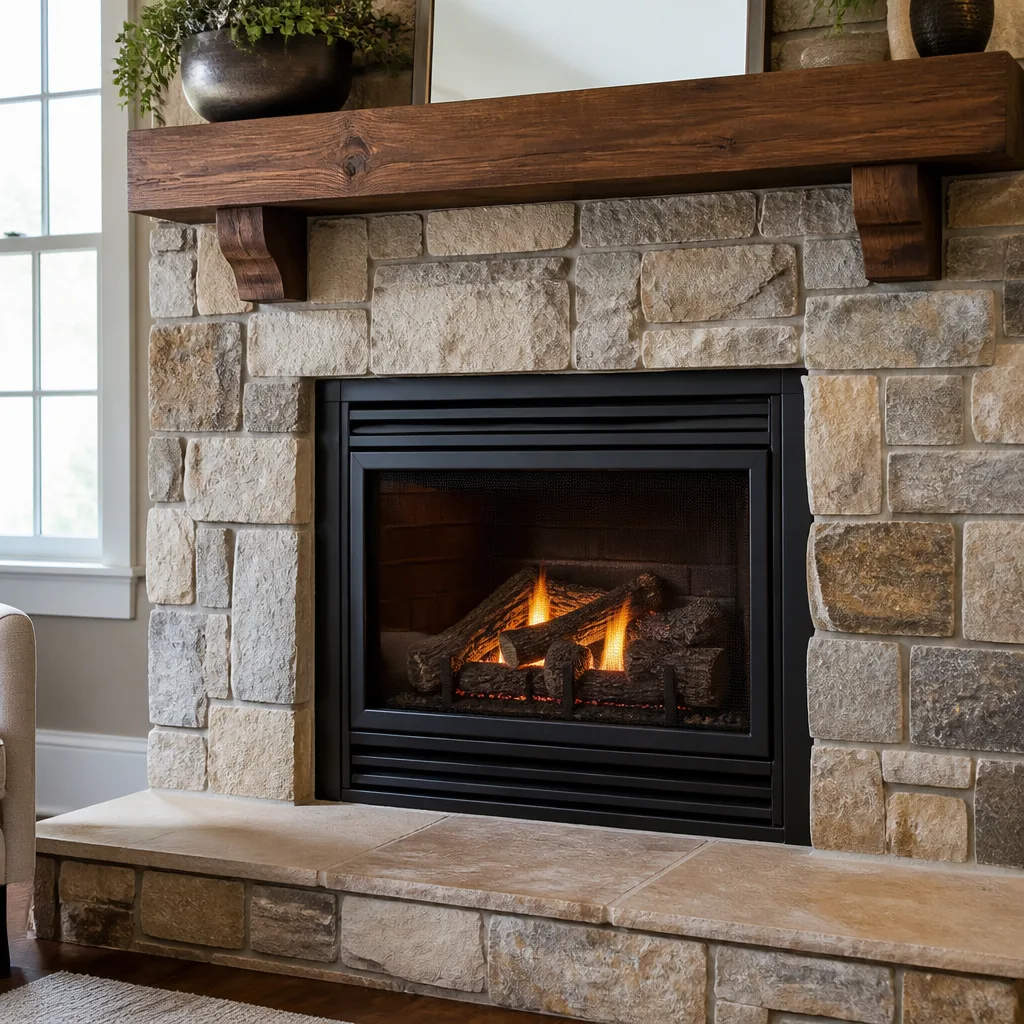
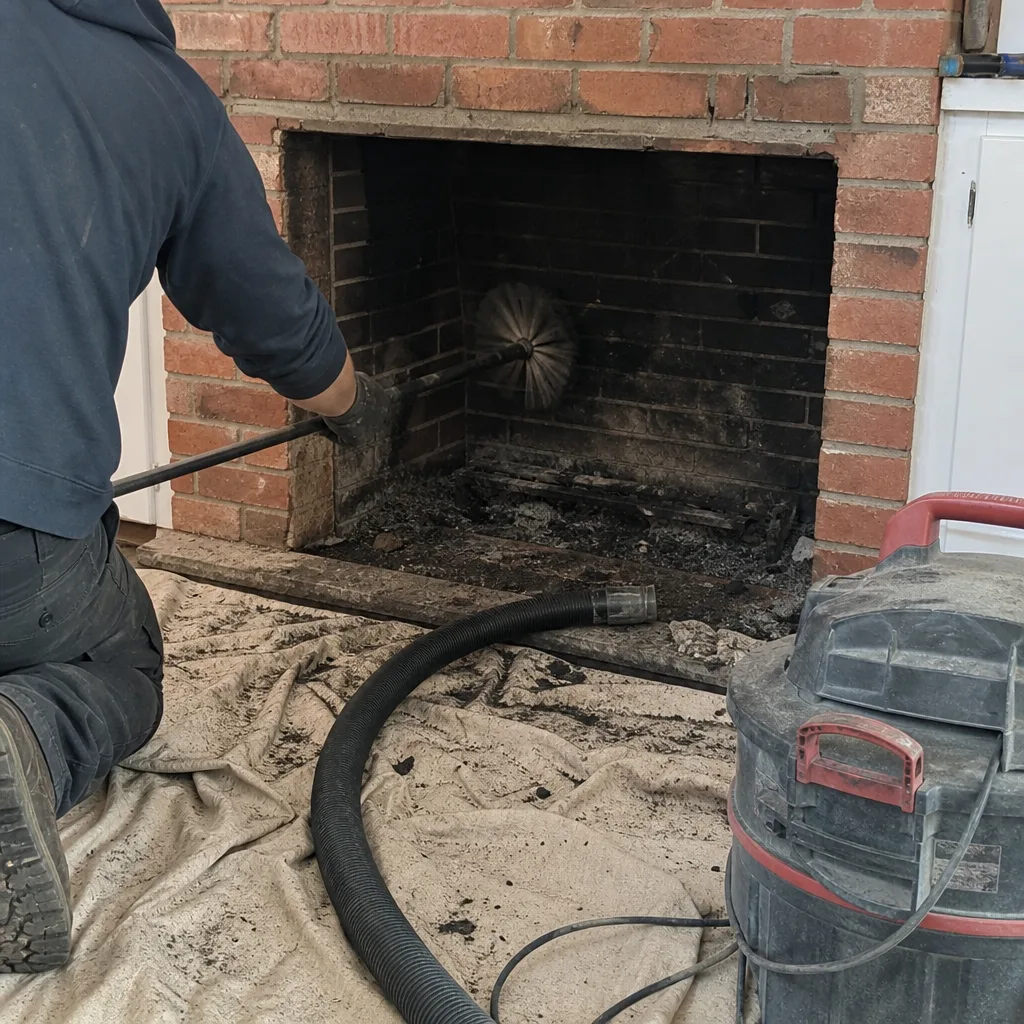 Before
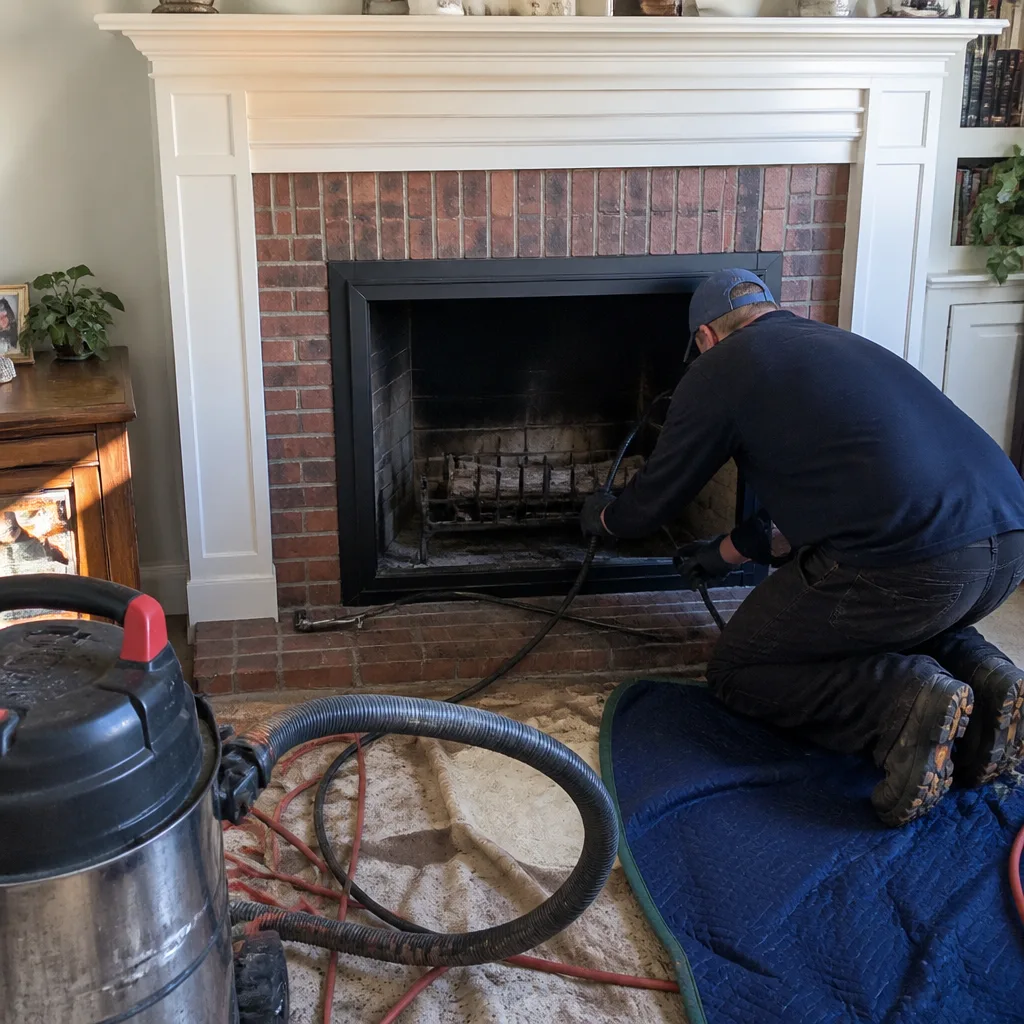 After
After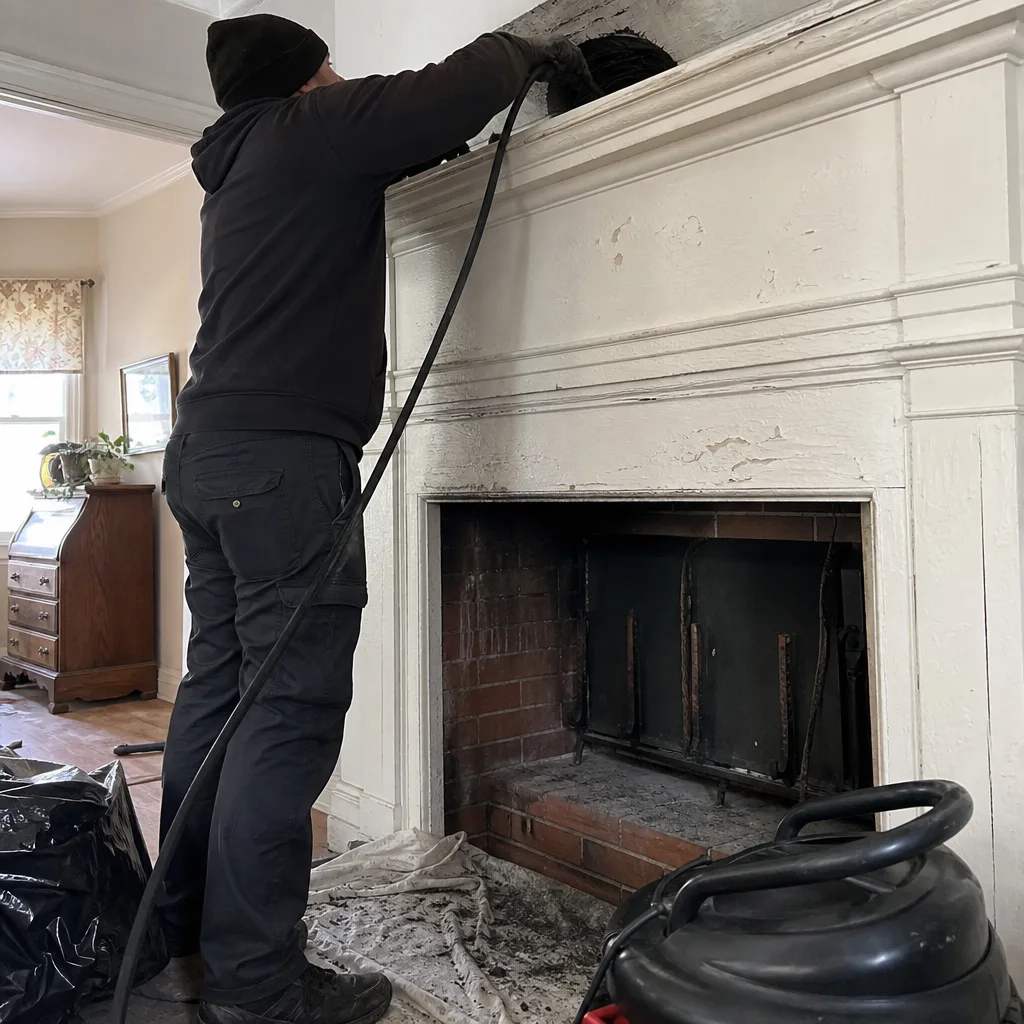 Before
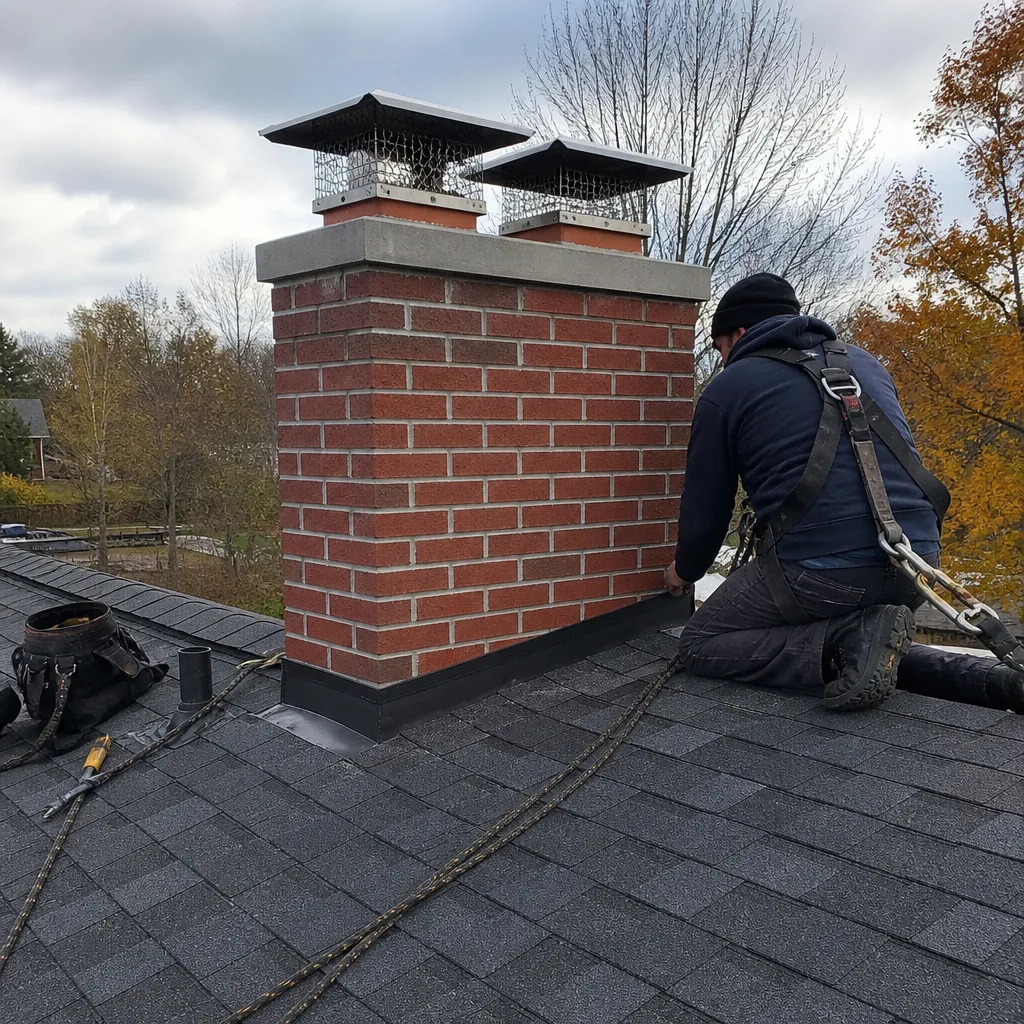 After
After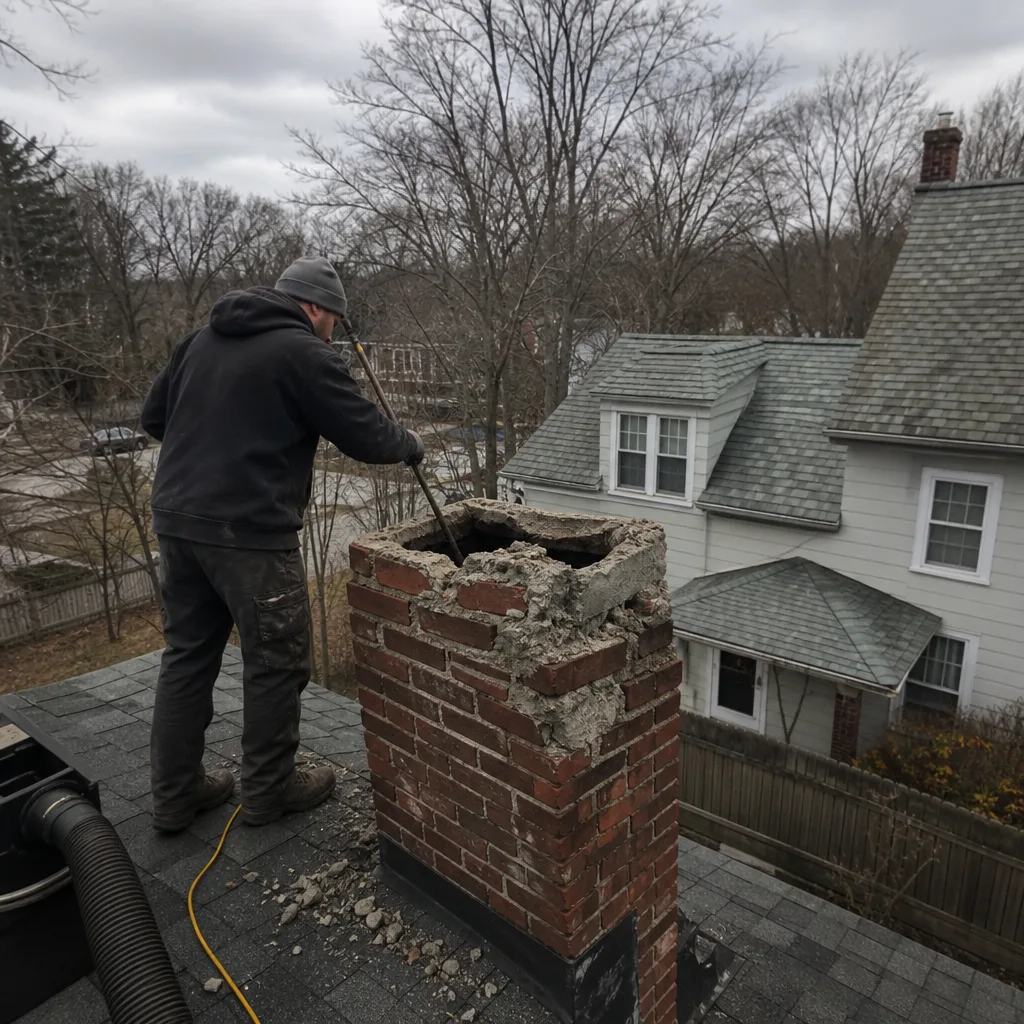 Before
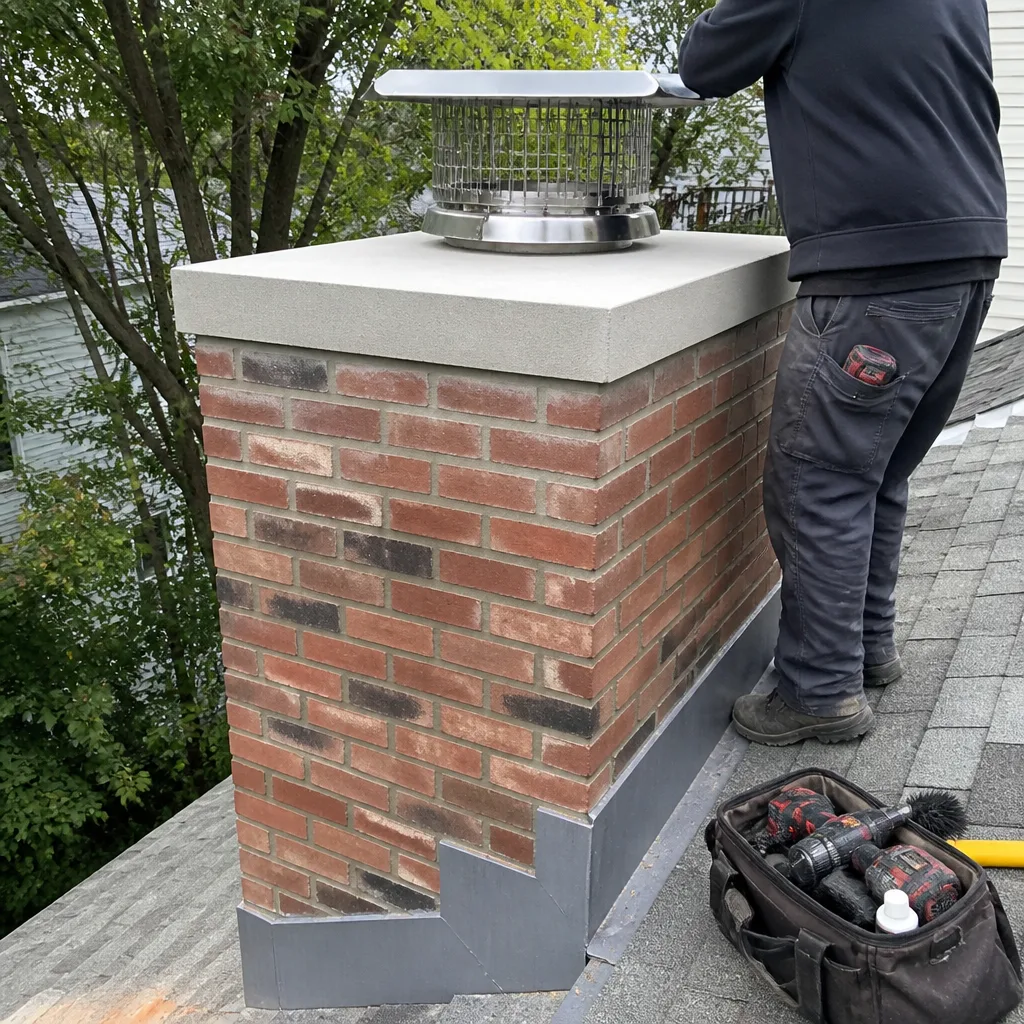 After
AfterChimney Cleaning Permits, Codes & Inspections in MA: What You Need to Know
Most Newton homeowners assume a chimney sweep never involves paperwork. For routine cleaning, that’s correct. But Massachusetts draws a sharp line between sweeping and alteration - and crossing it without documentation can surface years later when you’re selling your home. We’ve seen it happen. In our 42 years serving Newton and surrounding communities, we’ve reviewed inspection reports that stalled closings because a previous owner replaced a liner or rebuilt a firebox without pulling the proper permit. This guide - alongside our Complete Guide to Chimney Cleaning in Newton - maps exactly where Massachusetts law exempts routine maintenance, where it demands permits and inspections, and how to protect your property records before the work begins.
Quick Answer
Routine chimney cleaning and sweeping in Massachusetts do not require a building permit under 780 CMR. However, liner installation, firebox reconstruction, structural repairs, and cap or crown replacement that alters the chimney’s dimensions or appliance connection typically do require a permit and inspection. Newton’s Building Department enforces these thresholds through the state building code, and missing documentation can complicate real estate transactions.
Table of Contents
- Where the Line Is Drawn: Maintenance vs. Alteration Under 780 CMR
- How Newton’s Building Department Interprets State Code
- What NFPA 211 Actually Requires (And What Contractors Get Wrong)
- Why Chimney Inspection Records Matter at Closing
- Contractor Reports vs. Municipality-Recognized Inspections
- Step-by-Step: When You Need a Permit for Chimney Work
- Common Mistakes to Avoid
- When to Call a Professional
- Frequently Asked Questions
- The Bottom Line
Where the Line Is Drawn: Maintenance vs. Alteration Under 780 CMR
Massachusetts State Building Code, 780 CMR, governs all construction and alteration work in the Commonwealth. The code specifically exempts “ordinary repairs” and routine maintenance from permit requirements. For chimneys, this means your annual sweeping - the removal of creosote, debris, and obstructions - falls squarely in the exempt category. No permit. No inspection. No paperwork filed with the city.
The exemption ends when work becomes an “alteration.” Under 780 CMR 110.R5, an alteration is any construction or renovation that changes the structure, equipment, or use of a building or system. Applied to chimneys, this includes:
- Liner installation or replacement, including flexible stainless steel liners from brands like DuraFlex or rigid systems from Olympia Chimney
- Firebox reconstruction, whether partial rebuild or complete replacement
- Crown replacement that changes dimensions or structural profile
- Cap installation that modifies draft characteristics or spark arrestor requirements
- Structural repairs to the chimney stack, including partial rebuilds or reinforcement
- Thimble or connector modifications that change appliance attachment points
Here’s where Newton’s older housing stock complicates matters. Many homes in Newtonville, Nonantum, and Waban were built between 1880 and 1940 with unlined brick chimneys. A routine sweep in these systems often reveals deteriorated flue tiles or exposed mortar joints - one of the chimney cleaning warning signs Newton homeowners should watch for. The sweep becomes a discovery mission. If your sweep recommends a liner - and for an unlined masonry chimney serving a wood-burning appliance, NFPA 211 typically does - that recommendation triggers the alteration threshold.
We’ve documented this transition hundreds of times in Newton. Our Level-2 camera inspection reveals the condition inside the flue. You see the photos. We explain the plain-English verdict: this chimney is safe for continued use, or it requires alteration work that will need permitting. No surprises. The number on the estimate is the number on the invoice.
The critical distinction: the sweep itself never needs a permit. The work that the sweep reveals as necessary often does. Many homeowners miss this two-step logic and assume the entire project is maintenance-exempt.
How Newton’s Building Department Interprets State Code
Newton’s Building Department operates under the authority of 780 CMR but applies specific local procedures for chimney work permits and inspections. Understanding these procedures saves time and prevents rework.
For chimney alterations, Newton requires a building permit application with detailed scope description. The department distinguishes between:
- Mechanical permits for appliance connections and venting modifications
- Structural permits for masonry rebuilds, crown replacement, or dimensional changes
- Combination permits for projects involving both, such as complete fireplace restoration
Newton’s inspectors focus particular attention on liner installations in historic districts. Homes in Auburndale, Chestnut Hill, and parts of Newton Centre fall under additional review protocols. The city wants to ensure that exterior modifications remain visually compatible, even for components like caps and crowns that might seem minor.
In our experience, Newton’s building officials are thorough but reasonable. They want documentation that the work meets 780 CMR and manufacturer’s specifications. For liner installations using DuraFlex or Olympia Chimney systems, this means submitting the product specification sheet with the permit application. For firebox rebuilds using HeatShield refractory products, the inspector will verify proper cure times and thickness application.
Newton does not require a separate municipal chimney inspection for routine maintenance. However, the city does require a final inspection for all permitted alteration work before the permit can be closed. This inspection produces a signed certificate that becomes part of your permanent property record.
One Newton-specific wrinkle: the city participates in the Massachusetts Board of Building Regulations and Standards (BBRS) uniform code enforcement. This means Newton inspectors reference current NFPA 211 editions directly, not outdated local amendments. Contractors who cite “Newton’s special requirements” for routine work are often overstating complexity to justify pricing.
What NFPA 211 Actually Requires (And What Contractors Get Wrong)
NFPA 211, Standard for Chimneys, Fireplaces, Vents, and Solid Fuel-Burning Appliances, is the referenced standard throughout 780 CMR. Massachusetts inspectors use it as the technical benchmark for compliance. Yet we’ve encountered widespread misrepresentation of what NFPA 211 actually mandates.
What NFPA 211 actually requires in writing:
- Annual inspection of chimney systems in active use - Level-1 for maintained systems, Level-2 for new property purchases, after chimney fires, or when altering the system
- Cleaning when deposits exceed 1/8 inch of creosote or when obstruction is present
- Liners for all masonry chimneys serving solid fuel appliances, with specific material and sizing tables based on appliance type and flue dimensions
- Clearance to combustibles maintained per manufacturer specifications and tested assembly listings
- Documentation of inspection findings, including accessible portions of the system and any defects
What contractors commonly claim NFPA 211 says:
- That every chimney “must” be lined regardless of fuel type or appliance - false; gas appliances venting into properly sized masonry flues may not require liners
- That camera inspection is “required annually” - false; Level-2 inspection is situational, though we recommend it for Newton’s aging housing stock
- That specific brands are “code required” - false; code references performance standards, not proprietary products
- That DIY cleaning “voids insurance” - false; no such blanket provision exists in standard policies
The standard’s actual language on liners is precise. Section 12.6 requires liners for masonry chimneys serving solid fuel-burning appliances, with exceptions for listed masonry chimney systems and certain factory-built fireplaces. For oil and gas appliances, the standard references appliance manufacturer instructions and venting tables - not automatic liner mandates.
We’ve built our practice on reading the standard literally, not expansively. When we recommend a DuraFlex liner or HeatShield resurfacing, we cite the specific NFPA 211 section that applies to your system. You get photos you can see and a plain-English verdict tied to actual code language. Done right - and we stand behind it.
Why Chimney Inspection Records Matter at Closing
Massachusetts real estate transactions increasingly involve chimney documentation requests. In Newton’s competitive market, where homes routinely attract multiple offers, any gap in property records becomes leverage for buyer negotiation or lender concern.
We’ve reviewed pre-purchase inspection reports for Newton homes where the chimney section flagged “unpermitted liner installation” or “no documentation of recent service.” These notations don’t kill deals, but they delay them. Buyers’ attorneys request certificates. Sellers scramble for paperwork. The closing date pushes.
What MA real estate attorneys commonly request:
- Proof of recent cleaning - typically within 12 months of listing, especially for wood-burning fireplaces
- Documentation of any liner installation - permit, inspection certificate, and installer warranty
- Fireplace inspection report - increasingly, buyers want independent assessment beyond the general home inspection
- Service history - evidence of ongoing maintenance, not one-time fixes
In Newton’s older neighborhoods - particularly Oak Hill, Newton Highlands, and the Lake area - chimneys are original to homes built before modern liner requirements. A seller who installed a liner 15 years ago without pulling a permit may face a buyer’s attorney who understands 780 CMR alteration thresholds. The absence of a permit certificate triggers questions: Was the work done to code? Was it inspected? Will my insurance cover it?
We’ve helped Newton homeowners reconstruct documentation retroactively. It’s possible but never ideal. The building department may require opening walls or removing caps to verify concealed work. Costs escalate. Timelines compress.
The preventive solution is simpler: permit alteration work when it happens, retain certificates with your deed records, and maintain annual inspection documentation. Our Level-2 inspections produce dated, photo-documented reports that satisfy most pre-sale inquiries. In writing, no arguing.
Contractor Reports vs. Municipality-Recognized Inspections
Not all chimney inspection documents carry equal weight. Understanding the difference protects you in transactions and disputes.
Contractor-issued inspection reports document the condition of your system at a specific date. A thorough report includes:
- Photos of accessible flue surfaces, firebox, damper, smoke chamber, and exterior
- Measurements of creosote deposits, clearances, and structural dimensions
- Plain-English assessment of defects and recommended actions
- Company credentials and technician identification
These reports serve maintenance planning, warranty claims, and pre-sale disclosure. They demonstrate due diligence. But they are not legal certificates of code compliance. A contractor’s opinion, even from a licensed sweep, does not substitute for municipal inspection of permitted work.
Municipality-recognized inspections occur when a building official or authorized inspector verifies permitted work against approved plans and code requirements. The output is a signed inspection certificate, typically with a sticker or stamp referencing the permit number. This certificate:
- Becomes part of permanent property records searchable by future buyers
- May be required by insurers for certain coverage levels
- Provides legal defense in liability disputes involving chimney performance
- Is referenced directly in standard Massachusetts purchase and sale agreements
When each matters: For routine maintenance and condition assessment, contractor reports suffice. For alteration work - liner installation, rebuilds, structural repair - the municipal certificate is essential. We’ve encountered Newton homeowners who believed their contractor’s “inspection certificate” satisfied code requirements, only to learn at closing that only the building department’s signature carried weight.
Our practice bridges this gap. We document every inspection with photos and a plain-English verdict for your records. When work requires permitting, we coordinate with Newton’s Building Department to ensure proper inspection and certificate issuance. A square deal: no surprises on the bill, no gaps in your paperwork.
Step-by-Step: When You Need a Permit for Chimney Work
Use this decision framework before scheduling chimney work in Newton:
- Identify the scope precisely. Sweeping, debris removal, and minor mortar pointing are maintenance. Liner installation, firebox rebuild, crown replacement, cap installation that alters dimensions, and structural repair are alterations.
- Check 780 CMR applicability. Maintenance is exempt. Alterations require permits. When in doubt, Newton’s Building Department will confirm by phone - though we can assess this during our inspection.
- Determine permit type. Mechanical for venting changes, structural for masonry work, combination for integrated projects.
- Submit application with specifications. Include manufacturer data for products like DuraFlex liners, HeatShield refractory, or Famco caps. Newton requires this for approval.
- Schedule rough inspection if required. Liner installations typically need mid-point verification before final closure.
- Complete work and request final inspection. Building official verifies compliance with approved plans and 780 CMR.
- Retain certificate with property records. Store with deed, insurance policies, and other permanent documents.
For routine annual sweeping in Newton - which most homeowners need before burning season - steps 2 through 7 do not apply. Schedule your sweep, receive our documented inspection report, and burn with confidence.
Common Mistakes to Avoid
- Assuming all chimney work is maintenance-exempt. The 780 CMR exemption is narrow. Liner installation is the most commonly unpermitted alteration we encounter in Newton home sales.
- Accepting verbal assurance that “Newton doesn’t enforce this.” Enforcement patterns change with staffing and leadership. Permitted work protects you regardless of current enforcement intensity.
- Discarding inspection certificates. We’ve helped homeowners who treated building department paperwork as disposable. Retain all certificates permanently.
- Confusing contractor warranties with code compliance. A lifetime liner warranty from the installer does not substitute for municipal inspection of the installation.
- Waiting until listing to discover documentation gaps. Pre-sale chimney assessments in Newton often reveal unpermitted work from prior owners. Address this during ownership, not during transaction stress.
- Hiring based on lowest price without permit verification. Contractors who skip permitting may underbid legitimate operations. The savings evaporate when you pay for retroactive compliance.
- Neglecting annual inspection after permitted work. A 2020 liner installation with proper certificates still needs ongoing maintenance. NFPA 211’s annual inspection requirement continues regardless of past compliance.
When to Call a Professional
Contact a qualified chimney professional when you’re uncertain whether proposed work crosses the maintenance-alteration threshold, when buying or selling a home in Newton and chimney documentation is incomplete, after any chimney fire or significant weather event, or when your annual inspection reveals conditions beyond routine cleaning scope.
Hearthstone Chimney Co. offers free estimates in Newton - call (857) 754-5607. We’ll assess your system, explain where your project falls in the permit landscape, and document everything with photos you can see and a plain-English verdict. Most jobs are completed in a single visit by our background-checked, uniformed technicians. Our 90-Day Done Right Promise covers every project in writing, no arguing.
Frequently Asked Questions
No. Annual chimney cleaning and sweeping are classified as routine maintenance under 780 CMR and are explicitly exempt from building permit requirements throughout Massachusetts, including Newton. Call (857) 754-5607 to schedule your seasonal sweep - estimates are free.
Our $89 Seasonal Tune-Up covers standard sweeping and basic inspection for most Newton homes. Projects requiring Level-2 camera inspection or addressing specific defects are quoted upfront with no-hassle pricing. The number on the estimate is the number on the invoice. Call (857) 754-5607 for exact pricing based on your system.
You need a liner if your masonry chimney serves a solid fuel appliance and lacks an approved liner system, or if your existing liner is damaged beyond repair - conditions we verify with camera inspection and document with photos. Not every chimney needs a liner; some gas installations may comply without one. We’ll show you exactly what your flue contains and explain the specific NFPA 211 section that applies. Call (857) 754-5607 for a free assessment.
NFPA 211 requires annual inspection; cleaning frequency depends on use and deposit accumulation. Most Newton homeowners with active wood-burning fireplaces need annual sweeping before the heating season. Oil and gas systems typically require less frequent cleaning but still benefit from annual inspection, particularly in Newton’s older homes where masonry deterioration is common.
Skipped maintenance allows creosote accumulation, which increases chimney fire risk, and permits masonry deterioration that can lead to carbon monoxide leakage into living spaces. In Newton’s freeze-thaw climate, minor crown cracks become major structural failures within two to three seasons. The cost of deferred maintenance typically exceeds preventive care by significant margins. Call (857) 754-5607 for a free condition assessment.
It can. Massachusetts purchase and sale agreements increasingly include chimney disclosure requirements. Buyers’ attorneys may request permits and inspection certificates for any alteration work. Missing documentation triggers delays, price negotiations, or requirements for retroactive inspection. We’ve reviewed Newton transactions where unpermitted liner installations from prior owners required $2,000-$4,000 in verification work before closing.
The Bottom Line
Massachusetts law exempts routine chimney sweeping from permits, but draws a clear, enforceable line at alteration work. Newton’s Building Department applies this standard through 780 CMR, and missing documentation surfaces at the worst possible moment - during home sale negotiations. Protect yourself by understanding where maintenance ends and alteration begins, permitting work that requires it, and retaining certificates with your permanent records. Annual inspection by a qualified professional catches conditions before they become compliance problems. Explore more guides & resources on chimney care and compliance. We’ve served Newton for over 42 years with documented inspections, upfront pricing, and work backed by our 90-Day Done Right Promise in writing. No arguing. We’ll be there when we say.
Written by Russell Haines, Owner at Hearthstone Chimney Co., serving Newton since 2014.