
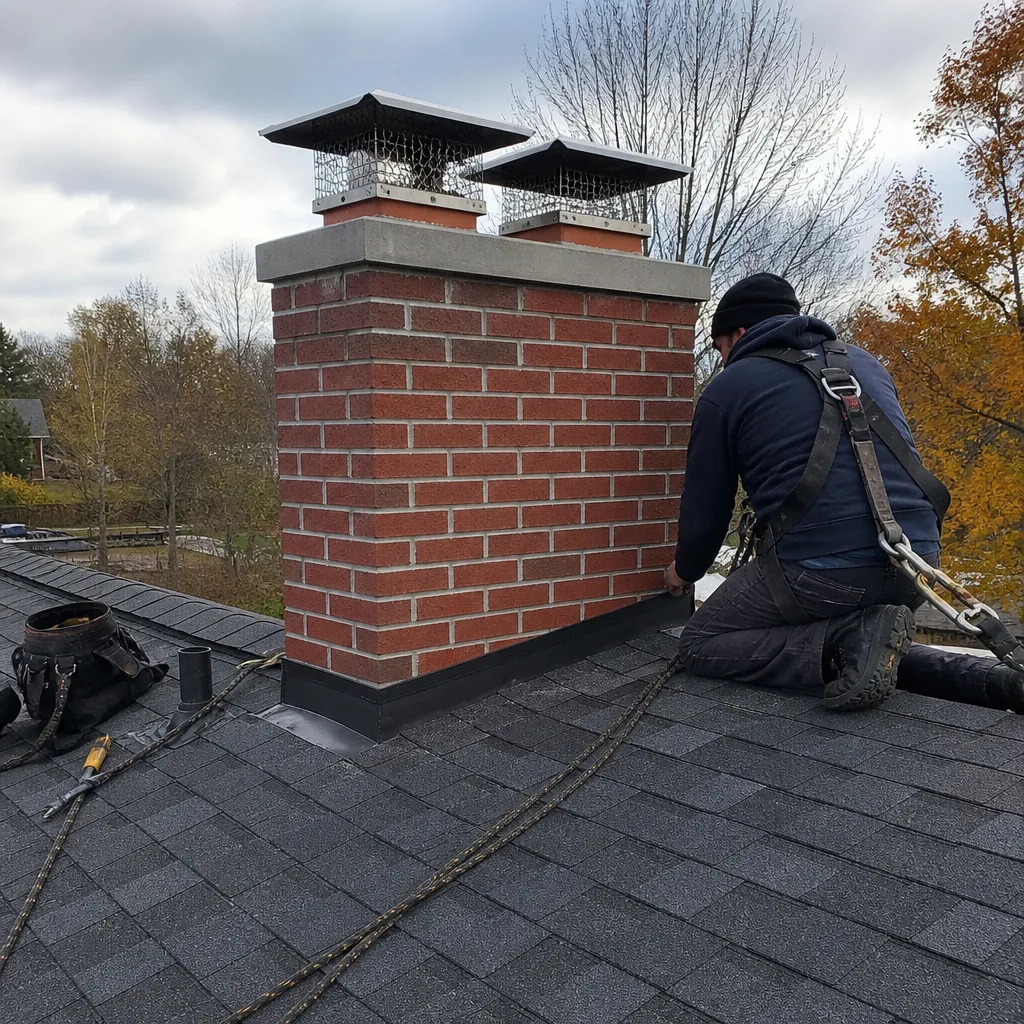
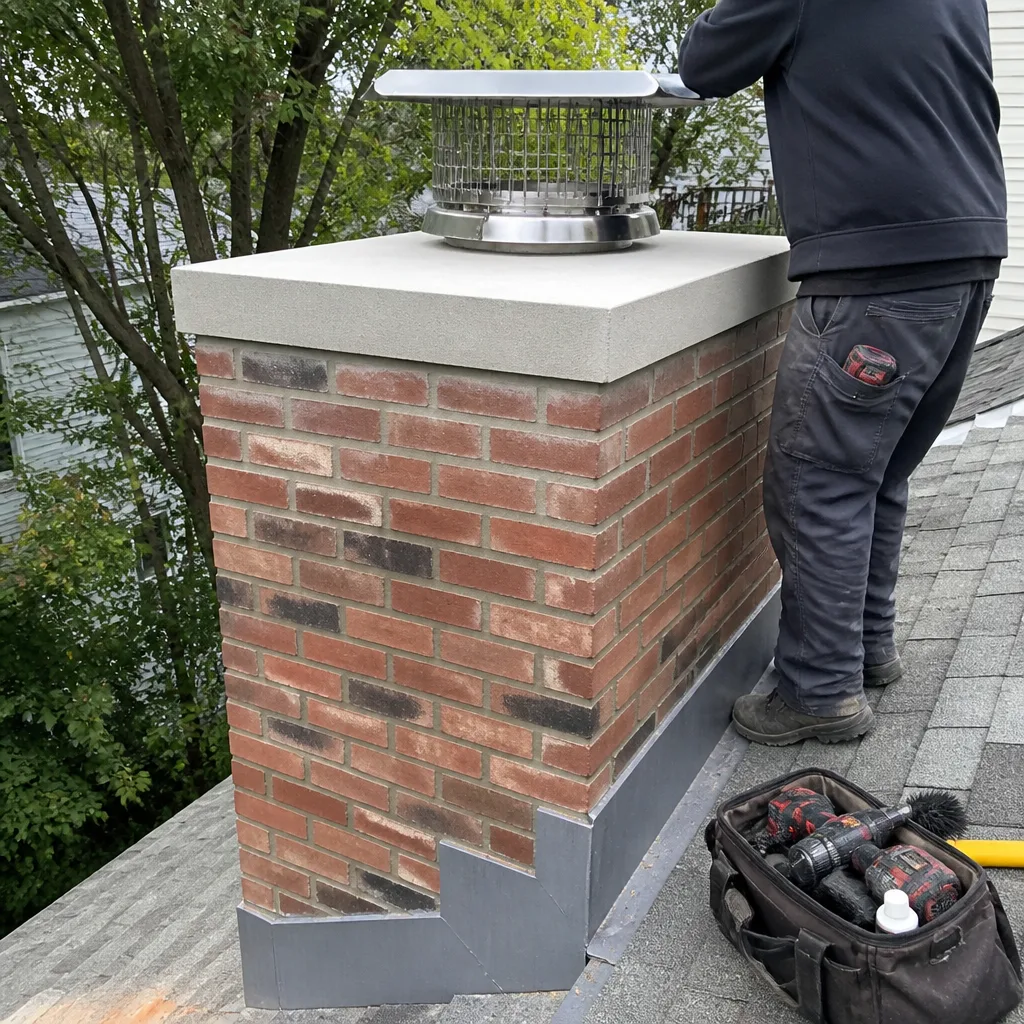
Level 1 sweep and inspection to the NFPA 211 annual standard - flue, crown, cap, and flashing checked and photographed
Chimney sweep logs do not sweep chimneys. They loosen some creosote - which then falls where a brush and vacuum still have to collect it.
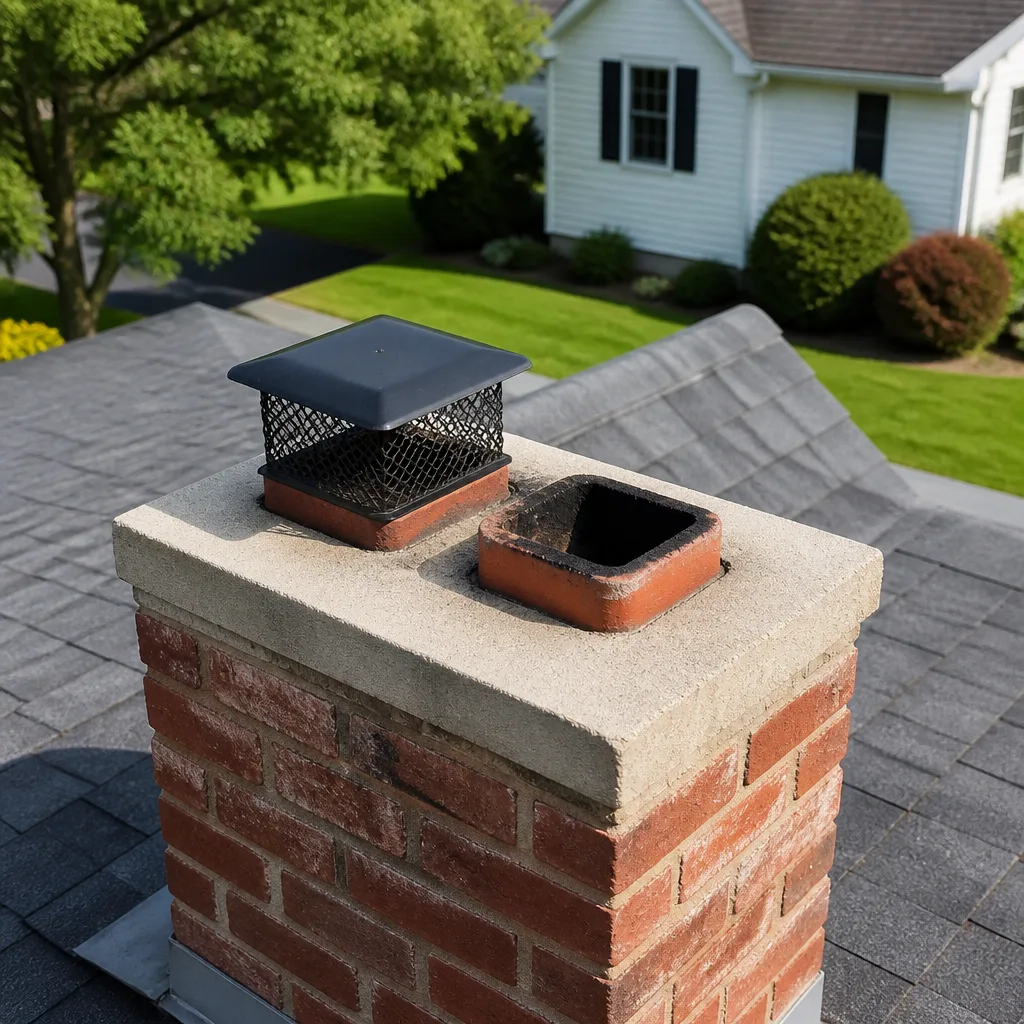
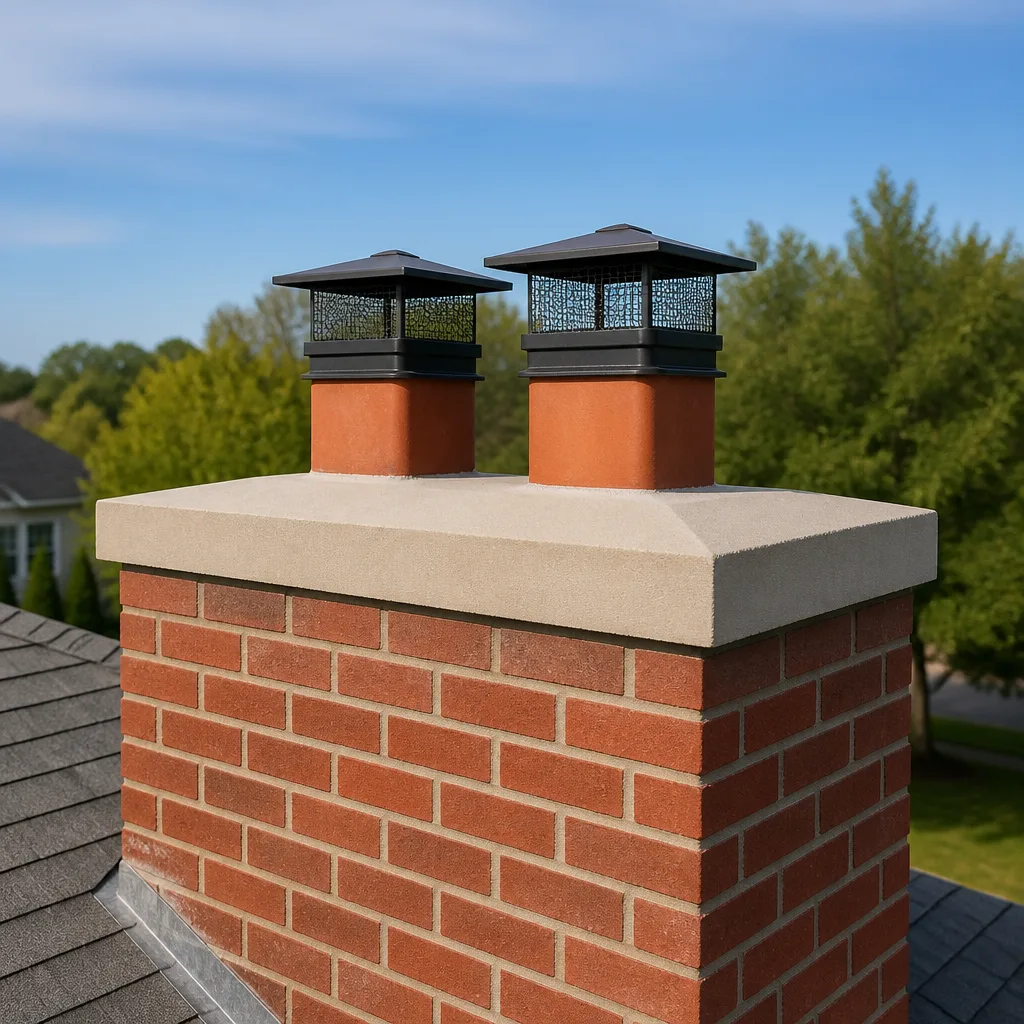
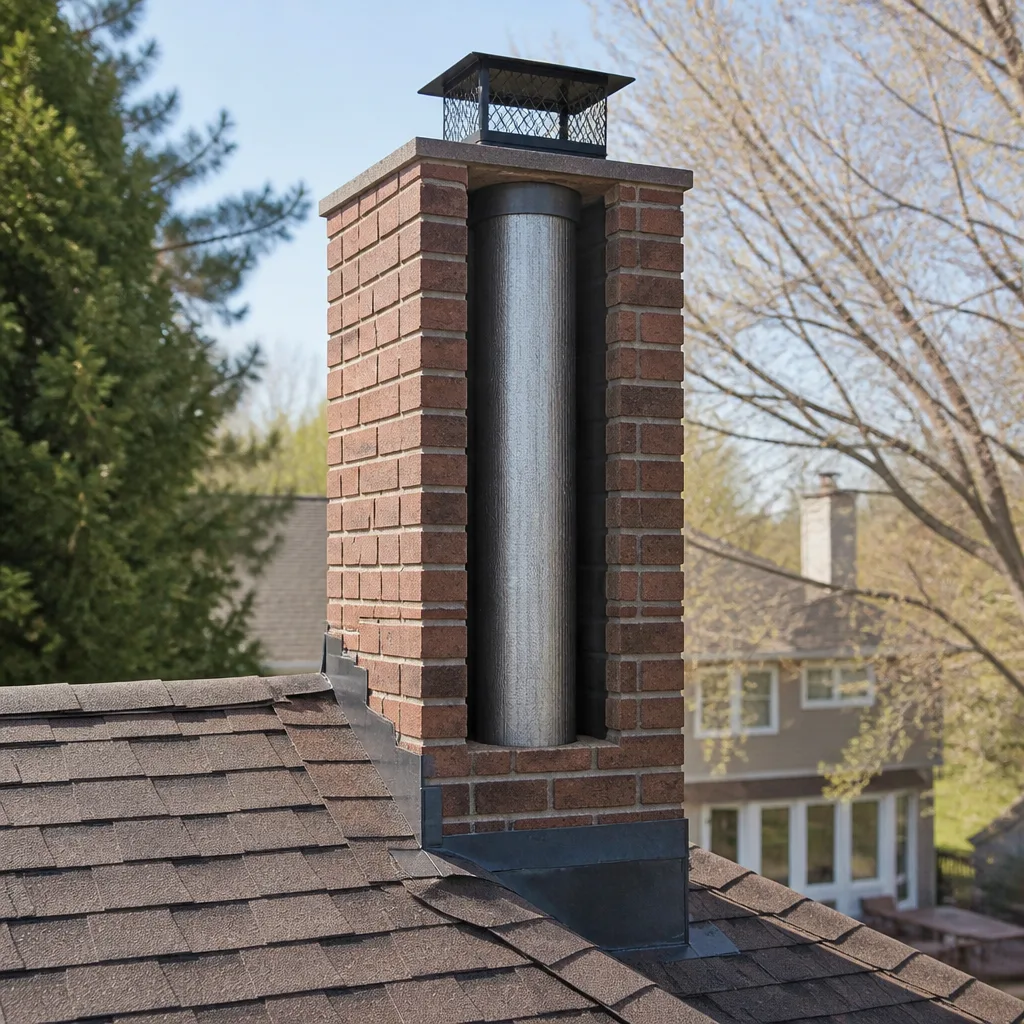
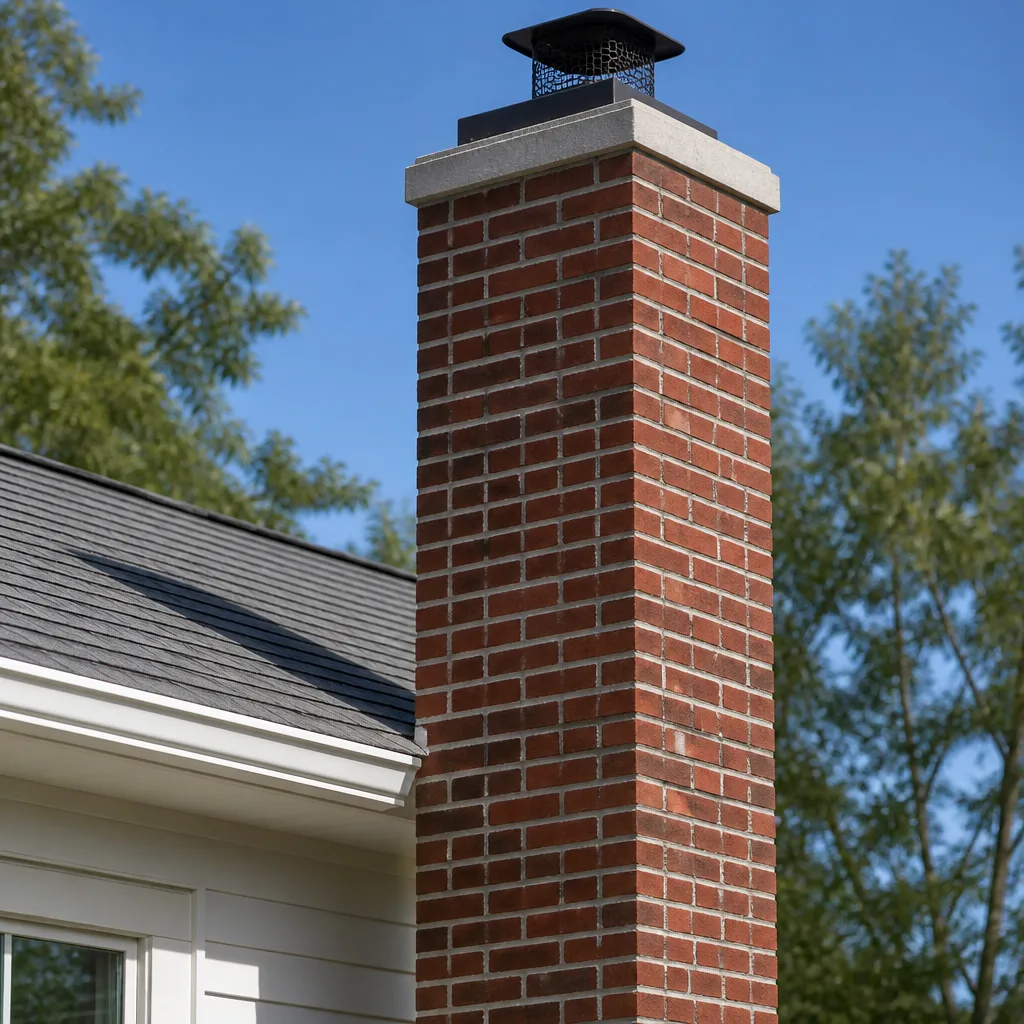
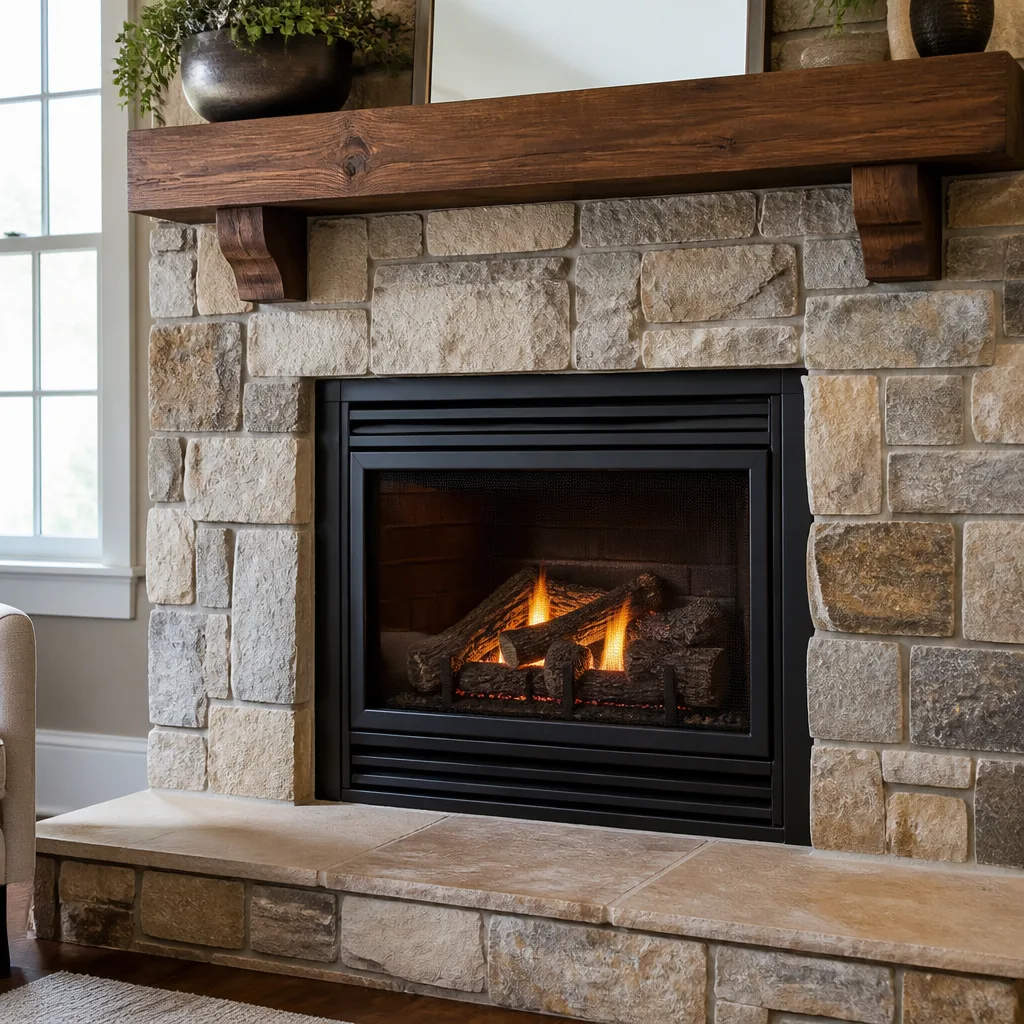
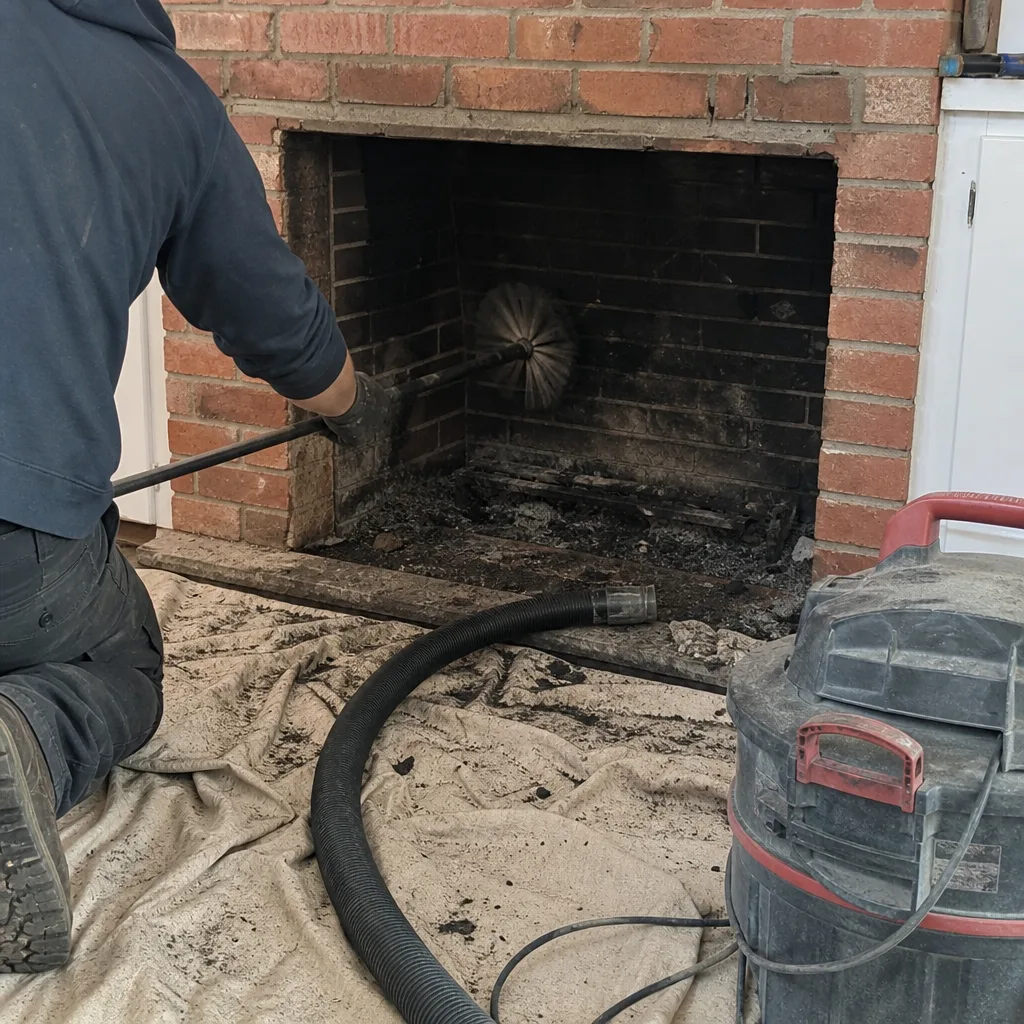 Before
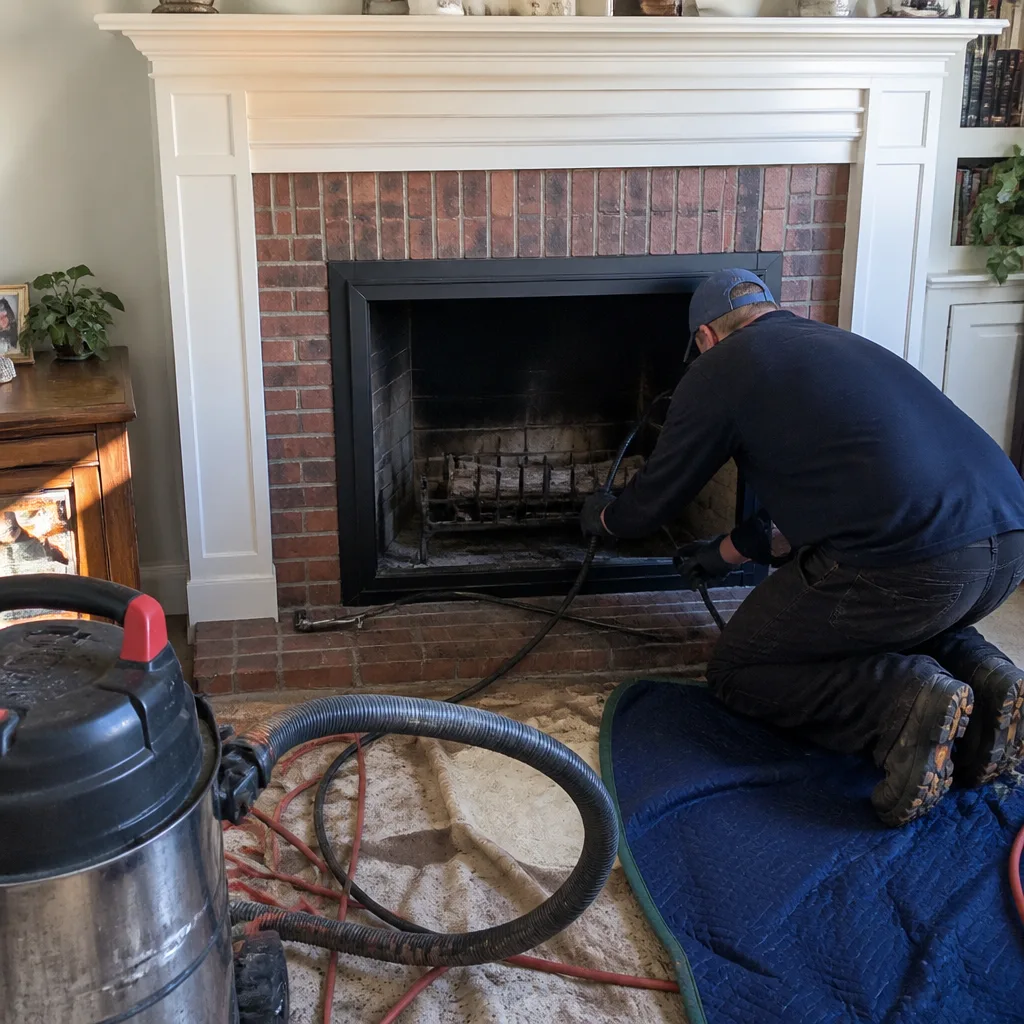 After
After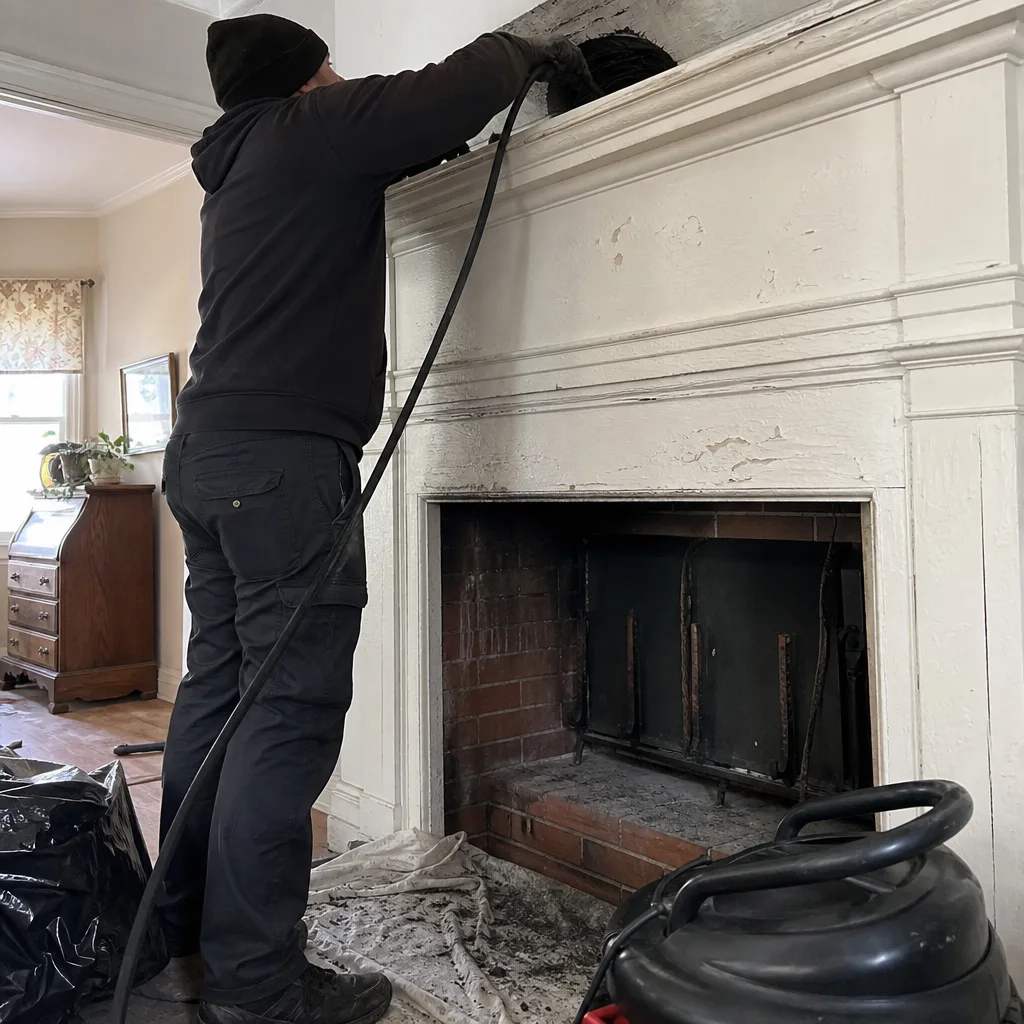 Before
 After
After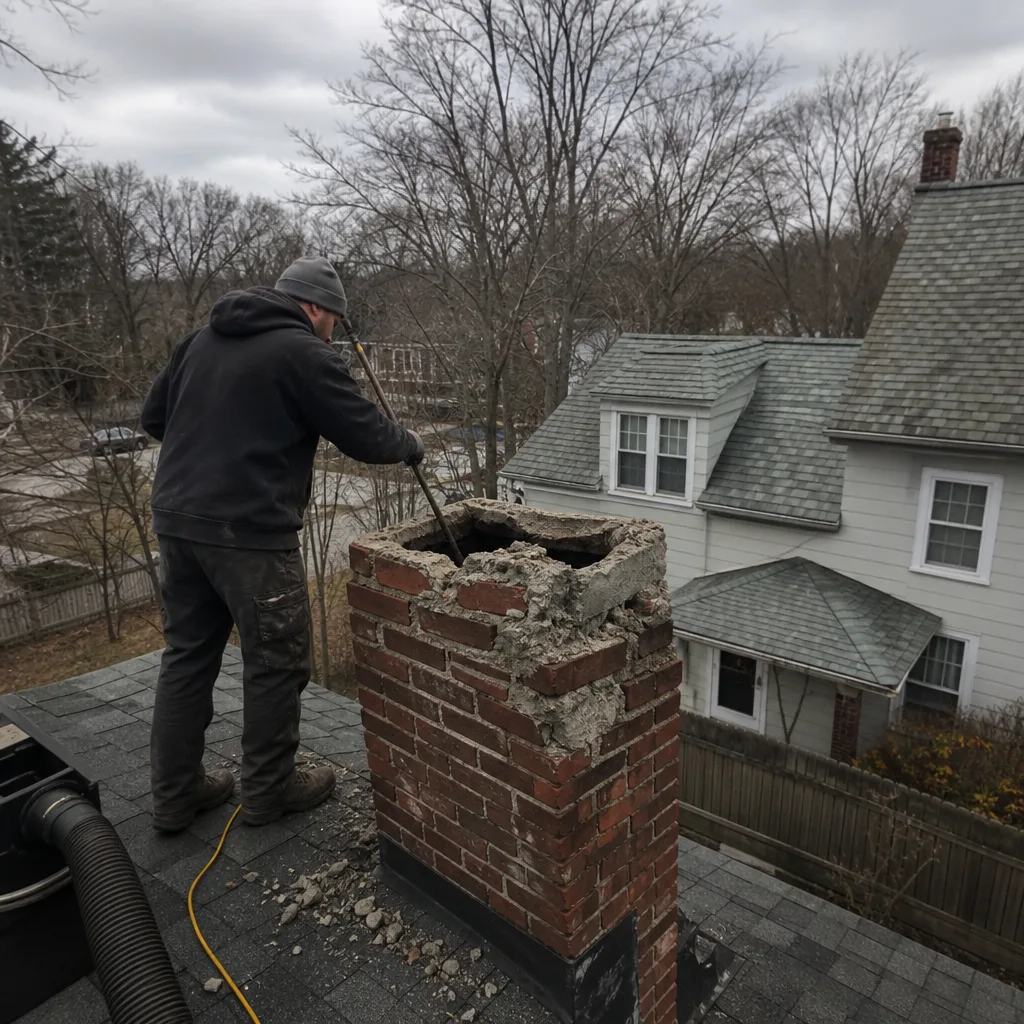 Before
 After
AfterCreosote Removal in Newton, MA
Creosote removal is the process of stripping hardened, flammable deposits from the inside of your chimney flue – deposits that form every time wood burns and that, left alone, become the leading cause of chimney fires in Newton and across Middlesex County. At Hearthstone Chimney Co., we’ve been providing Chimney Cleaning & Sweep services since 1984, and we treat a heavily creeosoted flue the same way we’ve treated every job for over 42 years: document what’s there, explain what it means in plain English, and fix it right the first time.
If you’re smelling something acrid when the fireplace is cold, noticing a dark glazed coating on your damper, or haven’t had a sweep in more than two seasons, creosote buildup is the most likely culprit. Call us at (857) 754-5607 – a live person picks up every time, day or night – and we’ll schedule an inspection that gives you a clear picture before any work begins. Our Chimney Cleaning & Sweep in Newton service covers routine maintenance; this page covers what happens when buildup has progressed past routine cleaning.
Newton’s older housing stock – the Victorians in Newtonville, the colonials along Chestnut Street in Waban, the center-chimney homes near the Newton Centre green – means we regularly work with flues that were built for coal or multi-cord wood seasons and are now used occasionally with softwood or artificial logs. That combination accelerates third-degree glazed creosote faster than most homeowners expect.
When You Need Creosote Removal
- You can see a shiny, tar-like coating on your damper or smoke shelf. Glazed (Stage 3) creosote looks like black lacquer and is dense enough that standard brushing won’t touch it. This is the stage that ignites at temperatures your flue reaches during a normal fire.
- There’s a persistent smoky or acrid odor in the house, even when the fireplace hasn’t been used recently. In Newton, this tends to get worse in humid summers – the moisture in the air activates creosote oils and drives the smell back into the living space through the damper.
- Your last inspection flagged heavy buildup or a restricted flue opening. If a sweep told you there was more than an eighth of an inch of Stage 2 buildup, that already meets the threshold where the National Fire Protection Association (NFPA 211) calls for removal before further use.
- You’ve switched fuels or burning habits. Homeowners in Newton’s cooler microclimates – particularly those in the hillside neighborhoods above Route 9 – often run fires at low smolder to stretch heat overnight. Slow, smoldering fires are the single biggest driver of rapid creosote accumulation.
- You’ve had a chimney fire, even a small one. A flue fire – sometimes nothing more than a roaring sound and a very hot exterior – can bake light creosote deposits into the hard, glazed form that’s far harder to remove. Any suspected chimney fire warrants a Level 2 camera inspection before the fireplace is used again.
- There are dark streaks or staining on the exterior of the chimney or the firebox ceiling. This often means combustion gases carrying creosote particulates are finding paths out of the flue other than the intended draft – a sign of both buildup and possible liner damage.
Our Creosote Removal Process
-
Pre-job Level 2 Camera Inspection
Before any chemical or mechanical treatment, our technician runs a camera through the full length of the flue. You see the same feed we see. We’re looking at the stage and distribution of creosote, the condition of the liner, and whether there are any cracks or gaps that would affect how we approach removal. We document everything with photos and give you a plain-English verdict – not a vague “needs attention” note, but a specific description of what is there and what it means. -
Protective Setup Inside the Home
Our technicians lay drop cloths, seal the firebox opening with a work barrier, and set up a HEPA-filtered vacuum system before any brushing or chemical application begins. Newton homes – especially those with original hardwood floors and plaster walls in the firebox room – don’t need creosote dust or loose debris scattered through the living space. We treat your home the way we’d want our own treated. -
Chemical Conditioning (Stage 2 and Stage 3 Deposits)
For moderate to heavy buildup, we apply a professional-grade creosote conditioning agent – a dry chemical treatment that converts the dense, glazed deposits into a more brittle, removable form. This is not a consumer-grade spray; it’s the same class of product used by CSIA-certified sweeps across the country. For Stage 3 glazed creosote, this step is essential before any mechanical brushing; trying to brush glazed deposits without conditioning first does very little and risks liner damage. -
Mechanical Brushing and Rotary Cleaning
After the conditioning agent has had adequate dwell time, we work through the flue mechanically – wire brushes sized to your liner diameter, rotary systems where the geometry warrants, and hand tools for the smoke chamber and smoke shelf. The smoke shelf, in particular, holds a surprising amount of creosote in Newton homes because it’s rarely cleaned by sweeps who rush the job. We don’t skip it. -
Debris Removal and Flue Vacuum
Everything that comes off the flue walls is captured at the firebox and vacuumed out with HEPA filtration. We do a second pass with the camera to confirm the flue is clear and that no sections of loose liner material were disturbed in the process. -
Post-Job Report and Next Steps
You get a written summary: what we found, what we did, and whether anything warrants follow-up – liner repair, a HeatShield resurfacing application if the clay tile shows heat stress, or just a note to schedule your next annual sweep. No vague “looks good” at the door. The 90-Day Done Right Promise covers every creosote removal job in writing – if something isn’t right, we come back, no arguing, no paperwork marathon.
Creosote Removal Pricing in Newton
Creosote removal in Newton typically runs between $250 and $900, depending on the stage and extent of buildup, the liner material, and how accessible the flue is. Standard annual sweeping – where buildup is light and Stage 1 – sits at the lower end. Stage 3 glazed creosote requiring chemical conditioning and multiple mechanical passes is on the higher end. The table below gives honest ranges for what we see most often in Newton homes.
| Creosote Stage | Typical Condition | Estimated Cost Range |
|---|---|---|
| Stage 1 (Flaky/Sooty) | Light buildup, removed with standard brushing during annual sweep | Included in standard sweep |
| Stage 2 (Tar-Like, Crunchy) | Heavier deposits, may require conditioning agent and extended cleaning | $250 – $500 |
| Stage 3 (Glazed/Hardened) | Dense lacquer-like coating, requires chemical conditioning and multiple cleaning passes | $500 – $900+ |
| Smoke Shelf Deep Clean (add-on) | Isolated heavy accumulation at the smoke shelf | $75 – $150 |
A few things affect where your job lands in those ranges. Chimney height matters – a two-story Newton colonial with a full-height flue takes longer to clean than a single-story ranch. Liner material matters too: original clay tile liners in older Newton homes are more delicate and require careful technique around any pre-existing cracks. And the age of the deposit matters – creosote that has been baking on a clay liner through twenty New England winters is harder to remove than a deposit that formed in the past two or three seasons.
Our $50 Off Any Repair Over $250 offer applies to qualifying creosote removal jobs. Senior and veteran homeowners receive a permanent 5% discount on every visit – no forms, no expiration. The number on your estimate is the number on your invoice; upfront pricing means no surprises at the end.
Call (857) 754-5607 for a free estimate. We’ll give you a specific number before we start, not a range we adjust after the job is done.
What Hearthstone Chimney Co. Brings to This Work
Russell Haines founded Hearthstone Chimney Co. in 1984, and the company has been answering the phone with a live person in the greater Boston area ever since. Over 42 years, we’ve cleaned and inspected thousands of flues across Newton – in the Victorians on Walnut Street, the mid-century ranches in Auburndale, the Federal-style colonials near Newton Highlands station. Creosote doesn’t surprise us. What we see in Stage 3 situations is almost always predictable once you understand the burning habits and flue geometry involved, and we explain all of it in plain English before we quote a price.
We work with professional-grade materials. Where liner repair or resurfacing is needed after heavy creosote removal, we use HeatShield and Olympia Chimney products – not builder-grade substitutes. The camera we use for pre- and post-job inspection gives you actual images, not a verbal description, so you can see exactly what your flue looks like before and after the work.
Our technicians are background-checked, arrive in uniform, and complete most creosote removal jobs in a single visit. We’re not a one-truck operator who disappears after cashing the check, and we’re not a national chain that sends a different crew every time and handles disputes through a call center. Russell Haines’s name is on the truck and on the guarantee. The 90-Day Done Right Promise is in writing, with no arguing – if we missed something or the job wasn’t done right, we come back and fix it. That’s the whole policy.
Hearthstone is part of the Hearthstone Chimney Co. home of services covering chimney cleaning, repair, liner work, and fireplace maintenance across Newton and surrounding communities. When you call about creosote, you’re calling a company that has seen this particular problem in this particular city long enough to know exactly what it takes to solve it.
FAQs – Creosote Removal
How much does creosote removal cost in Newton, MA?
Creosote removal in Newton runs from roughly $250 for Stage 2 buildup up to $900 or more for Stage 3 glazed deposits that require chemical conditioning and multiple cleaning passes. Stage 1 buildup – the light, flaky kind – is typically handled as part of a standard Fireplace Cleaning and annual sweep at no additional charge. The exact cost depends on your chimney’s height, liner condition, and how long the deposit has been accumulating. Call (857) 754-5607 for a free estimate; we’ll give you a specific number after we see the flue, not a guess over the phone.
Is Stage 3 glazed creosote dangerous, and can you remove it yourself?
Stage 3 glazed creosote is the most serious form – it’s dense, highly flammable, and ignites at temperatures a normal wood fire reaches routinely. It cannot be removed with standard brushing alone, and consumer-grade sprays are not strong enough to condition hardened glazed deposits adequately. More to the point, attempting to mechanically scrub glazed creosote from a clay tile liner without knowing where cracks exist is a real way to damage a flue that was serviceable before you started. This is work that warrants a trained professional with a camera and often a Level 2 Inspection – not because we’re trying to sell a service, but because an improperly cleaned Stage 3 flue that looks clean and isn’t is more dangerous than one that’s visibly dirty and unused.
How often should a Newton homeowner have creosote removed?
The NFPA recommends a Level 1 Inspection annually for any chimney that sees regular use, with cleaning whenever buildup reaches an eighth of an inch or more. In Newton, homeowners who burn through even two or three cords of wood per season – or who run low, smoldering fires for extended periods – typically need a full cleaning every year. Those who burn infrequently may go two seasons before buildup reaches the cleaning threshold. The only way to know where you stand is a camera inspection; don’t guess based on how the fireplace looks from the hearth.
Will creosote removal fix the smoky smell in my Newton home?
In most cases, yes. The oily compounds in creosote are the primary source of the acrid, smoky odor that penetrates living spaces – especially in summer when Newton’s humidity activates those oils. Removing the deposit addresses the source. That said, if there are liner gaps or cap problems allowing outside air to push flue gases downward, the smell can persist even after a thorough cleaning. Our post-job inspection catches those secondary causes, and we’ll tell you plainly what we found and what it would take to fix it.
Written by Russell Haines, Owner at Hearthstone Chimney Co., serving Newton since 1984.